
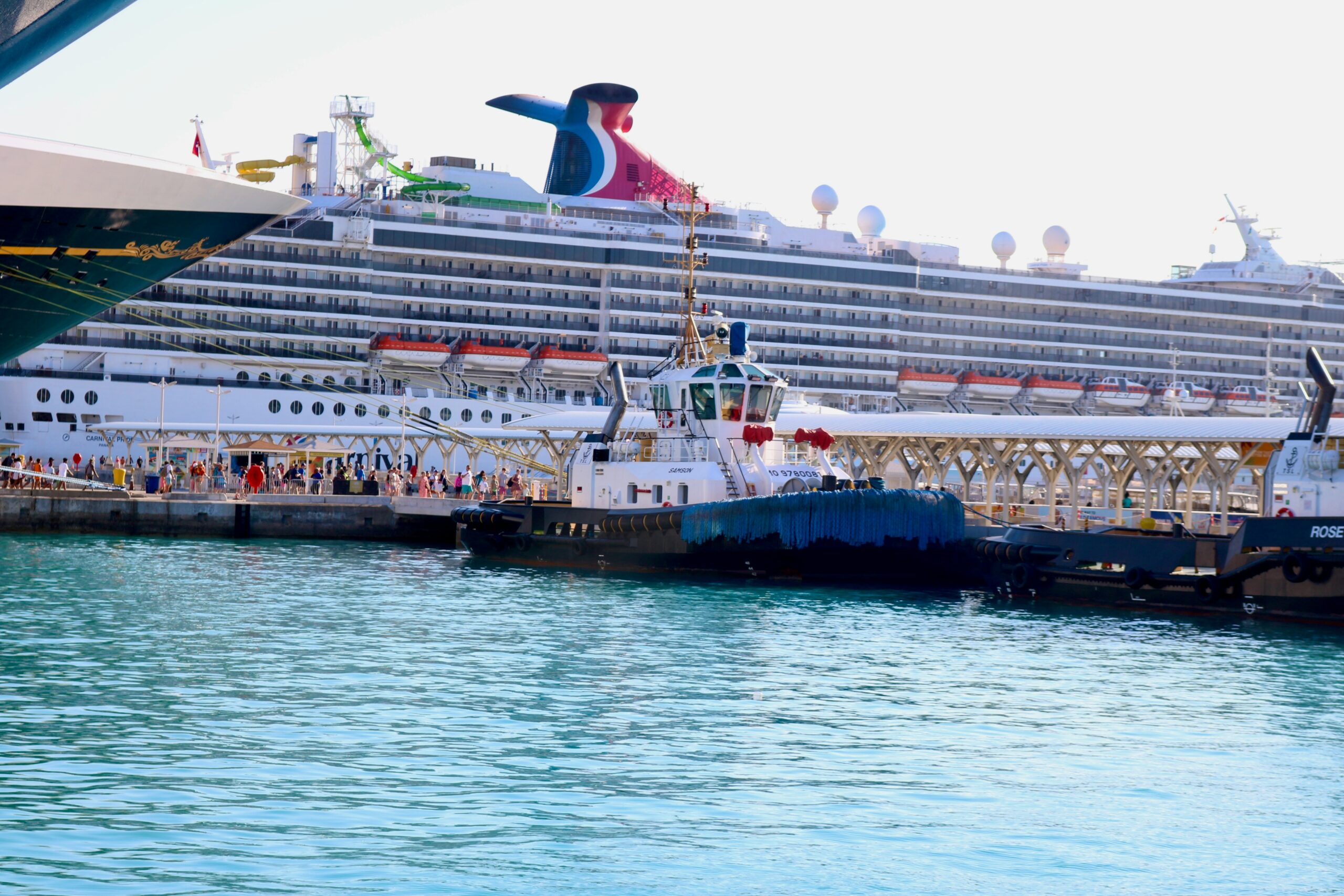
Waking up in a new location every morning while your hotel travels with you across the waves is a unique, thrilling experience. While the scale of the modern cruise industry might feel daunting, the reality of life at sea offers a level of relaxation that few land-based holidays can match.
You can trade the stress of navigating airports and transfers for the gentle hum of the ocean and world-class service. Planning a cruise may seem complicated, especially if it’s your first time, but with a few simple tricks, it doesn’t have to be.
Start Closer to Home
Selecting your starting point dictates the entire rhythm of your holiday. While flying to a Mediterranean or Caribbean hub offers instant sunshine, many first-time sailors prefer the simplicity of sailing directly from the UK.
You can avoid the restrictions of airline luggage weights and the chaos of security queues by looking into cruises from Southampton, which are favoured for efficient passenger handling and state-of-the-art terminals.
To secure the best experience, check the cruise line’s specific terminal assignment at the port before you set off so you can drive straight to the correct baggage drop-off zone.
Secure Specialist Protection
Standard holiday insurance often lacks the specific clauses required for life on the water, so you must verify that your policy explicitly mentions cruise cover.
This specialised insurance protects your budget if the ship has to bypass a scheduled port due to weather or if the medical team requires you to remain in your cabin for health reasons. You should purchase this coverage the moment you pay your initial deposit to protect against unforeseen cancellations.
Remember that a Global Health Insurance Card (GHIC) only applies to land-based state healthcare and provides no support for private medical costs incurred while the ship is in international waters.
Tailor the Journey to Your Lifestyle
The success of your trip depends heavily on matching the ship’s personality and route to your daily habits, as well as your groups needs and wants.
Families may prefer high-energy vessels that feature multiple different kids’ clubs and climbing walls, whereas those seeking tranquillity and relaxation might prefer an adult only ship/itinerary that prioritise quiet deck spaces and sophisticated dining.
Explore the Floating City
The best modern cruise vessels function as self-contained resorts where the amenities often rival the destinations themselves. You will find that most packages include multi-course meals in the main dining rooms and buffet access, though you can also book speciality restaurants for a more intimate culinary experience.
Beyond the food, many ships house full-scale Broadway theatres, luxury spas, and even duty-free shopping malls to keep you occupied during days spent at sea.