
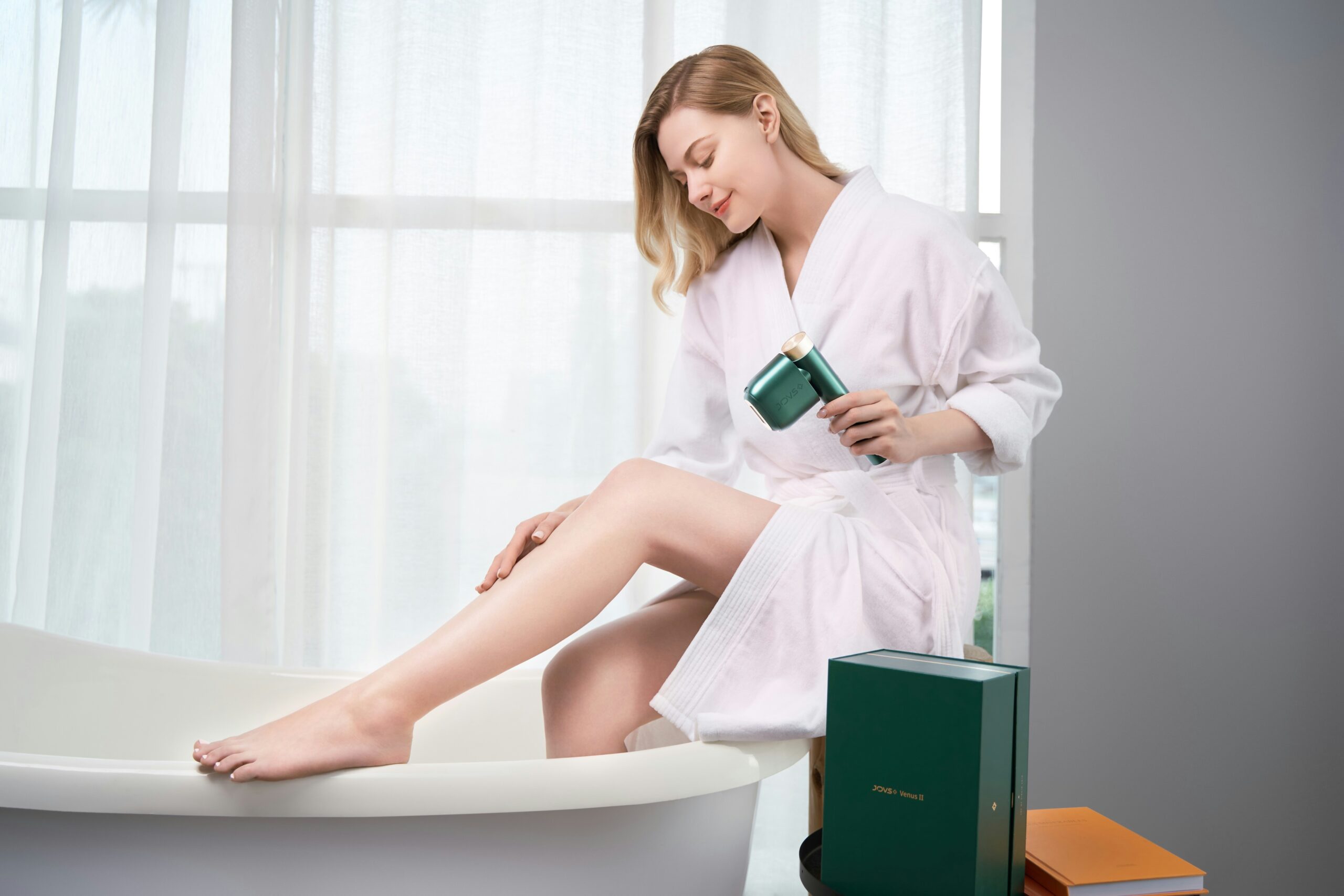
The at-home hair removal market hit $1.16 billion in 2024, and it’s not slowing down. By 2034, experts predict it’ll reach $1.69 billion—a clear sign that people are ditching expensive salon appointments for DIY solutions that actually work.
Here’s the thing most people don’t realize: you don’t need a license or years of training to get salon-quality results at home. You just need the right tools and a basic understanding of what you’re doing.
This guide breaks down everything about professional hard wax kits—why they’re different from cheap drugstore options, how to use them without the mess and pain, and why over 65% of consumers now prioritize time-saving beauty solutions over traditional salon visits.
The Shift to At-Home Hair Removal
Post-pandemic, something shifted. People got used to handling their own beauty routines, and many discovered they preferred it that way. Privacy, convenience, cost savings—the benefits stack up quickly.
North America and Europe lead the market, but Asia-Pacific is growing faster than anywhere else. Countries like India and Brazil are seeing growth rates above 12% annually. The common thread? People want control over their hair removal schedules without blocking out half a Saturday for salon appointments.
Online sales now account for over 60% of the market. Millennials and Gen Z drive most of this growth, but there’s been an unexpected twist: male users are adopting at-home solutions at increasing rates, particularly for body grooming.
Hard Wax vs. Everything Else
Not all wax is created equal. Walk into any drugstore and you’ll see rows of hair removal products—strips, razors, creams, soft wax. Most of them share the same problems: irritation, ingrown hairs, results that barely last a week.
Professional hard wax works differently. Instead of sticking to your skin like soft wax strips, it only grabs the hair. That means less pain, less redness, and way better results on sensitive areas.
The science backs this up. Hard wax hardens as it cools, shrink-wrapping around each hair shaft. When you pull it off, it takes the hair from the root without yanking on the surrounding skin. Soft wax strips, by contrast, adhere to both skin and hair—which is why they hurt more and cause more irritation.
Modern professional kits at Tress Wellness have refined this process even further. Natural ingredients like olive oil and jojoba oil condition skin during removal, reducing inflammation and leaving skin smoother than methods that rely on synthetic adhesives.
The Real Cost of Hair Removal
A single Brazilian wax costs anywhere from $50 to $120, depending on where you live. Do that every four weeks for a year, and you’re looking at $600 to $1,440 annually. Keep that up for five years, and the numbers get uncomfortable fast.
High-quality professional hard wax kits run between $40 and $60 upfront. The wax beads are reusable—one bag typically lasts 15-20 full-body sessions. That’s roughly $2-3 per session compared to triple-digit salon visits.
The math gets better over time. After the initial kit purchase, you’re only buying refill wax beads, which cost around $20 and last months. No tipping, no scheduling hassles, no commute time.
Getting Started: Your First Wax
The thought of waxing yourself probably seems intimidating. Everyone’s first question is the same: “Will it hurt?” The honest answer is yes, but not nearly as much as you’re imagining—especially with proper prep and technique.
Start by exfoliating 24-48 hours before waxing. Dead skin cells can trap hair and cause breakage instead of clean removal. Use a gentle scrub or dry brush, but don’t overdo it. Your skin needs to be healthy, not irritated.
Hair length matters more than most beginners realize. Too short, and the wax won’t grip properly. Too long, and removal gets unnecessarily painful. The sweet spot is about 1/4 inch—roughly the length of a grain of rice. If you’ve been shaving, wait 2-4 weeks to let hair reach this length.
On waxing day, skip the moisturizers and oils. Clean, dry skin lets wax adhere properly to hair without slipping. Some people use a light dusting of talc-free powder, but it’s not essential if your skin is properly prepped.
Technique That Actually Works
Heat your wax to the right temperature—warm enough to flow smoothly but not so hot it burns. Most digital warmers maintain consistent heat around 105-115°F. Test a small amount on your inner wrist before applying to larger areas.
Apply wax in the direction of hair growth. This seems backwards to people used to razors, but it’s crucial. The wax needs to coat each hair shaft completely, which only happens when you follow the natural growth pattern.
Let the wax cool for 30-45 seconds until it’s pliable but not sticky. It should feel like warm rubber when you touch it. Grab one edge and pull against the direction of growth in one quick motion—parallel to your skin, not straight up.
Start with easier areas like legs or arms while you’re learning. Save sensitive spots like the bikini area for when you’ve got a few sessions under your belt. The technique is the same, but confidence makes a massive difference in sensitive areas.
What Nobody Tells You About Post-Wax Care
The 24-48 hours after waxing determine whether you get smooth, glowing skin or a constellation of ingrown hairs. This window matters more than the waxing itself.
Skip the gym, hot showers, and saunas for at least 24 hours. Your pores are open and vulnerable to bacteria. Sweating or soaking introduces infection risks that lead to those painful red bumps everyone complains about.
Tight clothing creates friction against freshly waxed skin. Stick to loose, breathable fabrics for the first day or two. Your skin needs air circulation to heal properly.
Sun exposure is another common mistake. Freshly waxed skin is more susceptible to UV damage and hyperpigmentation. If you must be outside, use SPF 30 minimum and reapply frequently.
After 48 hours, start gentle exfoliation every 2-3 days. This prevents dead skin from trapping new hair growth under the surface. A soft cloth or chemical exfoliant works better than harsh scrubs.
Common Mistakes That Kill Results
The biggest myth about at-home waxing is that it can’t match professional results. Studies on advanced at-home hair removal methods show up to 90% effectiveness when done correctly—comparable to salon treatments.
The difference isn’t capability. It’s technique and consistency.
Many people give up after one painful attempt with the wrong products. Cheap soft wax strips from the drugstore aren’t comparable to professional hard wax formulas. It’s like comparing a disposable razor to a precision blade—technically the same category, completely different experience.
Another misconception is that all body areas require the same approach. The bikini zone has different hair growth patterns and skin sensitivity than legs. Underarms need smaller application sections than thighs. Recognizing these differences prevents most beginner frustrations.
Temperature control trips up a lot of first-timers. Wax that’s too hot causes burns and skin damage. Too cool, and it won’t remove hair effectively. Digital warmers solve this problem by maintaining optimal temperature automatically—worth the upgrade if you’re waxing regularly.
Why Hard Wax Wins for Sensitive Areas
Bikini and Brazilian waxing represent one of the fastest-growing segments in hair removal, with a projected CAGR of 12.45%. That growth isn’t happening in salons—it’s happening in bathrooms.
Privacy drives much of this trend. Intimate grooming preferences are personal, and many people prefer handling it themselves rather than booking appointments with strangers.
Hard wax’s gentler pull makes this possible. Traditional strip wax on sensitive areas often causes bleeding, severe redness, and enough pain to discourage repeat attempts. Hard wax minimizes trauma because it doesn’t adhere to skin—only hair.
Dermatologically tested formulas designed for all skin types, including sensitive skin, have made this accessible to people who previously couldn’t tolerate hair removal. Natural ingredients like those in professional kits reduce allergic reactions compared to synthetic alternatives.
Building Your Routine
Consistency beats perfection. Your first few sessions won’t be flawless, and that’s completely normal. Hair grows in cycles, so you’ll notice different amounts each time you wax.
Most people settle into a routine every 3-4 weeks. This timing allows hair to reach optimal length while maintaining smooth skin most of the month. Unlike razors that need daily or every-other-day use, waxing gives you actual breaks between sessions.
Track your schedule with a simple calendar note or app. Some professional kits include scheduling tools—Tress Wellness offers the WaxPal app specifically for this purpose.
As you gain experience, sessions get faster. What takes 45 minutes initially might only take 15-20 minutes once you’ve refined your technique. The learning curve is real, but it’s shorter than most people expect.
The Bottom Line
At-home hair removal isn’t a compromise anymore. With professional-grade tools and proper technique, results rival any salon at a fraction of the cost and time investment.
The market growth tells the real story. People aren’t switching to at-home solutions because salons are unavailable—they’re switching because home methods actually work. Over 34,000 verified reviews on professional hard wax kits prove that when you give people the right tools, they succeed.
Whether you’re motivated by cost savings, convenience, privacy, or simple curiosity, professional hard wax kits offer a legitimate alternative to endless salon appointments. The initial learning curve pays dividends in long-term results, money saved, and control over your own routine.
Start with one area. Master the basics. Build from there. Most people who stick with it wonder why they didn’t switch years earlier.