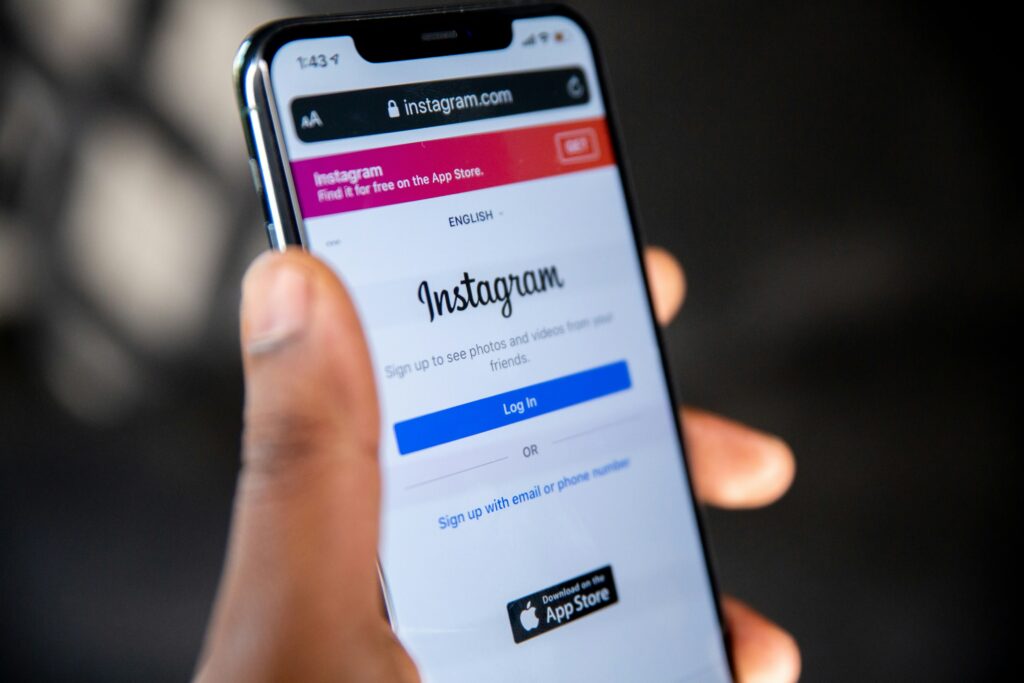

If you’d asked me two years ago whether I’d ever put a “monitoring app” on my kids’ phones, I probably would have laughed. It felt a bit much — like something out of a spy movie, not something a normal family does. But then Kai got his first phone for secondary school, and within a few months I realised how little I actually knew about what he was doing on it. Not because he was hiding anything sneaky, just because… phones are a black box unless you make an effort to understand them. That’s when Dann and I started properly looking into parental control apps, and honestly, it changed how relaxed we feel about the whole thing.
Continue reading “Why We Finally Tried a Parental Control App”