
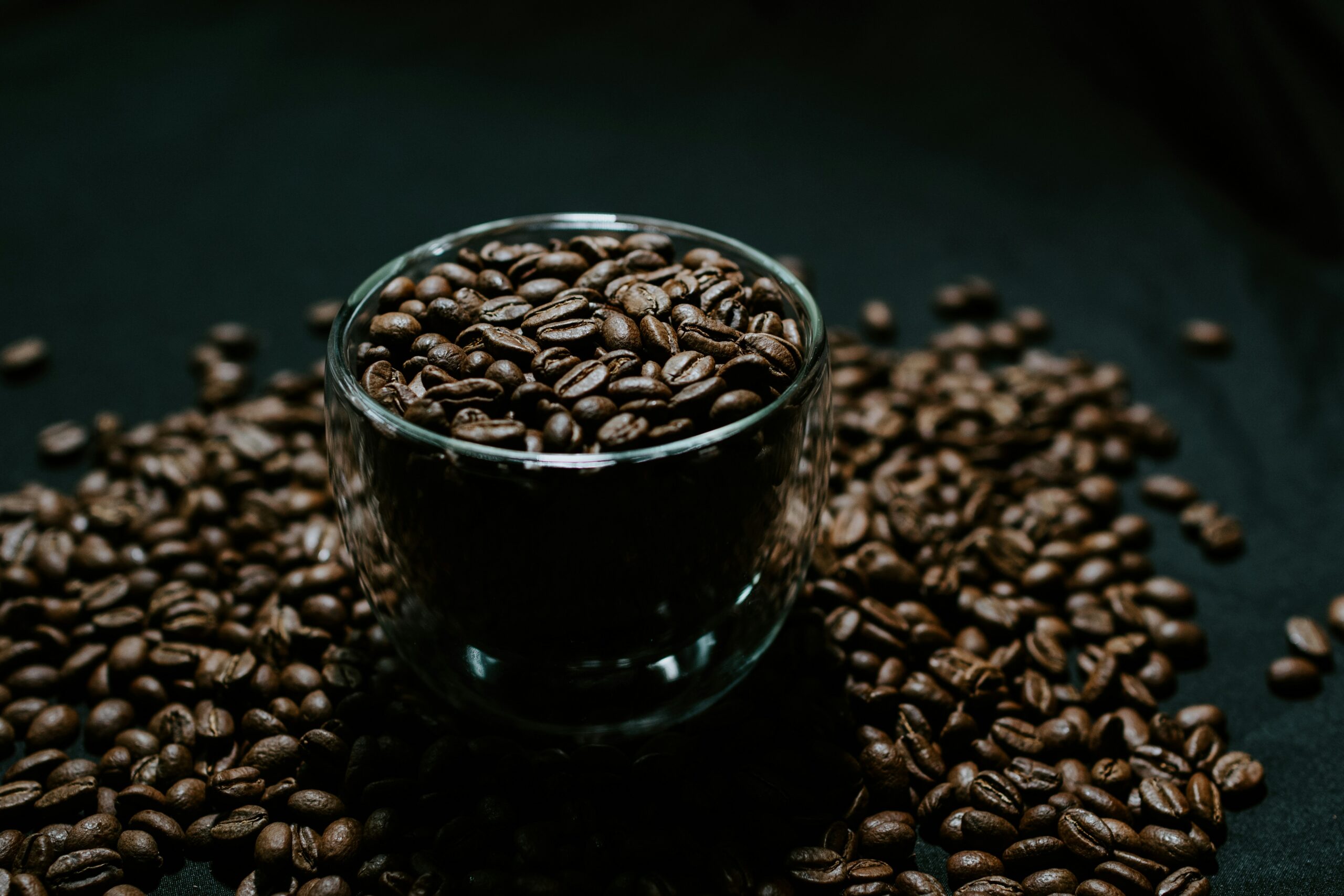
The ritual of morning coffee represents more than simple caffeine delivery for millions of people—it’s a sensory experience that sets the tone for the entire day. Yet many coffee enthusiasts unknowingly compromise this experience by using pre-ground coffee or beans stored improperly, allowing the complex flavours and aromas that define exceptional coffee to dissipate long before brewing. Understanding how freshness, grinding, and storage impact coffee quality transforms ordinary cups into extraordinary experiences that justify the care and attention dedicated coffee lovers invest. Whether you’re refining your home brewing technique or simply seeking to understand why café coffee often tastes superior to home-brewed versions, grasping these fundamental principles about coffee freshness and preparation elevates your daily ritual from functional routine into genuine pleasure that rewards the senses.
Understanding Coffee Freshness and Deterioration
The Chemistry of Coffee Degradation
Coffee beans begin deteriorating immediately after roasting as volatile aromatic compounds that create coffee’s distinctive flavours escape and oxidise. This process accelerates dramatically once beans are ground, as dramatically increased surface area exposure to oxygen hastens flavour compound breakdown. Pre-ground coffee, even when packaged carefully, loses significant aromatic complexity within days of grinding, explaining why freshly ground beans deliver noticeably superior flavour compared to pre-ground alternatives purchased weeks earlier.
Exposure to air, light, heat, and moisture all accelerate coffee degradation through oxidation and staling processes. Whole beans maintain protective outer layers that slow these processes, whilst ground coffee’s fragmented structure offers no such protection. This fundamental difference means whole beans stored properly retain quality for weeks, whilst ground coffee’s peak flavour lasts merely days under ideal conditions and hours in typical home storage situations.
The Aromatic Compounds That Define Quality
Coffee contains over 800 aromatic compounds contributing to its complex flavour profile—more than wine possesses. These delicate compounds include light, volatile oils that evaporate rapidly once exposed, taking with them the bright, nuanced flavours that distinguish exceptional coffee from mediocre versions. The difference between freshly roasted beans ground immediately before brewing versus pre-ground coffee stored for weeks proves immediately apparent to anyone conducting side-by-side comparisons.
Origin characteristics, roast profiles, and processing methods all influence which aromatic compounds predominate, creating the distinctive flavour signatures that coffee enthusiasts appreciate. However, these carefully crafted profiles mean little if storage and preparation practices allow aromatic compounds to dissipate before brewing. Protecting these flavours through proper handling represents the final crucial step in the journey from farm to cup.
The Case for Grinding Fresh at Home
Immediate Flavour Benefits
Grinding beans immediately before brewing captures aromatic compounds at their peak, delivering them directly into your cup rather than allowing them to escape into your kitchen air over days or weeks. This timing difference transforms coffee from flat, one-dimensional liquid into complex, layered beverages displaying the full range of flavour notes the roaster intended. The difference proves particularly dramatic with lighter roasts highlighting origin characteristics, though even robust dark roasts benefit substantially from fresh grinding.
The sensory experience begins before brewing—the aroma released during grinding provides immediate confirmation of bean quality and freshness. This fragrance preview enhances anticipation and enjoyment, transforming coffee preparation into engaging ritual rather than mundane task. Many coffee enthusiasts cite this aromatic moment as particularly satisfying aspect of their daily routine, one entirely absent when using pre-ground coffee.
Control Over Grind Size and Consistency
Different brewing methods require specific grind sizes for optimal extraction—espresso demands fine grinds, pour-over methods need medium grinds, and French press works best with coarse grinds. Pre-ground coffee offers single grind size regardless of your preferred brewing method, compromising extraction and flavour. Grinding fresh allows matching grind precisely to your equipment, ensuring proper extraction that balances strength, body, and flavour without bitterness or sourness indicating under or over-extraction.
Grind consistency matters as much as size—uniform particle sizes extract evenly, whilst mixed sizes create simultaneously over-extracted fines and under-extracted larger particles that muddy flavour. Quality home grinders deliver consistent results that rival or exceed pre-ground coffee’s uniformity, giving home brewers control previously available only through professional equipment. This precision proves particularly important for espresso, where extraction timing depends critically on grind uniformity.
Economic and Practical Considerations
Cost Efficiency Through Bulk Purchasing
Whole bean coffee often costs less per kilogram than pre-ground equivalents, as additional processing and packaging for ground coffee adds expense. More significantly, purchasing larger quantities delivers substantial per-unit savings whilst beans’ longer shelf life compared to ground coffee makes bulk buying practical without quality compromise. For regular coffee drinkers, these savings accumulate significantly over months and years.
High-volume consumers including offices or serious enthusiasts benefit particularly from bulk purchasing strategies. Exploring options for buying wholesale coffee beans provides access to quality coffee at dramatically reduced prices compared to retail small-lot purchases. These savings allow upgrading to superior beans at costs comparable to or lower than premium pre-ground options, delivering both economic and quality advantages simultaneously.
Storage and Waste Reduction
Whole beans’ resilience to staleness reduces waste from coffee that degrades before consumption. Properly stored whole beans maintain quality for three to four weeks post-roasting, whilst ground coffee’s flavour peaks within days and noticeably deteriorates within a week. This extended viability means buying larger quantities without quality compromise, reducing packaging waste from frequent small purchases whilst simplifying shopping routines.
Airtight containers in cool, dark locations preserve whole bean quality effectively with minimal investment. Vacuum-sealed storage or containers with one-way valves releasing carbon dioxide whilst preventing oxygen ingress provide optimal protection, though simple airtight jars in cupboards away from heat sources prove adequate for most purposes. Never refrigerate or freeze coffee, as condensation introduces moisture that accelerates staleness and absorbs refrigerator odours that contaminate delicate coffee flavours.
Selecting and Using Home Grinders
Burr Versus Blade Grinders
Grinder selection significantly impacts results, with burr grinders delivering superior consistency compared to blade models. Burr grinders crush beans between abrasive surfaces at adjustable distances, producing uniform particle sizes essential for even extraction. Blade grinders chop beans with spinning blades, creating inconsistent particles ranging from powder to large chunks that extract unevenly, producing muddy, unbalanced flavours regardless of bean quality.
Quality burr grinders represent investments—entry-level models start around £50-80, whilst serious equipment exceeds £200—but deliver transformative results justifying costs for regular coffee drinkers. Blade grinders cost considerably less but compromise results sufficiently that many coffee enthusiasts consider them false economy. For those unable to invest in burr grinders initially, purchasing pre-ground coffee from reputable roasters and using quickly proves preferable to blade grinding.
Grind Settings and Brewing Compatibility
Understanding correct grind sizes for different brewing methods ensures optimal extraction. Espresso requires grind consistency resembling fine table salt, delivering sufficient resistance for proper extraction under pressure. Pour-over methods including Chemex or V60 need medium grinds similar to granulated sugar, whilst French press demands coarse grinds approximating sea salt to prevent sediment passing through mesh filters.
Most burr grinders offer stepped or stepless adjustment between fine and coarse settings. Experimenting within appropriate ranges for your brewing method allows fine-tuning extraction to personal taste preferences and specific equipment characteristics. Recording successful settings prevents rediscovering ideal grinds repeatedly, particularly valuable when switching between brewing methods or trying new bean varieties with different density and roast characteristics.
Developing Your Palate and Appreciation
Recognising Quality Through Comparison
Side-by-side comparisons between freshly ground and pre-ground coffee from identical beans provide immediate, convincing demonstrations of freshness importance. These tastings reveal aromatic complexity, flavour clarity, and finish length that fresh grinding preserves. Conducting these comparisons periodically reminds even experienced coffee drinkers why grinding fresh matters, preventing complacency that allows standards to slip gradually.
Exploring different origins, processing methods, and roast levels whilst maintaining fresh grinding reveals coffee’s remarkable diversity. Single-origin beans highlighting specific regional characteristics, naturally processed coffees with distinctive fruit-forward profiles, and varying roast levels from light to dark each offer unique flavour experiences best appreciated through fresh grinding that preserves their distinctive qualities.
Building Knowledge and Confidence
Understanding coffee fundamentals including growing regions, processing methods, roasting approaches, and brewing variables transforms consumption from passive habit into engaging hobby. This knowledge allows making informed purchasing decisions, communicating effectively with roasters and baristas, and troubleshooting when results disappoint. The learning process proves rewarding in itself for many enthusiasts who enjoy understanding the complexity behind their daily cups.
Joining online communities, visiting local roasters, and attending cupping sessions accelerates learning whilst connecting with fellow enthusiasts who share knowledge and recommendations. This social dimension enriches coffee appreciation beyond solitary enjoyment, creating opportunities for discovery and friendship centred around shared passion for quality coffee.
FAQ Section
How long do whole coffee beans stay fresh?
Properly stored whole beans maintain optimal flavour for three to four weeks after roasting, though quality gradually declines. Buying from roasters who date bags ensures consuming beans at peak freshness. After a month, beans remain drinkable but lose aromatic complexity that defines exceptional coffee.
Is expensive coffee equipment necessary for good results?
Not necessarily—quality beans freshly ground and brewed properly using modest equipment outperform expensive machines using stale, pre-ground coffee. Prioritise fresh beans and burr grinder before investing in elaborate brewing equipment. Simple methods including pour-over or French press deliver excellent results with minimal investment.
Should I buy from local roasters or large brands?
Local roasters typically offer superior freshness as beans travel shorter distances and turn over more quickly than mass-market brands. Additionally, roasters often provide roast dates, origin information, and brewing advice that larger brands don’t. However, quality varies—choose based on actual taste and freshness rather than assumptions.
How much coffee should I buy at once?
Purchase quantities you’ll consume within three to four weeks—typically 250-500g for individuals, 1kg for couples, or larger amounts for offices. Bulk purchasing saves money but only if consuming before quality deteriorates. Start with smaller amounts when trying new roasters or origins.
Can I grind beans for the week ahead?
Technically yes, but flavour degrades daily even with proper storage. If convenience demands, grind no more than two to three days’ worth, store in airtight containers, and accept some quality compromise. Daily grinding proves vastly superior whenever schedules permit.
Conclusion
Elevating your coffee experience requires understanding how freshness, grinding, and storage fundamentally impact flavour and aroma. The transformation from pre-ground convenience to freshly ground beans represents perhaps the single most impactful improvement home coffee enthusiasts can make, delivering benefits that far exceed the modest additional effort required. Combined with quality beans from reputable roasters, proper storage, and appropriate brewing techniques, fresh grinding unlocks coffee’s full potential, revealing the complex, nuanced flavours that justify specialty coffee’s growing popularity. Whether you’re beginning your coffee journey or refining established practices, prioritising freshness through home grinding demonstrates commitment to quality that rewards you with superior flavour in every cup. The investment in a quality grinder and whole bean coffee proves worthwhile through enhanced daily enjoyment that transforms routine caffeine consumption into genuine sensory pleasure worthy of the care and attention dedicated coffee lovers willingly provide.