

Food has always been more than just fuel for me. Some of my clearest memories involve meals, whether that’s the excitement of trying something completely new or the comfort of familiar favourites that never disappoint. I think most people feel this way even if they don’t consider themselves foodies. We remember birthday cakes and holiday dinners and that one restaurant meal that somehow exceeded every expectation.
What I’ve come to appreciate is that meaningful food experiences span a huge range. Some require planning and travel and significant investment. Others happen on ordinary Tuesday evenings when you discover a new local spot or order from somewhere that surprises you. Both types matter. Both create memories and shape how we think about eating well.
This post shares some food experiences I think are genuinely worth having. From bucket list dining that requires actual trips to everyday treats that make regular life better, these recommendations come from genuine enthusiasm rather than any attempt to be comprehensive.
Bucket List Dining: Meals That Become Memories
Some dining experiences transcend the food itself to become genuine life events. These meals combine location and atmosphere and timing in ways that standard restaurant visits I’ve become increasingly convinced that eating outdoors in extraordinary settings offers something restaurants simply cannot match. The combination of natural beauty changing around you whilst you eat elevates everything. Food tastes different when your surroundings demand attention.
Australia offers some genuinely world-class options for this kind of dining. Our landscapes provide backdrops that most countries cannot match. The outback particularly delivers experiences impossible to find elsewhere. Red earth stretching to horizons. Skies that seem impossibly vast. Light that transforms everything as the sun moves.
Booking an uluru sunset dinner represents exactly this kind of bucket list experience. Watching the rock change colour as the sun sets whilst enjoying quality food creates memories that last decades. The experience combines natural wonder with culinary attention in ways that justify both the trip and the cost. These are the meals you tell people about years later.
The key to bucket list dining is recognising that you’re paying for far more than food. Anyone can cook a steak. The value lies in where you eat it and what surrounds you whilst you do. Evaluating these experiences purely on food quality misses the point entirely. They’re about creating moments that become part of your personal history.
Planning matters significantly for these experiences. Weather affects outdoor dining enormously. Timing determines whether you catch the light you came for. Booking well in advance secures spots that sell out quickly. Treating these meals as events requiring preparation rather than spontaneous decisions dramatically improves outcomes.
I’d encourage everyone to identify a few bucket list dining experiences they genuinely want to have rather than just vaguely thinking it would be nice someday. Put them on actual lists. Research what’s involved. Start planning rather than perpetually postponing.cannot replicate. They cost more and require more planning, but they deliver something that everyday eating never approaches.
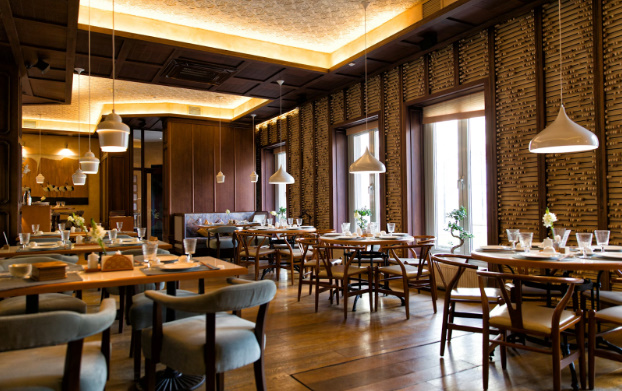
Restaurant Discoveries: Finding Your Local Gems
Between bucket list experiences and everyday eating sits the vast middle ground of restaurant dining. These meals don’t require travel or extensive planning, but the best ones still deliver genuine pleasure that home cooking rarely matches. Finding restaurants worth returning to improves regular life considerably.
I’ve learned that specificity often signals quality in restaurant dining. Places trying to serve everything usually excel at nothing. Restaurants focusing on particular cuisines or techniques tend to outperform those with sprawling menus attempting to satisfy every possible preference. The focus allows genuine expertise rather than spread-thin competence.
Regional cuisines particularly benefit from specialist treatment. Chinese food exemplifies this perfectly. Generic Chinese restaurants serving dishes from every region typically deliver acceptable but unremarkable versions of everything. Restaurants specialising in specific regional cuisines produce entirely different results because they’re actually attempting authentic preparation rather than modified-for-Western-palates approximations.
Finding a quality sichuan chinese restaurant changed how I think about Chinese food entirely. The bold flavours featuring both heat and the distinctive numbing sensation from Sichuan peppercorns bear little resemblance to generic Chinese takeaway. The complexity rewards attention in ways that familiar dishes don’t. Each bite reveals layers that simpler cooking never achieves.

The adventure of trying unfamiliar cuisines keeps eating interesting. Falling into patterns where you rotate through the same handful of restaurants means missing discoveries that could become new favourites. Deliberately trying places outside your comfort zone occasionally produces disappointments but also yields finds you’d never have made otherwise.
Recommendations from people whose taste you trust shortcut the discovery process considerably. When someone who eats well suggests a place, it usually merits investigation. Building networks of food-aware friends creates ongoing streams of suggestions worth following. Social media also helps here if you follow the right accounts rather than sponsored content.
Price doesn’t always correlate with quality in restaurant dining. Some expensive places deliver experiences justifying their costs whilst others trade on location or pretension rather than actual food quality. Similarly, modest-looking restaurants sometimes produce remarkable food that fancier competitors cannot match. Judging by appearance or price alone misleads regularly.
The hospitality component of restaurant dining matters beyond just food. Feeling welcomed and well-served enhances meals significantly. Restaurants where staff seem genuinely happy you’re there create different experiences than those treating customers as inconveniences interrupting their shifts. This atmosphere affects how food tastes even when the cooking itself remains identical.
Building relationships with restaurants you love pays dividends over time. Becoming a regular at places you genuinely enjoy often improves experiences through better tables and recommendations and occasional extras that don’t appear on bills. These relationships also support businesses worth supporting, helping ensure they’ll remain available for future visits.
Everyday Treats: Small Pleasures That Matter
Not every meaningful food experience requires restaurants or travel. Some of the best eating happens at home through quality products that elevate ordinary occasions. Recognising when to invest in better ingredients or outsource to professionals who do things better than you improves daily life considerably.
Celebration desserts represent one category where professional quality genuinely matters. Birthdays and anniversaries and achievements deserve proper treats. Attempting elaborate cakes at home usually produces results that disappoint compared to what skilled bakers achieve. The gap between amateur and professional baking shows more obviously than in many other cooking categories.
I’ve stopped pretending I’ll ever produce bakery-quality cakes at home. My skills plateau at simple things whilst my ambitions suggest elaborate creations. The disconnect produced too many disappointing results before I accepted reality. Now I leave celebration cakes to professionals who actually know what they’re doing.
Services offering cake delivery Sydney customers rely on have transformed how I approach celebrations. Beautiful cakes arrive without stressful pickup trips or kitchen disasters. The convenience allows focusing on enjoying occasions rather than managing catering logistics. The quality exceeds anything I’d produce regardless of effort invested.

The calculation here involves honestly assessing what you do well versus what others do better. Pride in doing everything yourself sometimes produces worse outcomes than strategically outsourcing things beyond your skills. This isn’t failure but rather intelligent allocation of time and energy toward activities where your efforts actually improve results.
Everyday food quality matters beyond special occasions too. The coffee you drink daily affects more of your life than occasional fancy dinners. The bread you eat regularly contributes more to overall eating satisfaction than infrequent restaurant meals. Investing in better versions of frequently consumed items delivers substantial quality-of-life improvements.
Finding reliable sources for quality everyday items simplifies maintaining higher standards. Once you discover a bakery whose bread you love or a coffee roaster whose beans suit your taste, repeat purchasing becomes automatic rather than requiring constant research. These relationships with quality suppliers improve daily eating without demanding ongoing effort.
Finding Your Own Food Priorities
Everyone’s ideal food experiences differ based on preferences and priorities and circumstances. Some people care deeply about restaurants whilst others prefer cooking at home. Some chase unique experiences whilst others find comfort in familiar favourites. None of these approaches is wrong.
What matters is being intentional rather than defaulting to whatever requires least thought. Eating represents too large a portion of life to approach carelessly. The meals that become memories happen because someone decided they should matter rather than treating eating as mere necessity.
I’d encourage taking time to consider what food experiences you actually want. Which bucket list meals genuinely appeal versus which ones you think you should want? What everyday eating improvements would most enhance your regular life? Answering these questions honestly focuses effort where it will actually deliver satisfaction.
Food connects us to places and people and memories in ways few other things match. The experiences worth having vary for everyone, but having them matters universally. Whether that means watching sunsets over ancient landscapes or discovering neighbourhood restaurants or simply enjoying better cake at birthdays, these moments contribute to lives well lived.