
Tuesday night hits different in most homes. Your kids scatter in all directions. One’s doing homework. Another’s glued to a screen. You’re making dinner and already stressing about tomorrow.
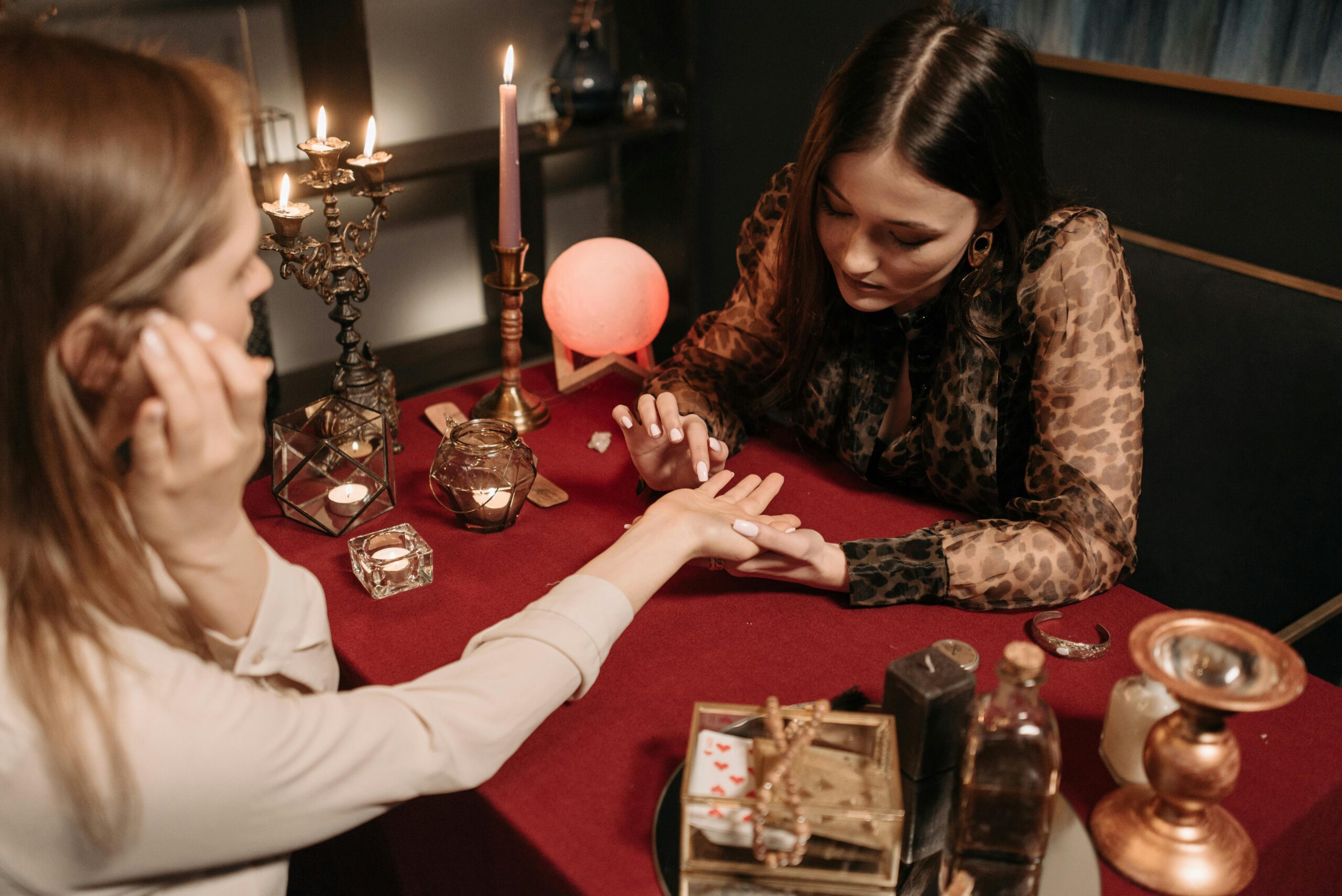
This happens in pretty much every household now. Everyone stays busy with their own stuff. Actually connecting gets pushed off until the weekend. More families now look for different ways to slow down together. Some explore practices like palm reading near me or simple breathing exercises. The goal is just being present with each other, even for a few minutes.
Start with Quick Awareness Activities
Forget the idea that mindfulness needs special training or tons of time. Kids respond better to games anyway. They learn focus without realizing they’re learning anything. That’s the sweet spot.
The Five Senses Game
Try this tonight at dinner. Everyone names something they see, hear, smell, taste, and touch right now. Five things total. Done. Kids get really into pointing out stuff adults completely miss. You might suddenly notice your fridge humming or sunlight hitting the floor.
The game pulls everyone into the same exact moment. Nobody’s worried about tests or work deadlines. You’re all just there. Run through it a handful of times, and it starts happening naturally.
Breathing with Stuffed Animals
Tell a kid to practice breathing, and watch their eyes glaze over. Make it a game, and suddenly they’re interested. Have them lie flat with their favorite stuffed animal on their stomach. They watch it rise and fall with each breath.
Most kids actually find this really calming. They can see their breath working. It gives them something concrete to focus on. Works great before bedtime or after meltdowns.
Nature Scavenger Hunts
Head outside and collect random things. Three textures, three colors, three sounds. A bumpy pinecone. A smooth pebble. A bright yellow leaf. Bring everything home and talk about the finds.
This costs absolutely nothing and works pretty much anywhere. Parks work. Backyards work. Even sidewalks in the city have interesting stuff to notice. Keep the items in a bowl or jar. They become little reminders of good times spent together.
Try Different Spiritual Practices Together
Older kids usually want something with more substance. Basic breathing games stop cutting it around age ten or eleven. They start asking bigger questions about life and themselves. Lots of different practices work for this age.
Professional Guidance Options
Professional palm readers study the lines and shapes in your hands. They connect these patterns to personality and life direction. Sessions like this often lead to really good family talks afterward. Kids find the whole thing fascinating. Their hands tell stories about them. That’s just cool to a teenager. Plus, they learn that tons of traditions exist for understanding ourselves.
Card Decks for Families
Oracle cards and tarot aren’t adults-only anymore. Family versions focus on feelings, choices, and everyday guidance. The pictures stay gentle. Messages stay uplifting.
Pull one card before school each day. Talk about what it might mean for the next few hours. Kids start connecting images to their actual emotions. This builds their ability to name feelings without making it feel like therapy.
Daily Energy Check-Ins
This takes maybe five minutes tops. Everyone picks a number between one and ten for their current energy. Then share what pushed it up or dragged it down today.
You figure out what actually affects each person. Maybe your teen crashes after scrolling too long. Your younger kid bounces back after running around outside. Studies confirm that mindfulness techniques reduce stress at any age. These quick check-ins make that research actually useful in real life.
Short Guided Meditations
Tons of free recordings exist online for kids. Stick with five to fifteen minutes max. Longer ones lose their attention fast. Stories and visualizations work way better than silent sitting.
Play one before bed as part of winding down. Everyone just lies there and listens. Beats another half hour of screen time. The stories help brains shift into sleep mode naturally.
Build Regular Family Rituals
Doing something once is nice, but rituals actually create change. They become part of who your family is. Pick what fits your actual schedule and commit to those few things.
Morning Check-Ins
Start each day with a quick connection before chaos hits. Everyone shares one intention before walking out the door. Under ten minutes, but it really sets a different tone. People leave feeling less all over the place.
Some families do this over breakfast. Others catch each other right before everyone scatters. Figure out your own timing. The habit itself matters way more than perfect execution.
Gratitude at Dinner
Go around the table every night. Each person names something good from their day. Even one small thing. This actually rewires how brains notice stuff. Plus, quiet kids get a structured chance to talk.
Rough days make gratitude feel fake. Do it anyway. Finding even one tiny positive thing helps. Good weather counts. Tasty lunch counts. Anything works.
Weekly Reflection Time
Sunday evenings work well for lots of families. Set aside twenty minutes to review the week together. Cover a few basic areas:
- Things that went well
- Stuff that felt hard
- What to try differently next week
- Plans coming up
These talks help everyone process together. Kids see that adults struggle too. They pick up healthier ways to handle tough stuff. Structure makes it easier than random venting.
Seasonal Celebrations
Notice when seasons actually change. Mark solstices and equinoxes with simple rituals. Light candles together. Take walks to see the changes. Cook foods that match the season.
These moments build your family’s unique culture. Kids remember these traditions years later. They become part of your family identity.
Make These Practices Last
Good intentions disappear fast without a smart setup. Here’s what actually works for building lasting habits.
Start Really Small
Pick literally one thing right now. Do just that for two full weeks before adding anything else. Starting small prevents the whole thing from feeling overwhelming. New habits need serious time to feel automatic. Doing too much guarantees failure.
Maybe you only add dinner gratitude. That’s completely fine. Once it feels totally normal, consider adding something else. Slow and steady beats ambitious plans that crash.
Keep Supplies Visible
Put your meditation stuff, journals, or card decks right out in the open. Storing things in closets means you forget they exist. A basket on the coffee table beats hidden storage every single time.
Visible tools actually get used. Sounds super obvious, but most people miss this. Every bit of friction kills habits before they stick.
Let Kids Lead Sometimes
Children care way more when they help decide stuff. Your daughter might want music during morning check-ins. Your son could suggest rotating who picks the discussion topics. Say yes whenever possible.
This keeps things feeling fresh instead of forced. Kids also learn that their opinions carry weight. They take ownership rather than just going through motions.
Track Without Pressure
Grab a basic calendar and some stickers. Kids love marking days off. Celebrate hitting thirty days or other milestones. But skip the guilt when life gets crazy.
You’ll miss days sometimes. Everyone does. Connection is the goal, not perfect attendance. Start again whenever you can without stressing about broken streaks.
Finding What Fits Your Family
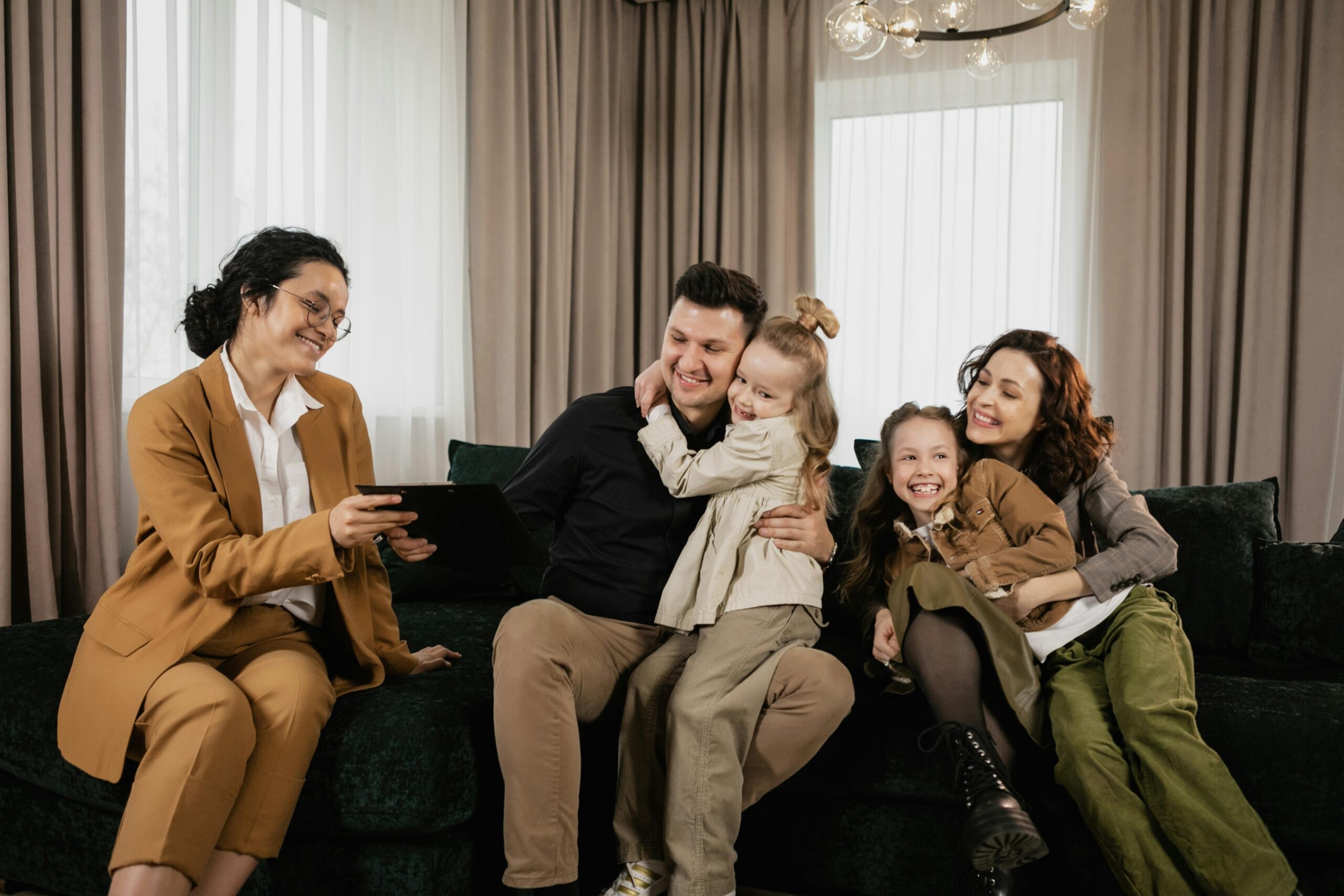
Every household runs differently. Your neighbor’s system might bomb completely for you. Some families need structure and set times. Others work better with loose, spontaneous approaches.
Notice what brings you closer versus what causes fights. Something feels forced or creates tension. Drop it immediately. Try a totally different angle. Mindfulness should make life easier, not harder.
The stuff that sticks is what everyone genuinely enjoys. You’ll know when something clicks. Conversations get easier. Kids share more. Daily stress feels less overwhelming. Those signs mean you found your groove.
Give yourself full permission to experiment. Mix different practices together. Create your own versions that fit your family. Being present together matters. How you get there matters way less.