
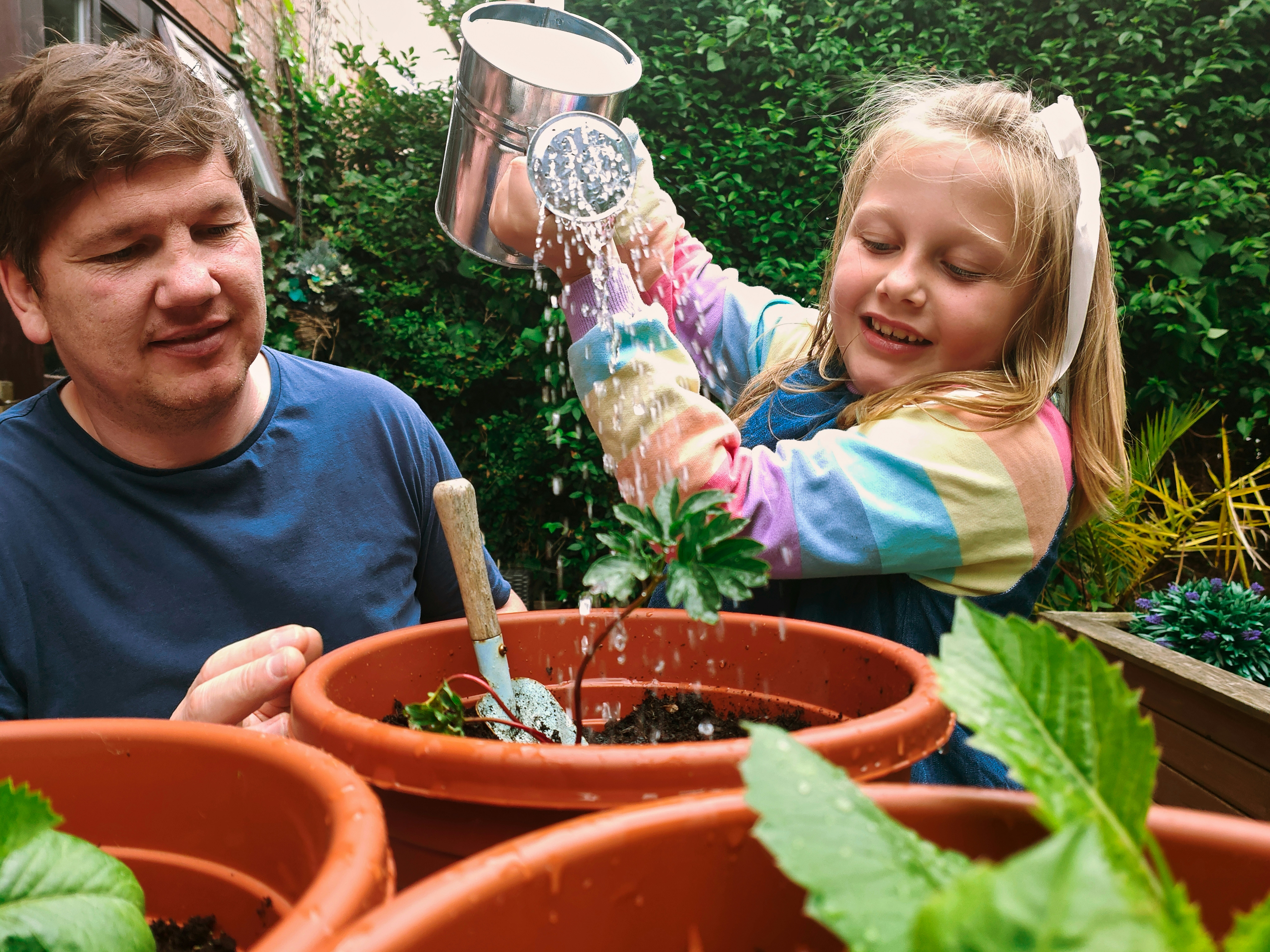
Getting children involved in gardening can sound lovely in theory, but in reality it does not always go to plan. Some children lose interest quickly, others dislike getting muddy, and many would rather be doing something else entirely. Over time, we found that the key to making gardening work as a family activity was to keep it relaxed, flexible and pressure-free. Starting small with vegetable seeds helped turn gardening into something our children felt curious about, rather than something they were told to do.
Instead of treating gardening as a task, we began to see it as an invitation to step outside together and see what might happen.
Letting Curiosity Lead the Way
Children are naturally curious, but that curiosity tends to disappear when they feel forced into something. Gardening works best when it begins with interest rather than instruction.
Planting seeds is often where that interest starts. Seeds are small, simple and full of potential, which makes them fascinating to children. They invite questions: What will grow? How long will it take? What will it look like? Rather than answering everything at once, letting those questions sit can be part of the fun.
When children feel like they are discovering something for themselves, they are far more likely to stay engaged.
Keeping Expectations Low
One of the easiest ways to turn gardening into a chore is by expecting too much from it. Expecting children to weed neatly, water on a strict schedule or stay focused for long periods can quickly drain the enjoyment.
We found it helped to remove expectations altogether. Some days, the children were keen to help. Other days, they wandered off after a few minutes. Both were fine. Gardening does not need to be finished in one go, and it does not need to look perfect.
Allowing children to dip in and out helps keep gardening feeling optional rather than obligatory.
Giving Children Ownership
Children are far more interested in things that feel like theirs. Giving them a small sense of ownership can make a big difference.
This could include: allocating them a small section of the garden, giving them their own pots, or letting them decide what seeds to plant. If a child views something as their own, they are more likely to check in and care for it.
Ownership does not need to come with responsibility straight away. Interest often grows naturally once children feel connected.
Making Gardening Fit Around Real Life
Family life is busy, and gardening needs to fit around existing routines rather than compete with them. Trying to carve out large chunks of time can make it feel like hard work.
Short, informal moments work better. Simply heading outside for five minutes on a weekend or after school to water plants or check on seedlings will do.
The smaller moments add up and allow gardening to become part of everyday life rather than an allocated task.
Accepting That Interest Comes and Goes
A child’s interests are constantly changing with what is new to them in the world, this includes gardening. There will be periods of excitement followed by weeks of indifference.
Instead of trying to maintain enthusiasm at all times, it helps to accept these natural ebbs and flows. The plants will continue to grow even if children are not dedicating their attention to gardening, once a plant sprouts or there is something new to see, the interest is likely to return.
This approach removes pressure and keeps gardening enjoyable rather than demanding.
Learning Through Watching, Not Teaching
Gardening offers a chance to learn without it feeling like a lesson. Watching over you can allow a child to absorb information with casual conversation so it does not need to feel educational.
They notice the surroundings and conditions that help the plants grow, it teaches them about the outcomes of the weather and that not everything goes to plan. These lessons tend to stick because they are experienced rather than explained.
Educational conversations can happen naturally, such as, why a plant looks different or why it did not grow. There is no need to turn these moments into lessons unless children ask.
Letting Gardening Be Messy
Gardening allows children to get stuck in and messy – this is part of its appeal. Soil gets everywhere, water spills and plants do not always stay where they are meant to.
Allowing mess helps children feel comfortable experimenting. It also removes the fear of doing something wrong. When gardening is treated as something that can be explored rather than perfected, children feel more confident taking part.
Mess can always be cleaned up later. Enjoyment is harder to recover once it is lost.
Celebrating Small Changes
Acknowledging and celebrating the small wins can often matter more. Harvesting the vegetables isn’t always the most exciting aspect of gardening for a child.
The first sprout emerging and new leaves appearing on plants allows a child to see the progress and point out the early stages of growth – this can help them feel connected and involved in the process even if the changes are subtle.
Celebrating the smaller developments helps to keep their interest in gardening without creating pressure to achieve a high goal.
Allowing Gardening to Be What It Is
Gardening may not excite some children as it does others – that is okay. The goal is to get the child used to being outdoors and involved in nature rather than them becoming a gardening enthusiast.
For some children, gardening becomes an interest. For others, it remains something they participate in occasionally. Both outcomes are valid.
By keeping gardening flexible and centred around curiosity, with low-pressure, it can remain a positive part of family life rather than a task.
A Gentle Invitation Outdoors
Gardening does not necessarily need to be productive to be effective. It can be used to encourage children to spend more time outdoors without the pressure of it feeling forced.
Planting seeds, watching what happens and accepting whatever level of involvement children choose helps gardening feel accessible and enjoyable.