
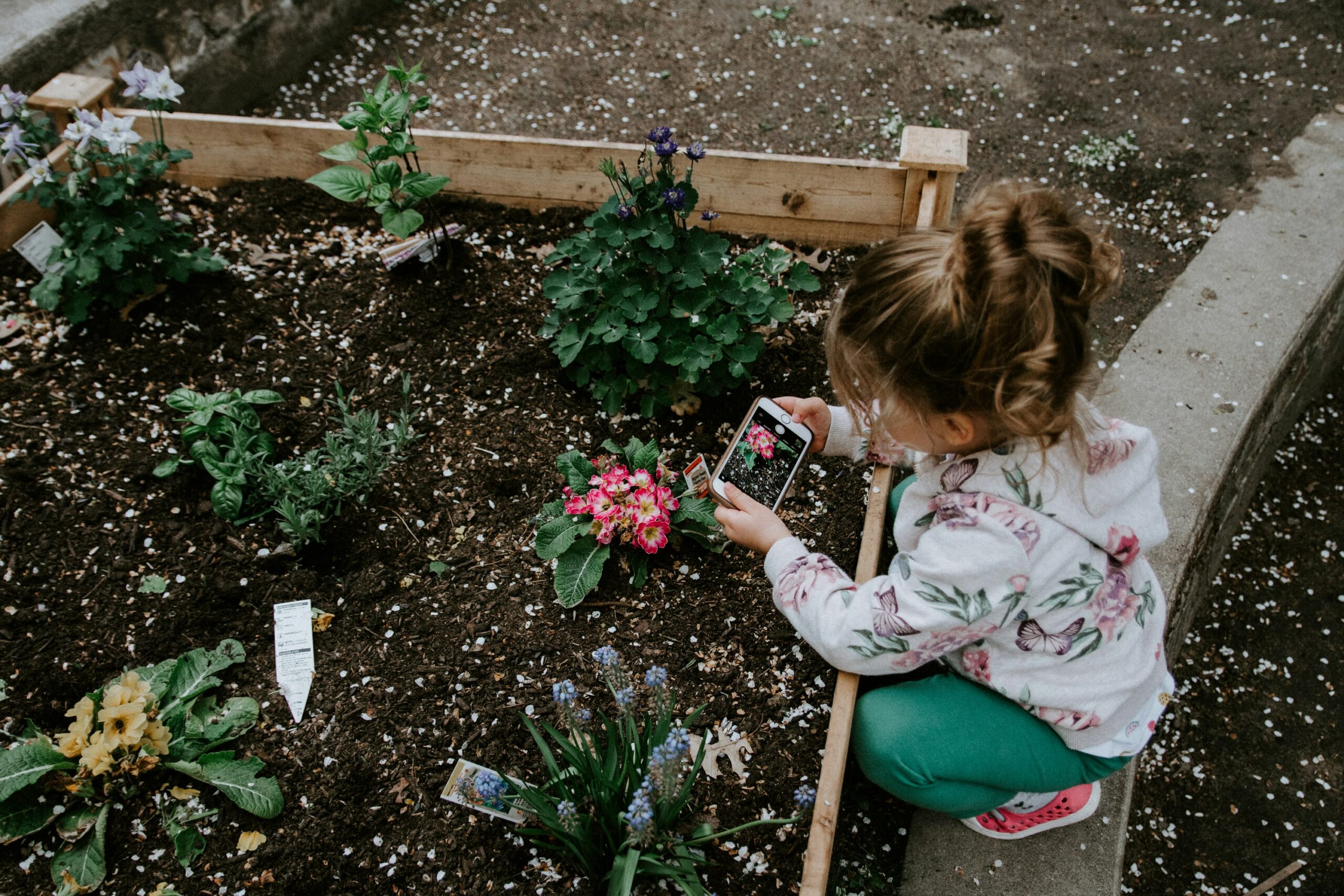
Spending time together as a family doesn’t always have to mean planning days out or organising activities that take weeks of preparation. Sometimes, the simplest projects are the ones that stick. Growing vegetables at home is one of those quietly rewarding activities that brings children into the process of learning, responsibility and curiosity, without feeling like a lesson. Whether you have a garden, a patio or just a windowsill, starting with a small selection of vegetable garden seeds and plants can be an easy way to introduce kids to where food comes from and how it grows.
For children, gardening is hands-on in the best possible way. There is digging, watering, waiting, checking and celebrating small changes. It’s slow enough to encourage patience, but interesting enough to hold their attention, especially when they are involved from the very beginning.
Why growing vegetables works so well for kids
Children naturally enjoy activities where they can see progress. Planting something tiny and watching it grow over time makes sense to them in a way that abstract explanations often don’t. Vegetables are particularly effective because they have a clear purpose. This isn’t just a plant to look at, it’s something they will eventually be able to eat.
There’s also a sense of ownership that comes with gardening. When children help plant seeds or young plants, they feel responsible for them. That can lead to more enthusiasm about watering, checking soil and noticing changes day by day. Even children who are usually reluctant to try new foods can become more interested when they’ve helped grow them themselves.
Starting small and keeping it simple
One of the easiest mistakes to make is trying to grow too much at once. For children, especially younger ones, a few manageable plants are far better than a full vegetable patch. Lettuce, radishes, peas and tomatoes are often good starting points as they grow relatively quickly and don’t require complicated care.
Containers work just as well as garden beds, which makes this a flexible activity for different types of homes. A few pots on a balcony or outside the back door are often more accessible for children than a larger garden area. Being able to reach their plants easily encourages them to stay involved.
Let children help with simple decisions, such as choosing what to grow or where to place the pots. This gives them a sense of control and makes the project feel like theirs, not just something they’re helping with.
Making it part of everyday life
Gardening doesn’t need to be treated as a separate activity that only happens occasionally. It works best when it becomes part of everyday routines. Watering plants after school or checking for new leaves in the morning helps children see growing as an ongoing process rather than a one-off task.
These small moments can also spark conversations. Why does one plant look taller than another? What happens if it hasn’t rained for a while? Why do some leaves look different? You don’t need all the answers straight away; exploring these questions together is part of the fun.
For families with busy schedules, even just a few minutes a day is enough to keep plants healthy and children engaged.
Learning through doing
Growing vegetables naturally introduces children to basic science concepts without feeling formal. They learn about sunlight, water, soil and time simply by observing what happens to their plants. Measuring growth, counting leaves or keeping a simple diary of changes can turn gardening into a gentle learning experience.
There’s also an emotional side to this kind of learning. Children discover that not everything works perfectly every time. Sometimes plants don’t grow as expected, and that’s okay. These moments can help build resilience and problem-solving skills in a very natural way.
Encouraging healthy eating habits
One of the most talked-about benefits of growing vegetables with children is its impact on eating habits. While it doesn’t guarantee that every child will suddenly love all vegetables, it often makes them more open to trying new things.
When a child has planted, watered and watched a vegetable grow, tasting it feels like the final step of a story they’ve been part of. Even if they only take a small bite, that willingness to try is a positive step. Preparing meals together using home-grown vegetables can reinforce this connection between effort and reward.
Adapting for different ages
Gardening activities can be adjusted easily depending on a child’s age. Toddlers might enjoy filling pots with soil or watering plants with supervision. Older children can take on more responsibility, such as remembering watering schedules or helping harvest vegetables.
Teenagers may be less enthusiastic at first, but involving them in planning or cooking with the vegetables can make the activity more appealing. Giving them their own plant or small area to manage can also increase engagement.
Creating positive family memories
Perhaps one of the most valuable aspects of growing vegetables at home is the time spent together. These shared experiences often become part of family routines and memories, even if they seem ordinary at the time.
Gardening doesn’t require screens, strict rules or high expectations. It allows families to slow down, work side by side and enjoy small successes together. Over time, those moments add up to something meaningful.
Getting kids involved in growing vegetables isn’t about creating perfect plants or impressive harvests. It’s about curiosity, connection and learning together. With a few pots, a little patience and a willingness to get your hands dirty, it can become a simple but lasting part of family life.