
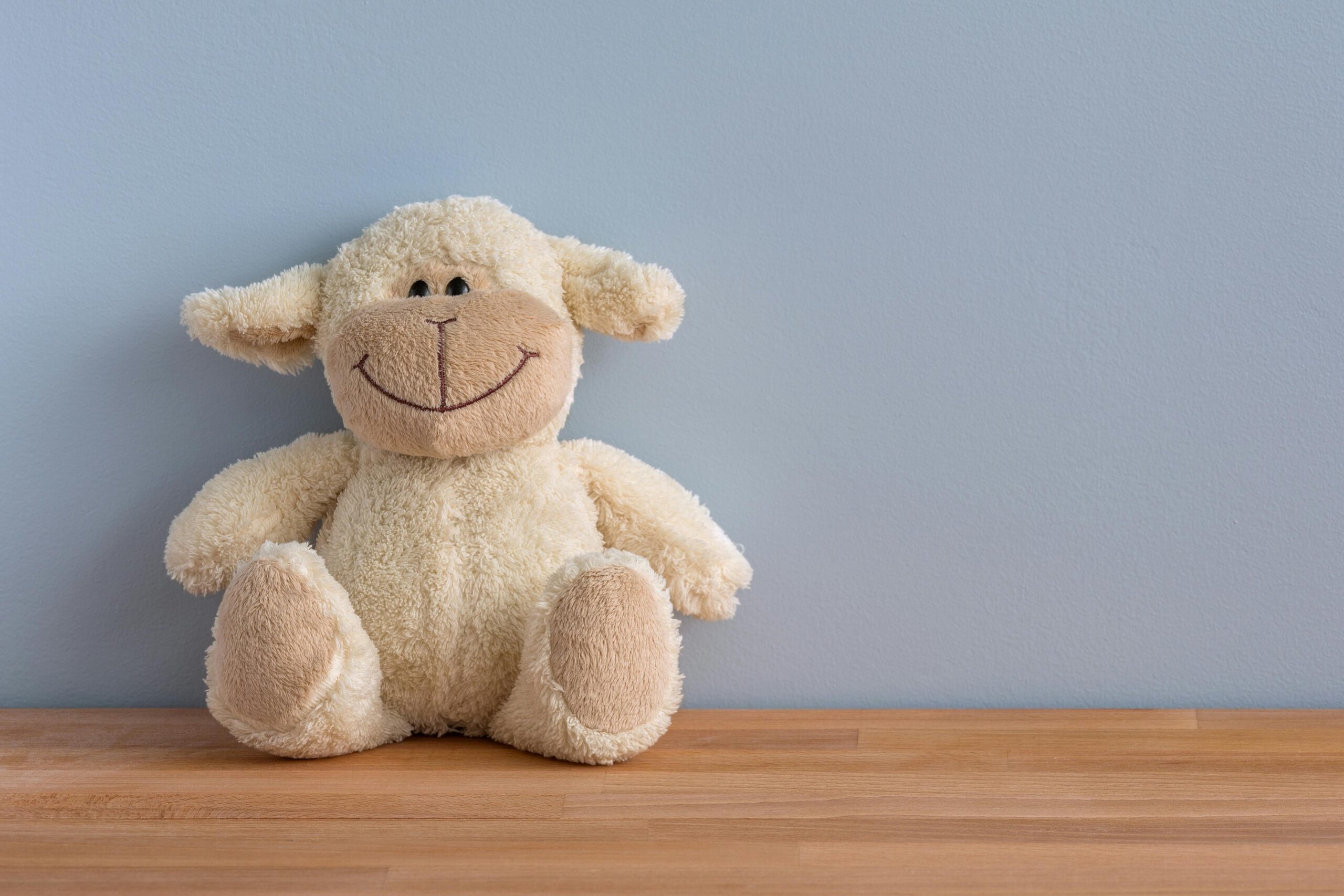
A plush toy rarely stays neat once a child chooses it at a party or play date. It moves from sofa to car seat and back again, sometimes in the same evening. Parents notice later when fur mats, seams split, or parts loosen after rough daily handling. A good plush gift fits family routines and survives the small chaos of ordinary days.
JupiterHadley.com often shares family outings and reviews that mention what really lasts with children. That same mindset helps when you choose Jellycat soft toys as a gift for children you know. Hugglemoo’s Jellycat bunnies range shows how different sizes and textures suit different ages at home. When the toy feels pleasant, it is more likely to stay part of bedtime, travel, and quiet time.
Think About Age, Temperament, And Daily Play
Age labels help, yet they do not capture how a child plays at home. Some children cuddle gently, while others squeeze, drag, and toss toys during noisy games all afternoon. A plush that works for calm play may fail fast during active afternoons and messy snacks. Ask what the child does after school, then pick a toy that matches that pace.
Size shapes comfort, travel, and how often the toy gets carried between rooms each day. A medium plush fits prams and backpacks and still feels big enough for bedtime cuddles. Very large toys can be loved, but they collect dust faster and take space on beds. Very small toys disappear easily, and parents of toddlers may worry about missing pieces at home.
Texture can matter more than colour for children who react strongly to touch in shops. Some kids dislike scratchy fabric, while others avoid stiff seams that press against cheeks at bedtime. Smooth fibres often suit children who settle with books, films, and long cuddles on sofas. If the child already has a comfort toy, similar fabric often feels familiar immediately to them.
Check Labels, Parts, And Basic Safety Signs
Parents feel calmer when a toy has clear labelling and sensible warnings. In Great Britain, toy safety sits under the Toys (Safety) Regulations 2011 and related guidance. The UK government page explains labelling, warnings, and the age scope of toy rules clearly.
Build checks do not need special tools, just your hands and a quick close look. Squeeze the body, then tug ears and arms gently to test stitching around joints first. Feel for hard bits inside the stuffing, because those can scratch or poke later on skin. If filling shifts into lumps, the toy may lose shape within a few weeks fast.
Faces deserve extra attention, because eyes and noses take constant handling from little hands each day. Embroidered features reduce the chance of small parts loosening compared with plastic pieces during play. If plastic eyes exist, they should feel firmly anchored and smooth around edges at all times. Avoid detachable charms and tiny add ons for toddlers and nursery age children during gifting.
These quick answers help when people want a fast decision without a long debate in shops. They help when you are buying for a child you do not know well yet. They also help when parents want one clear reason the toy should feel safe always.
- Toddlers often do best with a plush that fits both hands, with no hard parts.
- Sensitive skin often prefers dense, smooth fibres that do not shed fuzz during hugs at home.
Choose Fabrics That Stay Soft And Clean
Most ` meet jam, mud, and the back seat floor sooner than anyone expects. Care details matter as much as softness, because mess arrives without warning in family life. A toy that washes easily stays welcome, while a fussy toy often gets packed away. Check the label early, so parents are not guessing about cleaning later after messy weekends.
Machine washable toys suit busy households that juggle school runs, clubs, and weekends away often. Gentle cycles and a pillowcase reduce tugging on ears, tails, and stitched faces during spinning. Air drying often keeps shape better than high heat, especially for long eared bunnies overnight. If the toy needs hand washing, mild soap and a slow rinse work well too.
Fabric type affects comfort over time, especially for children who rub faces on toys daily. Short, dense fibres often resist matting better than long fluffy piles that trap crumbs inside. If the plush sheds fibres on your hand, it can irritate skin and tickle noses. If it feels stiff in your hands, it may not become the chosen bedtime companion.
Smell is another practical issue, especially when toys travel through cars and bags each week. Fragrance sprays can irritate skin, so plain washing is often the safer option for families. A spare comfort toy helps when one needs washing after travel, illness, or a spill. Some families keep a clean backup in a cloth bag, ready for sleepovers anytime too.
Some parents like a quick safety refresher when buying gifts for younger children in stores. The US Consumer Product Safety Commission shares clear notes on age labels and small parts.
Match Character And Style To Real Routines
Children often bond with an animal they can name, carry, and tuck into bed. Bunnies work well because they feel familiar and look gentle in photos and daily life. Neutral colours also sit comfortably in shared rooms and on living room sofas at home. That matters when toys follow children into cafés, parks, and grandparents’ houses each week too.
A calmer design often fits bedtime better than busy patterns or noisy features at night. Simple faces can feel less intense for sensitive kids during tired evenings after school most days. Limited edition styles can be fun, but some children treat them like display items instead. If daily play matters most, a sturdier look often gets more hugs over many months.
Travel changes what works, because weight and pack size affect how often a toy joins outings. Some children like a small plush for car trips and a medium one for bed. Accessories like bunny backpacks can be handy, but they should not replace a cuddle toy. Ranges with varied sizes make matching the family’s habits much easier at home over time.
A Simple Checklist For Picking The Right Plush Gift
If you are choosing quickly, a short checklist keeps you focused on what matters at home. It also helps when you are shopping for birthdays, school gifts, or a child you see only a few times a year. Aim for comfort, clean care, and a build that stays intact after busy weekends. When those boxes are ticked, style becomes the easy part.
Use these points as a fast final pass before you wrap the toy for gifting:
- Choose a size the child can carry alone, and that fits in a bag for trips.
- Prefer embroidered faces for younger children, and avoid loose accessories on toys.
- Check the care label, and pick a plush that can be cleaned without stress later.
- Feel the fabric on your wrist, and avoid rough fibres that shed or irritate skin.
A plush gift feels right when it fits the child’s play style and the parent’s daily reality. Choose a size that travels well, a build that stays intact, and fabric that washes easily. Pick a gentle character that suits bedtime and daytime play without extra fuss most days. That is how the toy becomes a regular friend, not a short lived novelty for long stretches.