
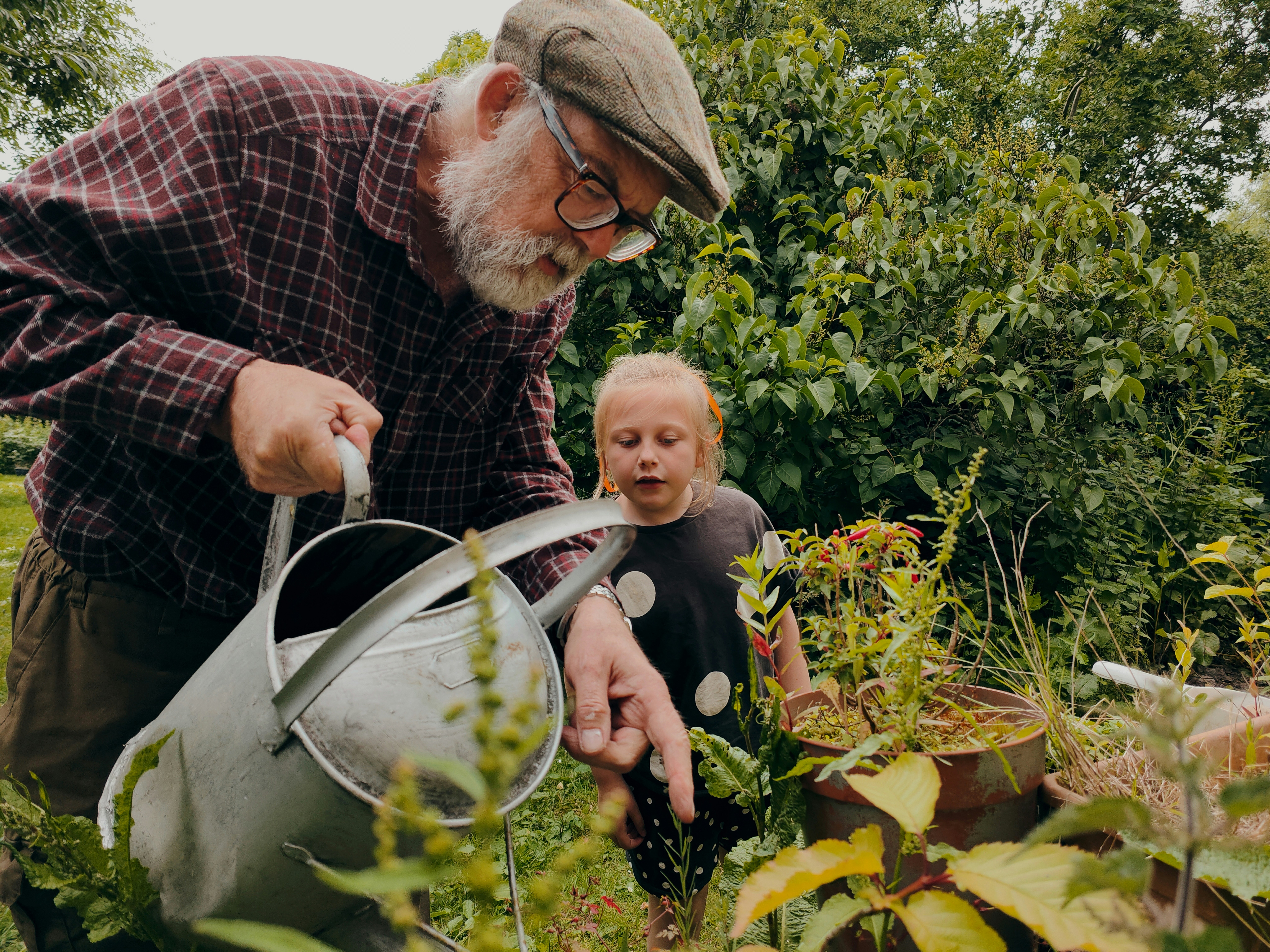
Bringing a grandparent into your home is a big decision. It is also a loving one. When you choose to care for an aging family member under your roof, you are choosing connection, dignity, and shared memories. At the same time, it takes planning.
Your home may need changes. Your schedule may shift. Your family will need to work together in new ways.
With the right preparation, you can create a safe, calm, and supportive space where your grandparent feels respected and comfortable.
This guide will walk you through what to think about, what to change, and how to make the transition smoother for everyone involved.
Start With an Honest Family Conversation
Before moving a grandparent into your home, talk openly as a family. Every adult in the household should understand the level of care that may be needed. Children should also be included in age-appropriate conversations so they know what to expect.
Discuss daily routines, medical needs, and emotional support. Some grandparents may need help with bathing, dressing, and medications. Others may simply need supervision and companionship. Be realistic about your time, energy, and financial resources.
It is important to ask your grandparents what they want. They may feel nervous about losing independence. Reassure them that this move is about safety and comfort, not control. When everyone feels heard, the transition will be much easier.
Assess Your Grandparent’s Care Needs
Every senior is different. Some are active and only need light support. Others may have chronic health conditions, mobility issues, or memory problems.
Start by reviewing medical records and speaking with doctors. Ask about medications, mobility limits, dietary restrictions, and fall risks. If your grandparent has dementia or Alzheimer’s disease, you will need to plan for additional safety measures and supervision.
Understanding these needs will help you decide whether your family can manage care alone or whether you will need outside support. Many families explore options for senior care at home that combine family involvement with professional caregivers.
Make Safety a Top Priority
Safety should be your first focus when preparing your home. Falls are one of the biggest risks for seniors. Look at your home through your grandparent’s eyes.
Remove loose rugs and clutter from walkways. Make sure cords are out of the way. Install grab bars in the bathroom near the toilet and shower. Consider a shower chair and a handheld shower head. Non-slip mats can prevent accidents.
Lighting is also very important. Add nightlights in hallways and bathrooms. Make sure stairs are well lit and have sturdy handrails.
If your grandparent uses a walker or wheelchair, check that doorways and hallways are wide enough. You may need to rearrange furniture to create clear paths.
Create a Comfortable and Private Space
Your grandparent will need a space that feels like their own. If possible, choose a bedroom on the main floor to avoid stairs. Make sure the bed is easy to get in and out of. The mattress should be supportive but not too soft.
Encourage your grandparents to bring personal items. Photos, blankets, books, and favorite decorations can help the new space feel familiar. Familiar objects reduce stress and create comfort.
If space allows, provide a small chair or sitting area. This gives your grandparent a place to relax during the day without staying in bed.
Adjust Your Daily Routine
Caring for a grandparent often means adjusting your daily schedule. You may need to plan time for doctor visits, medication reminders, meal preparation, and companionship.
Think about how mornings will work. Will someone help with bathing or dressing? Who will prepare meals? Who will handle medication management?
If both adults in the home work full time, you may need backup support during the day. This is where outside services can help. Many families look into help for seniors at home to fill in gaps when they cannot be present.
Plan for Medical and Health Management
Medical care does not stop once your grandparent moves in. You will need a clear system for tracking appointments, prescriptions, and symptoms.
Create a folder with medical information, insurance cards, and emergency contacts. Keep a written list of medications and dosages. Set reminders on your phone or use a pill organizer to avoid missed doses.
Have a plan for emergencies. Know which hospital is closest and which doctors your grandparent sees. Keep emergency numbers posted in an easy-to-find place.
You may also want to explore professional services if care needs increase. You may begin asking questions like how much does private home care cost per hour as you consider hiring a trained caregiver to assist with bathing, mobility, or memory support. Understanding costs early helps you prepare financially.
Prepare Children for the Transition
If you have children at home, this change can be very meaningful for them. Living with a grandparent teaches empathy, patience, and respect. At the same time, children need guidance.
Explain that Grandpa or Grandma may move more slowly, repeat stories, or need extra help. Encourage children to ask questions. Teach them simple ways to assist, such as bringing water, reading aloud, or spending time together.
Set clear boundaries as well. Children should not be responsible for medical care or supervision. Their role should be supportive and loving, not stressful.
Address Emotional and Mental Well-Being
Moving into a family member’s home can be emotional for seniors. They may feel sadness about leaving their own house. They may worry about being a burden.
Watch for signs of depression, anxiety, or isolation. Encourage social interaction. Arrange visits with friends or other family members. Consider senior centers, church groups, or community activities if your grandparent is able to attend.
Daily conversation matters. Sitting together at dinner, watching a favorite show, or sharing stories can strengthen emotional health.
Caregivers should also protect their own mental health. Taking breaks is not selfish. It is necessary. If you feel overwhelmed, reach out for support from other family members or professionals.
Organize Finances and Legal Documents
Financial planning is an important part of preparing for in-home care. Review income sources, insurance coverage, and savings. Understand what expenses may increase, such as groceries, utilities, medical supplies, or home modifications.
Make sure legal documents are in order. This may include a power of attorney, health care directive, and updated will. Having paperwork completed ahead of time reduces stress later.
Build a Support Network
You do not have to do this alone. Even if you are the primary caregiver, support from others makes a big difference.
Reach out to siblings, relatives, neighbors, and friends. Some may help with transportation. Others may offer respite care so you can rest. Community programs may provide meals, therapy services, or transportation assistance.
Professional caregivers can also become part of your support system. Even a few hours of help per week can ease pressure and prevent burnout.
Set Realistic Expectations
Caring for a grandparent at home is rewarding, but it is not always easy. There will be good days and challenging ones. Illness may progress. Needs may increase.
Be honest with yourself about what you can handle. Revisit your care plan regularly. If the situation changes, adjust your approach. Flexibility is key.
Remember that providing love, safety, and dignity matters more than perfection. You are creating a home environment filled with compassion. That is something no facility can fully replace.
Focus on the Gift of Time Together
While caregiving comes with responsibility, it also brings meaningful moments. Children learn family history firsthand. Stories are shared. Traditions continue.
Simple daily interactions can become treasured memories. Cooking favorite recipes together. Looking through photo albums. Sitting on the porch at sunset. These moments create connections across generations.
Preparing your house and family to take care of a grandparent at home takes effort. It requires safety planning, schedule adjustments, emotional awareness, and sometimes professional assistance. But when done thoughtfully, it creates a space where your grandparent feels valued and loved.