
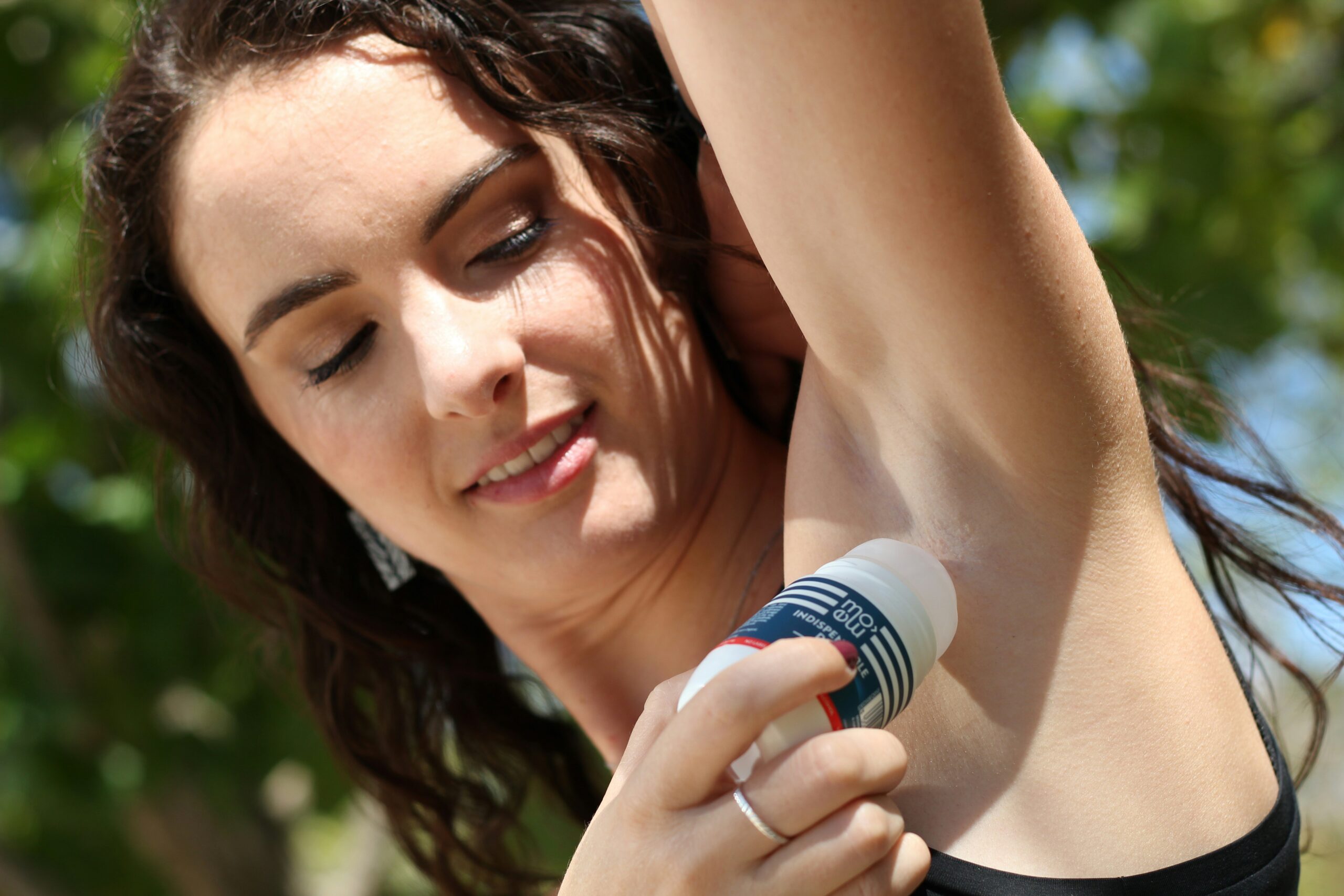
Natural deodorant has a bit of a reputation problem. Half the internet swears by it. The other half tried it once, smelled terrible for a week, and went straight back to their regular antiperspirant.
Life-changing switch or overhyped nonsense?
It sits somewhere in between. Natural deodorant works differently from conventional options, and whether it’s “better” depends on what you’re trying to avoid – aluminium, baking soda, plastic free deodorant packaging – and what your body needs.
What “natural” actually means here
Like most beauty terms, “natural” isn’t regulated. Brands use it loosely. A deodorant could contain one botanical extract alongside a long list of synthetic ingredients and still call itself natural.
What most people mean when they search for natural deodorant: products without aluminium compounds, synthetic fragrances, parabens, or other ingredients they’d rather skip. What they’re getting instead varies wildly. Some formulas use baking soda. Others go for minerals – zinc oxide, magnesium hydroxide. Plant-based powders like bamboo show up in others.
Worth reading the back of the package, not the front.
Aluminium
Aluminium compounds are what make antiperspirants work. They temporarily block sweat glands, reducing how much moisture reaches the surface. Effective, but some people prefer not to interfere with their body’s natural sweating process.
You’ve probably seen alarming claims linking aluminium to health issues. The research isn’t conclusive either way. Major health bodies haven’t found definitive evidence of harm from aluminium in antiperspirants. But absence of proof isn’t the same as proof of safety, and some people would rather not take the chance.
Others just don’t like the idea of blocking sweat glands. Sweating is how the body cools itself down. Stopping that process entirely feels counterintuitive.
Aluminium-free options exist – and they’ve improved significantly over the past few years.
The baking soda problem
Early natural deodorants leaned heavily on baking soda. Logical enough. It neutralises odour, it’s cheap, it’s familiar. Baking soda has a high pH though. Skin doesn’t.
For some people, this mismatch causes nothing. For others, it means redness, irritation, rashes that appear a few days into using a new product. The skin under your arms is thinner and more sensitive than most places on your body. It doesn’t always tolerate pH disruption well.
Tried natural deodorant before and ended up with angry, itchy underarms? Baking soda was probably the culprit.
Baking soda-free formulas use gentler alternatives. Magnesium hydroxide neutralises odour without the pH problems. Zinc oxide helps control odour-causing bacteria. Bamboo powder absorbs moisture naturally. Same jobs, less irritation risk.
What your underarms are telling you
If you’re getting rashes or redness…
Could be baking soda sensitivity. Could also be a reaction to a specific essential oil or fragrance. Try switching to a baking soda-free, fragrance-free formula and see if things calm down. Give your skin a few days to recover before trying something new.
If you’re suddenly smellier than usual…
Transition period. Your body has been using antiperspirant to suppress sweat, possibly for years. When you stop, things recalibrate. Bacteria levels shift. The first week or two can be rough.
It settles. Most people find their natural odour decreases once the adjustment period ends – the body stops overcompensating.
If a product worked brilliantly then stopped…
Bodies change – hormones, stress levels, all of it affects how much you sweat and what it smells like. A formula that worked perfectly for six months might need swapping. This happens with conventional deodorants too.
If you’re fine all day then smell by evening…
Reapply. Natural deodorants don’t suppress sweat the way antiperspirants do. Hot days, active days – a midday top-up helps.
Plastic
Then there’s packaging. Traditional deodorants come in plastic tubes, plastic caps, sometimes plastic components inside the mechanism. All of it ends up in landfill eventually.
Plastic free options skip all that. Solid bars, cardboard tubes, compostable packaging. One less bit of plastic in the bathroom bin.
The format takes some getting used to. Applying a solid bar directly feels different from twisting up a stick. Works the same way though – swipe a few times on clean, dry skin and you’re sorted.
Some people find solid formats last longer too. No mechanism to break, no product stuck at the bottom of a tube you can’t reach.
Switching
Start when you’ve got a few low-pressure days ahead. Not the morning of a job interview or first date.
Expect an adjustment period. One to two weeks where things might feel different. Your underarms are adjusting to being allowed to sweat. Normal.
Had reactions to natural deodorant before? Look specifically for baking soda-free formulas. Fragrance-free if your skin runs sensitive.
Apply to clean, dry skin – matters more with natural formulas than conventional ones. Shower, dry properly, then swipe.
Two to three weeks minimum before deciding if it’s working. First few days don’t count.
So is it better?
For some people, yes. If you want to avoid aluminium, if baking soda-free formulas suit your skin better, if reducing plastic waste matters to you – natural deodorant makes sense.
It’s not better across the board though. Some people genuinely prefer antiperspirants, have no issues with them, and see no reason to change. Fair enough.
What you’re optimising for determines the answer. Ingredient preferences, skin sensitivity, environmental stuff, comfort with how your body works. Natural deodorant solves specific problems. Whether you have those problems is the thing.