
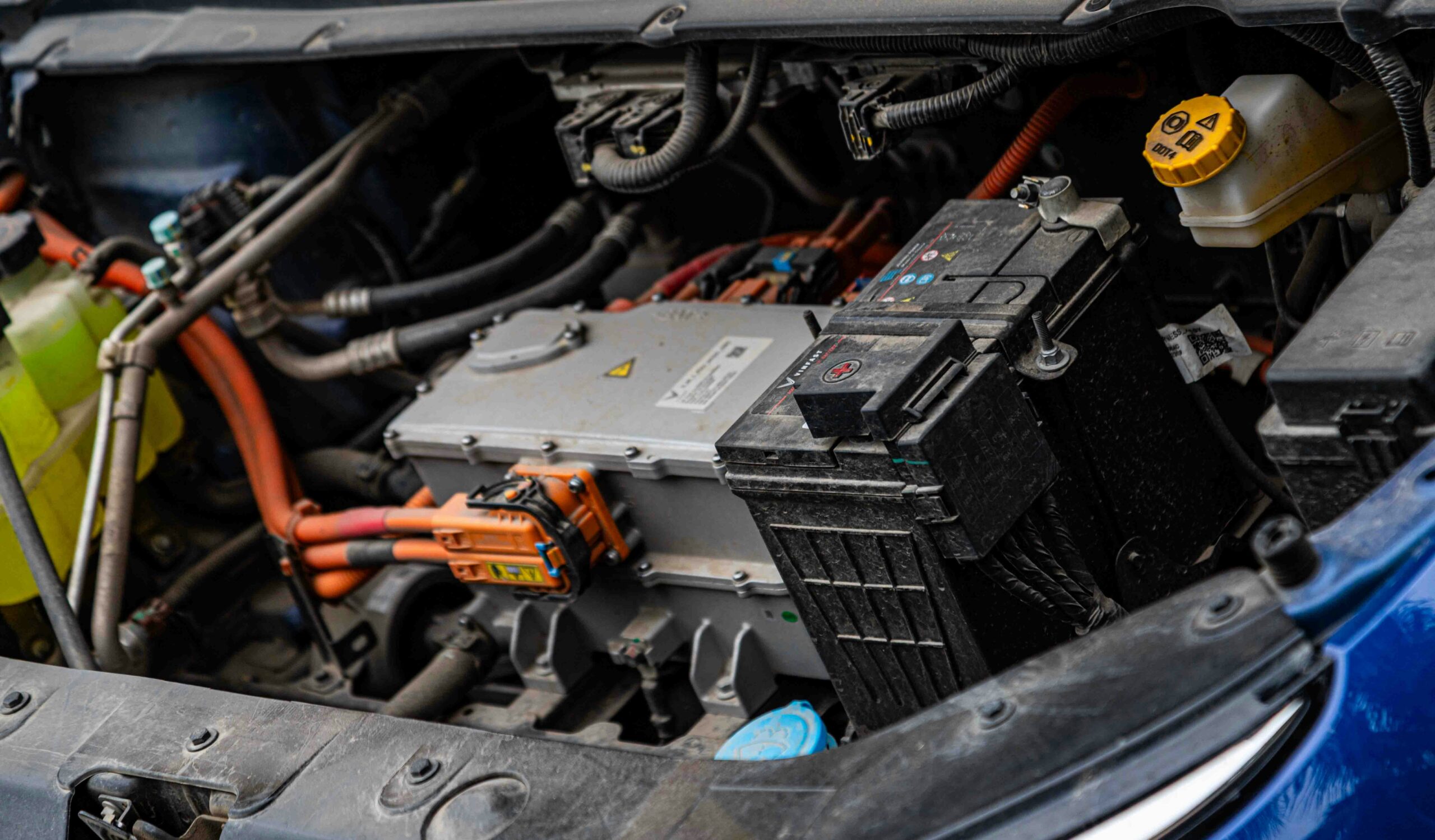
A dead battery is one of the most common reasons vehicles fail to start. Whether your engine cranks slowly, dashboard lights flicker, or your car won’t start at all, your battery may be the culprit. The good news is that you don’t always need professional equipment to diagnose the issue. With a few simple tools and a step-by-step approach, you can test your battery at home and determine whether it needs replacement.
Knowing how to properly test car battery with multimeter can save you time, money, and frustration. Understanding voltage readings and recognizing warning signs early helps prevent unexpected breakdowns.
Below is a complete guide to testing your battery safely and accurately.
Signs Your Battery Is Weak
Before grabbing your tools, it’s important to recognize the warning signs of a weak battery.
Slow Engine Cranking
If the engine turns over more slowly than usual, it may indicate insufficient battery power.
Dim Headlights or Interior Lights
Electrical components rely on steady voltage. Weak batteries often cause lights to dim.
Clicking Sound When Turning the Key
Repeated clicking without engine turnover often signals low voltage.
Check Engine or Battery Warning Light
Dashboard indicators may alert you to charging system problems.
Corroded Terminals
White or bluish buildup around battery terminals can reduce electrical flow.
If you notice these symptoms, testing your battery is a logical next step.
Tools You’ll Need
Testing your battery at home requires minimal equipment:
- Digital multimeter
- Safety gloves
- Safety glasses
- Clean cloth
While a multimeter works well, a dedicated car battery tester can provide additional insights into battery health and cold cranking amp (CCA) performance.
How to Use a Multimeter on a Car Battery
Using a multimeter to test your battery is straightforward. Follow these steps carefully for accurate results.
Step 1: Turn Off the Vehicle
Ensure the engine is completely off and remove the key from the ignition.
Step 2: Set the Multimeter
Set your multimeter to DC voltage (typically 20V range).
Step 3: Connect the Probes
Attach the red probe to the positive terminal (+) and the black probe to the negative terminal (-).
Step 4: Read the Voltage
A healthy, fully charged battery should read:
- 12.6 volts or higher – Fully charged
- 12.4–12.5 volts – Slightly discharged
- 12.2 volts or lower – Weak or discharged
If your battery reads below 12.2 volts, it may need charging or replacement.
Testing Under Load
Static voltage readings provide basic information, but testing under load offers deeper insight.
Step 5: Start the Engine
Observe voltage while starting the engine. Voltage should not drop below 9.6 volts during cranking.
If it drops significantly lower, the battery may lack sufficient cranking power.
Step 6: Check Charging Voltage
With the engine running, voltage should read between 13.5 and 14.5 volts.
If it remains around 12 volts while running, your alternator may not be charging properly.
In this case, understanding how to test alternator becomes important. A weak alternator can mimic battery problems by failing to recharge the battery during operation.
When a Multimeter Isn’t Enough
While multimeters measure voltage, they do not directly measure battery capacity or CCA performance. A battery may show 12.6 volts at rest but still fail under load.
Using a dedicated car battery tester can simulate load conditions and provide a clearer picture of battery health.
Battery testers measure:
- Cold cranking amps
- Internal resistance
- Overall condition
- Remaining lifespan
If your multimeter readings seem normal but starting issues persist, additional testing is recommended.
Common Battery Issues to Watch For
Even if voltage appears normal, other factors can affect performance:
Corrosion
Clean terminals with a battery cleaning solution and wire brush.
Loose Connections
Ensure terminals are tight and secure.
Parasitic Drain
Electrical components left on can drain the battery overnight.
Extreme Temperatures
Cold weather reduces battery efficiency, while excessive heat shortens lifespan.
Routine inspection reduces unexpected failures.
When to Replace Your Battery
Most car batteries last between three and five years. If your battery is nearing this age range and shows weak voltage or poor cranking performance, replacement may be the best option.
Signs replacement is necessary:
- Frequent jump-starts
- Repeated low voltage readings
- Swollen battery case
- Persistent electrical issues
Replacing the battery proactively prevents roadside emergencies.
Preventative Maintenance Tips
To extend battery life:
- Test voltage twice a year
- Clean terminals regularly
- Avoid leaving electronics on
- Secure the battery properly
- Drive regularly to maintain charge
Proper maintenance improves reliability and reduces long-term costs.
Conclusion
Testing your car battery at home is a simple yet powerful way to prevent unexpected breakdowns. Learning how to test car battery with multimeter allows you to monitor voltage levels and detect early signs of weakness. If charging issues are suspected, understanding how to test alternator ensures your entire charging system functions properly.
For more advanced diagnostics, a reliable car battery tester provides deeper insights into battery condition and cranking power.
Proactive testing, routine maintenance, and timely replacement keep your vehicle dependable in all conditions. Taking a few minutes to check your battery today can save you hours of frustration tomorrow.