
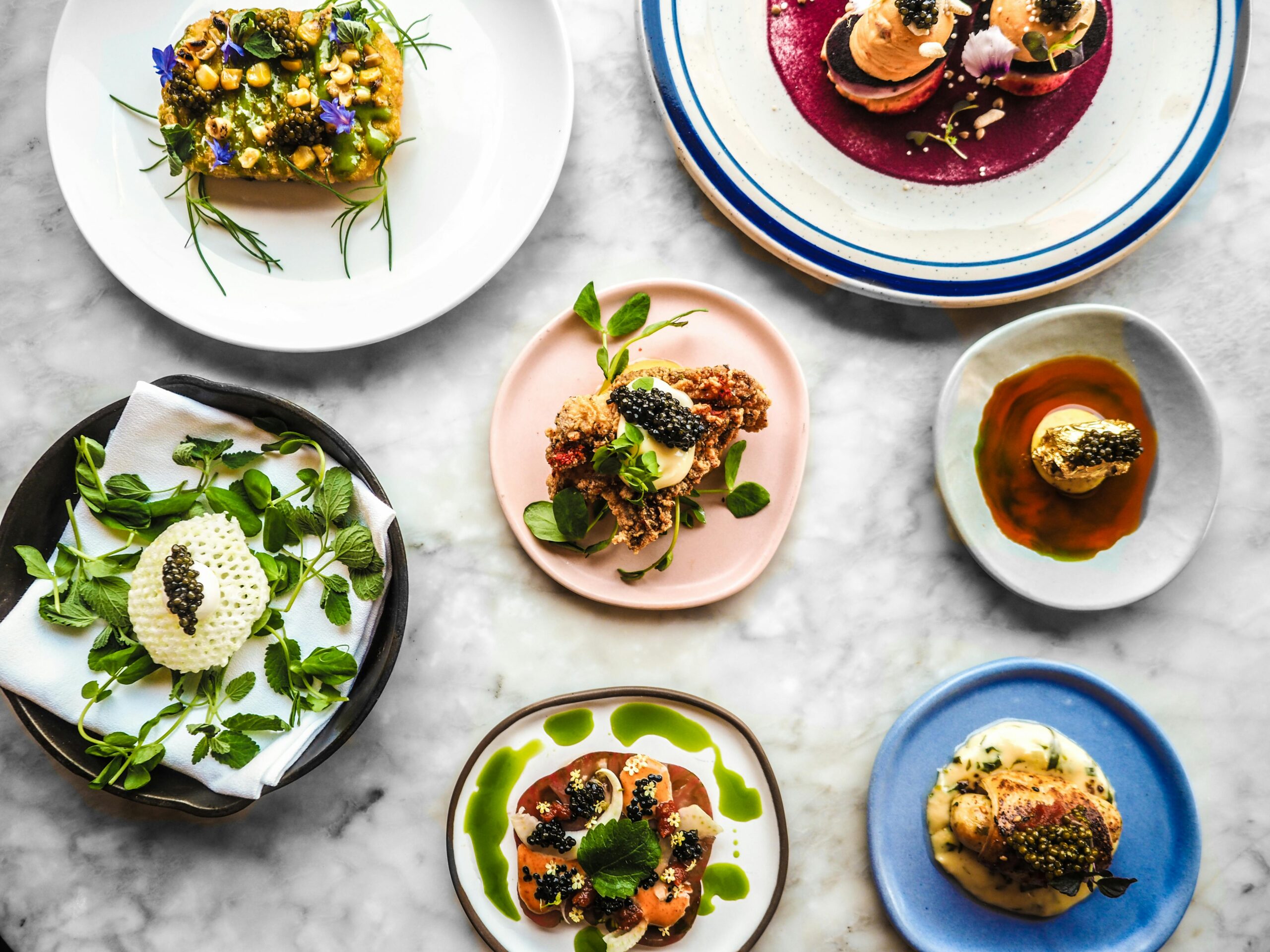
A tasting menu is more than a series of small plates. It is a deliberate way for chefs to communicate ideas, values, and techniques across an entire meal. Toast Tab defines a tasting menu as a multi-course offering designed to highlight a chef’s vision and creativity. This is achieved by presenting a sequence of smaller dishes, not chosen by the diner, but carefully curated. Chefs use tasting menus to display their skills, showcase techniques, and share big ideas.
The result? The meal becomes a journey, not just a selection.
Examining how leading restaurants artfully compose their menus and sequence every ingredient, flavour, and moment, a distinct pattern emerges. Tasting menus captivate because they guide diners on a deliberately planned experience, from the first taste to the final flourish.
In this article, we venture behind the scenes to discover how chefs craft tasting menus, why each ingredient is chosen with purpose, and what transforms these meals into treasured, lingering memories for those passionate about food.
What Is a Tasting Menu?
A tasting menu is a series of small dishes served as a single meal, also called a menu dégustation. Chefs use it to showcase varied skills, demonstrating progression, balance, and ideas in sequence.
Tasting menus differ from regular menus because they are fixed. Chefs determine the number and order of dishes, removing the decision-making from diners. This brings intention and structure to the entire experience.
People pay for the experience, not just for individual dishes. The focus shifts from picking plates to embracing a thoughtfully crafted meal.
Why Tasting Menus Matter Today
Fine dining is growing. The global market was estimated at $166.9 billion in 2024 and may reach $243.2 billion by 2030. This shows rising demand for premium, chef-driven meals focused on quality and experience.
As fine dining continues to evolve, tasting menus have become a key format for chefs to express creativity and regional influence. This trend is visible across Europe, from Nordic kitchens to a growing number of restaurant in Athens Greece with Michelin Stars, where tasting menus play a central role in defining the dining experience.
Popular food and travel trends also drive interest in tasting menus.
Today’s diners look for:
- New food styles and techniques
- Meals that reflect local culture
- Experiences tied to place and time
These factors make tasting menus about more than food. They become reasons to travel and explore.
How Chefs Build a Menu
Chefs use several ideas when they design tasting menus:
1. Ingredient Choices
Chefs start with real ingredients. They choose items that are in season and local when possible. This gives menus a sense of place and supports small producers.
2. Sequence and Flow
Menus build in intensity: lighter dishes first, then richer flavours, keeping diners engaged.
| Stage | Focus Elements |
| Opening Courses | Light, fresh ingredients to set the tone and stimulate the appetite. |
| Middle Courses | Build intensity with more decadent flavours and complex techniques. |
| Closing Courses | Memorable finales balancing sweetness, acidity, or savoriness. |
3. Techniques and Balance
Chefs may use modern techniques like fermentation or preservation to highlight flavours. They work to balance texture, taste, and smell throughout the meal.
The goal is simple: Each dish should connect to the next and feel like a step in a story.
The Role of the Diner
Tasting menus ask diners to play a different role at the table. Instead of choosing each dish, they agree to follow the chef’s vision from start to finish. There’s no need to decide, only to experience. This change moves the focus to the journey, one course at a time.
Trust is the foundation here. Diners rely on the chef to pace the meal, balance flavours, and guide each course. In return, chefs can show how dishes connect and why the sequence matters. This understanding strengthens the link between the kitchen and the table.
Many restaurants also offer drink pairings alongside tasting menus. These may include wine, nonalcoholic drinks, or mixed pairings. Each pairing complements the dish it accompanies and highlights details that might otherwise go unnoticed.
For many diners, this structure makes the meal feel more focused, intentional, and memorable.
Tasting Menus and Culinary Travellers
Food now drives travel decisions. Many people plan entire trips around food experiences. Culinary tourism is a major trend, and local tasting menus often top travellers’ lists.
Here’s why tasting menus appeal to culinary travellers:
- They reveal local food styles in a structured way.
- They show how chefs interpret culture through food.
- They offer a deeper experience than a regular meal.
Destinations with strong culinary scenes benefit from this trend. Cities with tasting menus can attract high-value visitors who stay longer and spend more.
Conclusion
Chefs use tasting menus to share more than food. They share ideas, culture, and creativity. Each dish becomes a part of a larger narrative.
For diners, tasting menus offer a chance to taste intention rather than just portions of meals. They invite people to connect with food on a deeper level.
Understanding this makes every dish clearer and every dining experience more unique and memorable.
Sources
What is A Tasting Menu?
Fine Dining Restaurant Statistics: Market Trends, Revenue Insights & Consumer Behavior