
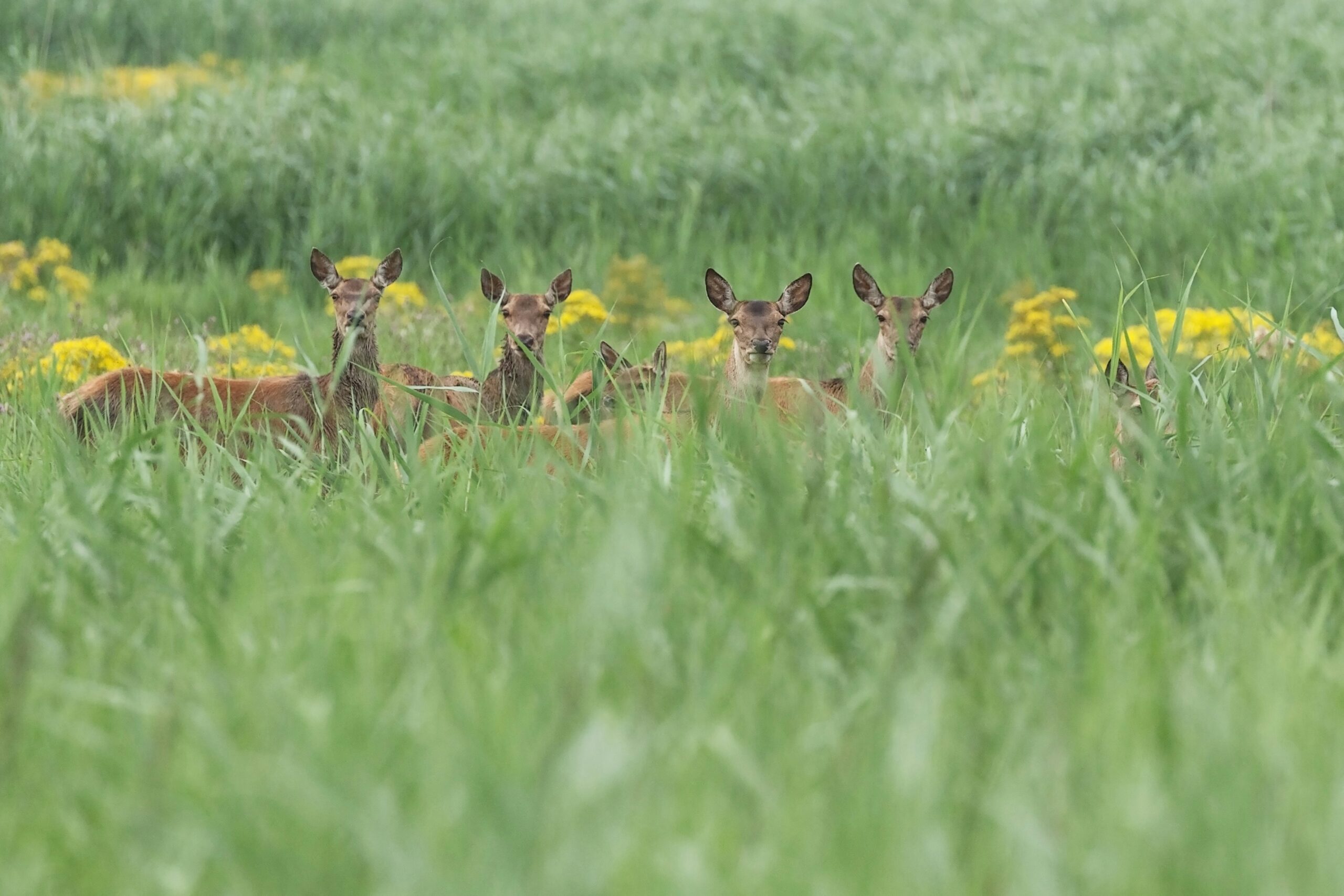
There’s something almost indescribable about watching wildlife where it actually belongs. Not in a zoo. Not in some curated park with plaques and pathways. I’m talking about wild animals in their natural habitat, unpredictable, unfiltered, and honestly, pretty moving.
The sense of awe you get from these encounters? It’s unlike anything else. It combines quiet observation with this subtle shift in how you see yourself and your place in the world.
One of the most remarkable times I’ve felt this was on Tanzania safaris. From the moment the sun hit the horizon, casting those long shadows across the open plains, it was obvious this would be about way more than checking animals off a list. Elephants moved deliberately across the savannah.
These moments felt suspended in time. On safari, all those ordinary markers of schedules and urgency? Completely irrelevant. What matters is being present, staying aware, and letting the landscape reveal itself at its own pace.
The Art of Observation
Wildlife encounters demand a kind of attention that’s easy to forget about in daily life. Every rustle of leaves becomes significant. Every flick of a tail means something.
You can’t rush this stuff. You shouldn’t even try.
To really witness nature, you just have to be present. That’s it. This kind of observation teaches patience in a way nothing else does. You start noticing the subtleties of animal behavior, the interactions within their environment.
It’s a reminder that life continues on its own terms, whether we’re paying attention or not. The humility that comes with that realization? Both grounding and liberating.
Emotional Resonance
The emotional impact of seeing wildlife in its natural habitat is hard to put into words. It can be overwhelming, grounding, and exhilarating all at once.
Watching animals survive, thrive, interact in ways that have been happening for thousands of years, it gives you perspective. There’s also this sense of smallness that comes with it, but it’s not disempowering. Not at all. Standing on those open plains in Tanzania, watching herds move with a rhythm dictated by instinct rather than human schedules, you can’t help but feel the scale and intricacy of life on Earth.
These encounters stick with you. Not just because they’re spectacular (though they often are), but because of the quiet impact they have on your awareness. A lioness pausing to watch the horizon. Each one creates this fleeting sense of connection that stays with you long after you’ve left the savannah.
Connection Without Interference
One of the most remarkable things about observing wildlife in natural habitats? Connection doesn’t require interference.
You don’t feed the animals. Don’t touch them. Don’t disrupt them. That simple act of observation creates intimacy and understanding. You see the intricacies of social behaviour, familial bonds, survival strategies. Every glance, gesture, and movement reveals a depth of life that’s impossible to replicate anywhere else.
Being present without intruding is a lesson in respect. You realize that meaningful experiences often come from patience and mindfulness rather than proximity or control. The world operates independently of our expectations. Some of the most profound encounters are the ones where we step back and just let life unfold naturally.
Lessons Beyond the Safari
The things you learn while observing wildlife? They carry into everyday life.
Patience. Attentiveness. Mindfulness. These aren’t just travel skills, they shape how you approach work, relationships, daily routines. You start noticing subtle details you would’ve missed before. You act more deliberately. You appreciate moments that might otherwise slip
by unnoticed.
Slow, immersive encounters like these also change how you value experiences. Instead of focusing on achievements or getting the perfect photo, you begin to treasure the act of observation itself. Just being there. Just watching.
These are lessons in presence and awareness that stick with you long after the journey ends.
Tanzania’s Unique Offerings
Tanzania offers some of the most incredible opportunities to witness wildlife in its natural habitat. The expansive Serengeti plains. The craggy hills of Ngorongoro. The country gives you landscapes that feel both intimate and immense at the same time.
The sheer diversity of wildlife and ecosystems means every safari feels unique. You never know when a quiet moment might turn into something extraordinary. A solitary cheetah crouched in the grass. Elephants moving across a golden savannah at dusk.
The unpredictability is part of the magic. Nature can’t be scheduled or controlled. The landscapes, the animals, the rhythm of life within them, they all teach a form of awareness that’s impossible to replicate in more managed environments.
Reflections on Presence
What makes wildlife experiences in Tanzania so memorable is how they cultivate mindfulness. Being in the presence of animals living freely requires attention. Stillness. Respect.
You become more aware of your own movements, your own presence, your own impact on the world around you. These experiences highlight something important: some of the most profound adventures are the ones that ask us to slow down.
By observing, reflecting, and letting the environment guide our pace, we encounter moments of wonder that are richer than any planned itinerary could ever provide.
Final Thoughts
Experiencing wildlife in its natural habitat is transformative. It teaches patience, humility, and mindfulness. It reminds us of our small place in the world.
Tanzania safaris exemplify this perfectly: vast landscapes, abundant wildlife, and moments that challenge you to slow down and simply be present. The magic isn’t in capturing it, controlling it, or achieving some goal. It’s in allowing yourself to witness life unfolding in its own time.
These encounters leave an impression. They shape the way you move through the world long after you leave the savannah.
Ultimately, these journeys show that adventure and wonder aren’t found in conquest or documentation. They’re found in attention. Presence. Quiet reflection.