
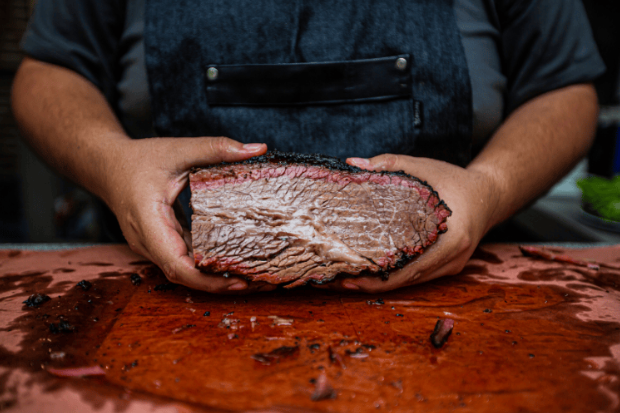
For many home cooks, choosing organic meat begins with concerns about animal welfare, environmental stewardship, or a desire to eat more consciously. Yet one question tends to surface again and again at the dinner table: does higher welfare meat actually taste better?
It’s a fair question. After all, flavour is deeply personal and influenced by everything from cooking method to seasoning. Still, the way an animal is raised, fed, and handled throughout its life can shape the final eating experience in subtle but meaningful ways. From texture and juiciness to depth of flavour, the link between welfare and taste is worth exploring, especially for anyone investing in premium cuts for family meals or special occasions.
What Does “Higher Welfare” Really Mean?
Higher welfare meat generally refers to animals raised with more space, access to the outdoors, natural diets, and lower-stress living conditions. Organic certification adds further criteria, including restrictions on synthetic inputs and clear standards for feed and farming practices.
While labels can vary, the core principle remains consistent: animals are allowed to grow at a more natural pace and express natural behaviours. This slower, less intensive approach can influence muscle development and fat distribution, both critical components of flavour and texture.
Unlike conventional intensive systems that prioritise rapid growth and uniformity, higher-welfare farming often yields meat with greater character. That character can show up in the marbling of a steak, the firmness of a chicken breast, or the richness of a slow-cooked joint.
How Rearing Conditions Influence Flavour
Flavour in meat comes down to a few essential elements: muscle structure, fat content, and the animal’s diet. When animals have room to roam and a more varied diet, their muscles develop differently compared to those raised in confined environments.
For example, animals that move more frequently tend to develop firmer muscle fibres. This can translate into meat with a more robust bite and a fuller mouthfeel. Meanwhile, natural diets often include grass, forage, or organic feed, which can subtly affect flavour notes, adding complexity rather than a single, uniform taste.
Fat plays an equally important role. Good-quality fat carries flavour, keeps meat moist during cooking, and contributes to that satisfying finish on the palate. In higher welfare systems, fat distribution may be more balanced, resulting in cuts that cook evenly and retain juiciness without feeling greasy.
Of course, cooking technique still matters. A carefully sourced organic steak can lose its potential if overcooked. But when prepared thoughtfully, many cooks notice that higher welfare meat offers a cleaner, more distinct flavour that doesn’t require heavy seasoning to shine.
Texture, Tenderness, and the Eating Experience
Taste is only one part of the story. Texture significantly shapes how we perceive flavour. Meat that is raised more slowly often develops stronger muscle fibres, which can initially seem firmer. However, when cooked correctly, this structure can translate into a more satisfying, substantial texture.
Slow roasting, braising, or resting meat properly allows natural juices to redistribute, enhancing tenderness. Many chefs and experienced home cooks argue that higher-welfare meat requires patience. Instead of relying on marinades to add flavour or moisture, the quality of the meat itself becomes the centrepiece.
This is where sourcing becomes important. Working with suppliers that prioritise careful butchery and appropriate ageing can make a noticeable difference. Platforms such as Organic Butchery curate cuts from farms that adhere to organic and higher-welfare principles, ensuring that the handling process complements the farming practices underlying them.
For buyers who want to explore those standards in more detail, it helps to review how a supplier presents its sourcing philosophy and product range. Taking a moment to Visit Website allows customers to see how information about origin, feed, and farming methods is communicated, making it easier to make informed decisions about both flavour and ethics.
Does Everyone Notice the Difference?
Not every palate will detect dramatic differences between conventional and higher-welfare meat. Factors such as seasoning, sauce, and cooking method can mask subtle distinctions. However, in simpler preparations, including grilled chops with minimal seasoning, roast chicken with only salt and herbs, or a plainly seared steak, the intrinsic qualities of the meat become more apparent.
Many people describe higher-welfare meat as having a “cleaner” or more “natural” taste. Others note improved juiciness or a more satisfying bite. While these descriptions are subjective, they highlight an important point: when meat is treated as the focal ingredient rather than just a protein base for sauces, its quality becomes easier to appreciate.
For families who cook regularly at home, this difference can be especially noticeable in staple dishes. A Sunday roast, a midweek stir-fry, or homemade burgers can all feel elevated when the base ingredient carries more depth of flavour on its own.
Cooking Higher Welfare Meat: Practical Tips
If you’re exploring higher welfare meat for the first time, preparation matters. Here are a few practical considerations:
- Let it come to room temperature before cooking; this promotes even cooking and improves texture.
- Season simply. Start with salt and perhaps fresh herbs. Allow the natural flavour to speak before adding complex marinades or sauces.
- Avoid overcooking. Because many organic cuts are leaner or differently structured, precise cooking helps preserve moisture.
- Rest the meat. Resting allows juices to redistribute, enhancing tenderness and flavour.
- Choose the right cut for the method. Slow-cooking tougher cuts brings out richness, while quick searing works well for tender steaks or chops.
When quality is high, less intervention is often required. Rather than compensating for blandness, you’re simply highlighting what’s already there.
So, Does Higher Welfare Meat Taste Better?
The honest answer is nuanced. Higher welfare meat doesn’t magically transform every dish, nor does it guarantee that every diner will detect a dramatic shift. However, the way animals are raised, how they move, what they eat, and how they are handled can influence muscle development, fat quality, and ultimately flavour and texture.
For many cooks, the difference is most apparent in simple, well-prepared meals in which the meat is the star. Add to that the reassurance of ethical sourcing, and the overall experience often feels richer and more satisfying.
Ultimately, taste is deeply personal. The most reliable way to decide is to try it for yourself: prepare a favourite dish using higher welfare meat and pay attention to the details, aroma, texture, depth of flavour, and how the meal makes you feel. Over time, those subtle distinctions may reshape how you define quality on your plate.