
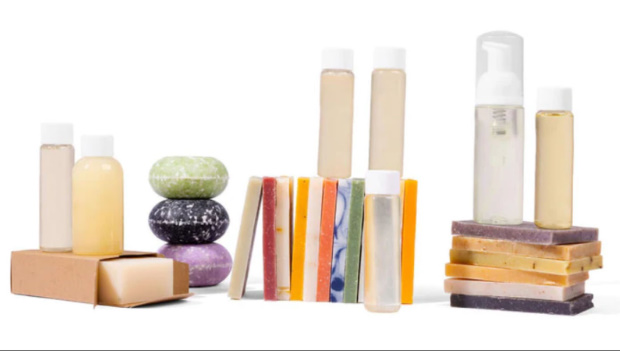
Many successful personal care brands eventually reach a point where expanding their product lineup becomes a natural next step. Customers who trust a brand’s skincare, grooming, or wellness products often look for additional items that fit into their daily routines. Soap frequently becomes one of the most logical additions.
From bar soap to liquid cleansers, these products are used every day and can strengthen a brand’s connection with its audience. When introduced thoughtfully, soap products can deepen customer loyalty and create new opportunities for retail distribution.
However, launching a soap product is not as simple as creating a new label or fragrance. Production methods, ingredient sourcing, formulation stability, and packaging considerations all influence whether the product will succeed in the marketplace. For established brands, protecting quality and consistency is critical because their reputation is closely tied to product performance.
Full ICP
Brands that approach soap production strategically often work with experienced manufacturing partners who understand both the craft of natural personal care products and the operational realities of scaling production. Companies like Botanie exist specifically to help brands navigate this stage of growth by combining production capability with collaborative partnership.
Botanie Messaging Narrative
Why Soap Becomes a Natural Extension for Many Brands
Soap fits naturally into the broader ecosystem of personal care products. Consumers already use soap daily, which makes it an effective way for brands to increase engagement with their audience.
For many established companies, soap products offer several advantages.
Higher purchase frequency
Daily use products encourage repeat purchases. Customers who finish a bar of soap every few weeks are likely to reorder regularly.
Stronger brand ecosystems
Soap allows brands to build coordinated product collections that reinforce their identity.
Examples include:
- Soap paired with body lotions
- Facial cleansing bars paired with skincare routines
- Grooming bars paired with shaving products
Expanded retail opportunities
Retail buyers often prefer brands that offer multiple complementary products. A broader assortment makes merchandising easier and increases shelf visibility.
Improved customer loyalty
When customers use multiple products from the same brand, their connection to that brand becomes stronger.
For companies that already have a loyal customer base, soap becomes a powerful way to extend brand influence into another daily habit.
The Operational Challenges Behind a New Soap Product
While soap may seem like a straightforward product, producing it at scale involves several layers of operational complexity. Many brands underestimate how much coordination is required to bring a soap product to market.
Several factors must be carefully managed.
Ingredient sourcing
Natural personal care brands often rely on high quality oils, botanicals, and fragrance components. Ensuring consistent sourcing is essential to maintaining product integrity.
Formulation development
Soap formulations must be tested for performance, stability, and skin feel. Small changes in ingredient ratios can affect how the final product behaves.
Batch consistency
Maintaining uniform quality across production runs requires disciplined manufacturing systems and experienced production teams.
Packaging compatibility
Soap packaging must protect the product while supporting the brand’s visual identity. Packaging also needs to perform well during shipping and retail display.
Production scheduling
Lead times, ingredient availability, and production capacity all affect how quickly products can reach the market.
For brands transitioning from small batch production, these operational requirements can quickly become overwhelming without experienced support.
Protecting Product Quality as Demand Increases
Product quality is the foundation of any successful personal care brand. Customers return to brands they trust, and that trust is built on consistent product performance.
As demand grows, maintaining that consistency becomes more challenging. Larger production runs require structured systems and quality control processes.
Several elements play a critical role in protecting product quality.
- Consistent ingredient sourcing
- Experienced formulation expertise
- Reliable manufacturing procedures
- Thorough quality testing and batch verification
Without these safeguards, brands risk introducing variability into their products.
Common mistakes brands encounter during scaling include:
- Switching ingredients due to supply issues
- Working with manufacturers unfamiliar with natural formulations
- Rushing production timelines to meet demand
- Launching products without adequate testing
Avoiding these mistakes requires both careful planning and the right production environment.
Choosing the Right Production Partner
For many growing brands, manufacturing partnerships become a key part of their expansion strategy. The right partner provides more than equipment and production space. They contribute experience, operational knowledge, and collaborative problem solving.
Brands evaluating production partners often consider several factors.
Production flexibility
Growing companies benefit from partners that offer manageable minimum order quantities while still supporting larger runs as demand increases.
Category expertise
Manufacturers with deep experience in natural personal care products understand how formulations behave and how to maintain quality during production.
Operational transparency
Clear communication about production timelines, ingredient sourcing, and quality procedures helps brands maintain confidence in the process.
Strategic collaboration
Strong manufacturing relationships often involve collaboration on formulation development, packaging decisions, and product planning.
When brands begin evaluating production options, many explore working with a Custom Soap Manufacturer that understands both product craftsmanship and production scale.
Partners built for growing brands can bridge the gap between small batch production and large industrial manufacturing. This allows companies to scale responsibly without compromising the quality that defines their brand.
Steps to Successfully Launch a Soap Product Line
Launching a new product category requires a structured approach. Brands that follow a clear development process reduce risk and improve the likelihood of a successful launch.
A typical product launch includes the following steps.
1. Validate customer demand
Before investing in production, brands should confirm that their customers want the new product. This may involve surveys, retailer feedback, or analyzing purchase patterns.
2. Develop and test formulations
Product development begins with testing ingredients, fragrance options, and performance characteristics. Multiple iterations may be required before the final formula is approved.
3. Design packaging and labeling
Packaging must align with brand identity while meeting regulatory and logistical requirements.
4. Plan production and logistics
Manufacturing schedules, ingredient procurement, and shipping timelines must be coordinated to ensure smooth product availability.
5. Coordinate product launch
Successful launches involve coordinated marketing efforts, retail placement, and inventory planning across all sales channels.
When each step is approached methodically, brands can avoid costly delays and deliver a strong first impression to customers.
Building a Product Strategy That Supports Long Term Growth
Soap products are rarely standalone items within a brand’s portfolio. Instead, they often become part of a broader strategy designed to strengthen the brand over time.
Companies that think strategically about product development consider how each item contributes to long term growth.
Several practices support this approach.
Create product families
Grouping products into cohesive collections makes it easier for customers to understand the brand’s offerings.
Support retail relationships
Retailers appreciate brands that provide consistent supply and complementary products that merchandise well together.
Increase customer lifetime value
Offering multiple products encourages customers to remain within the brand ecosystem rather than purchasing from competitors.
Strengthen brand storytelling
Product design, ingredients, and packaging all contribute to how customers perceive the brand.
Brands that view product development through this broader lens often build stronger and more resilient businesses.
Conclusion
Launching a soap product line can be a powerful opportunity for established personal care brands. These products fit naturally into everyday routines and allow companies to deepen their connection with customers.
At the same time, soap production introduces operational challenges that require thoughtful planning. Ingredient sourcing, formulation development, production consistency, and packaging logistics all influence whether the product will meet customer expectations.
Brands that prioritize quality and long term growth often look for manufacturing partners who understand both product craftsmanship and scalable production. These relationships allow companies to expand their product offerings while protecting the reputation they have worked hard to build.
When approached with the right strategy and the right support, adding soap products can transform a successful brand into a comprehensive personal care experience that customers rely on every day.