
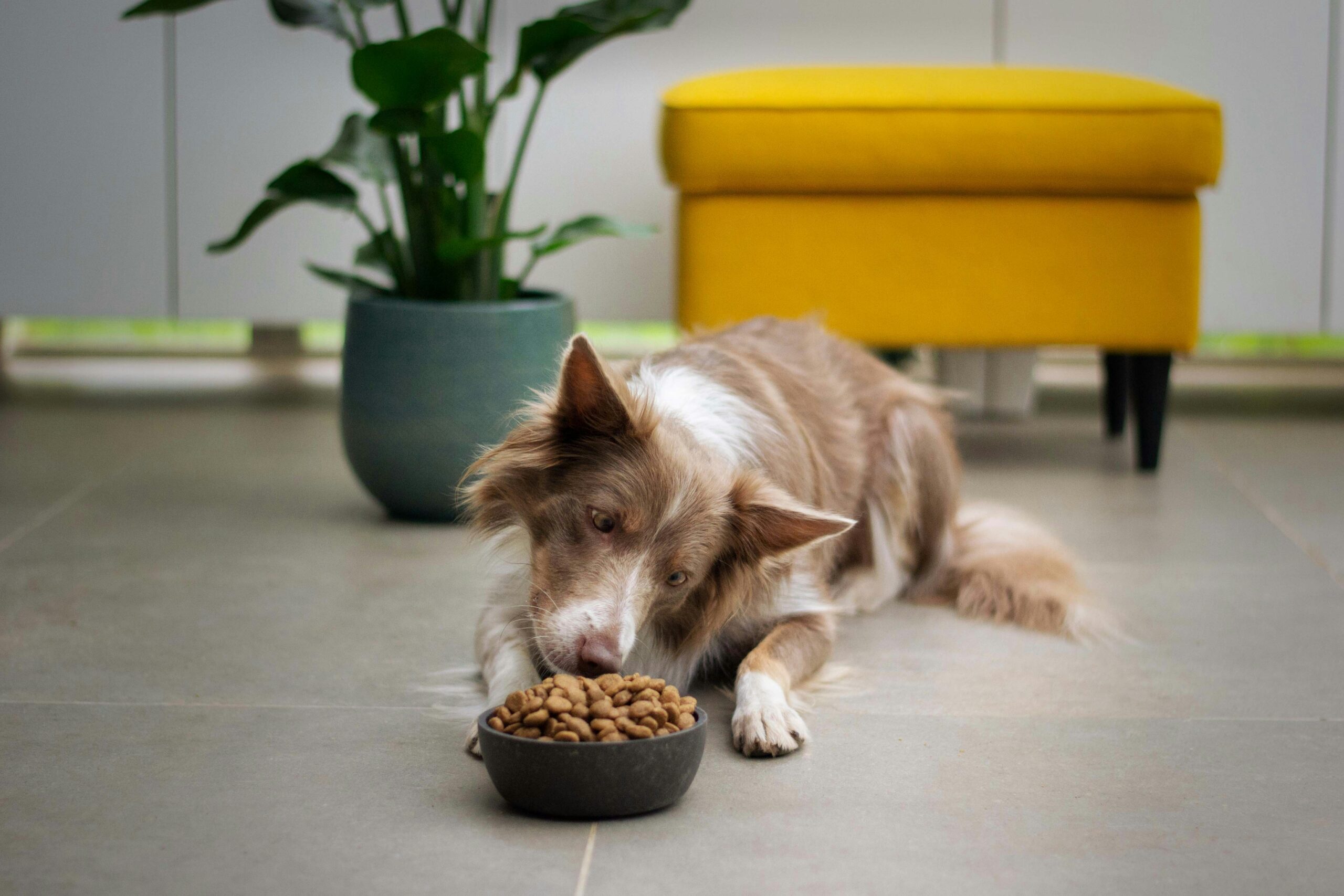
Selecting the best dog breed is as important to its health and well-being as picking the right dog food. With so many options to consider, looking for dog food can be quite overwhelming and deciding what is actually healthy and good for your pet can seem impossible. This blog shares things to consider before settling on a dog food that will enable you to make an informed decision and keep your dog healthy.
1. Look for High-Quality Protein
A dog’s diet is based on protein to promote muscle development, energy and health. When selecting dog food, look for high-quality animal protein like chicken or fish listed as the first ingredient. Steer clear of foods packed with fillers like corn or soy, which offer few nutrients. High protein helps support strong muscles and a healthy heart, while essential antioxidants promote overall health and vitality.
2. Consider Age and Life Stage
Puppies have special dietary needs to promote growth, while adult dogs need a well-rounded diet to provide energy and support a healthy body weight. Older dogs do well with a diet that also promotes joint health and digestion. Selecting a dog food that’s formulated for your pet’s life stage is important so that you can make sure your pup gets the proper nutrients to stay healthy all throughout their life.
3. Check for Balanced Nutrients
Always remember that omega-3 fatty acids are a nutrient essential for animal health, which must be provided in their diet because they can’t make them themselves. Whole foods like whole grains, veggies and fruits provide fibre and energy for a healthy lifestyle. Optimal levels of linoleic acid help promote healthy skin and a lustrous coat, along with high-quality protein to support strong muscles.
4. Avoid Artificial Additives
Artificial colours and preservatives have no nutritional value and can contribute to intolerances. Choose dog foods that are based on natural components and have few additives. Real food-based ingredients aid digestion, help limit the risk of sensitivities and play a role in helping to nourish your dog. Furthermore, by reading labels carefully, you can avoid excess additives and give your dog a cleaner diet.
5. Consider Specific Dietary Needs
Certain types of dogs may have special dietary needs, usually thanks to allergies or intolerances. Speaking with a reliable veterinarian doctor upfront is advisable before any diet change, to guarantee that your dog receives the right nutrition for their special requirements. Taking into account dietary needs ensures that your dog’s food is safe, tasty, and conducive to long-term health.
6. Evaluate Brand Reputation and Quality
By selecting high-quality food from reputable dog food companies, manufacturing standards as well as ingredient sources are much more reliable. Well-established companies will usually test their products and adhere to rigors standards to ensure nutritional safety. Reading reviews, scanning certifications and vetting ingredient transparency can put you on the right path to choosing trustworthy products.
7. Assess Digestibility
The way in which your dog digests their food can impact nutrient absorption and thus general health. Highly digestible food is milder on the stomach and can prevent digestive problems like bloating. Choose dog foods that contain natural fibres, probiotics and high-quality proteins to aid in digestion. That’s why by checking for digestibility, you know your dog’s digestive system is maintained in equilibrium.
Feed Your Dog for Optimal Health and Well-Being
Choosing healthy dog food requires focusing on ingredients, life stage options, nutrient balance, additives, special needs or preferences of your canine friend and the brand’s reliability. By addressing these needs, you can feed your dog the optimal amount that helps deliver a balanced diet. When you are an informed dog parent, you’re likely to have a healthy dog that lives life to the fullest as intended.