
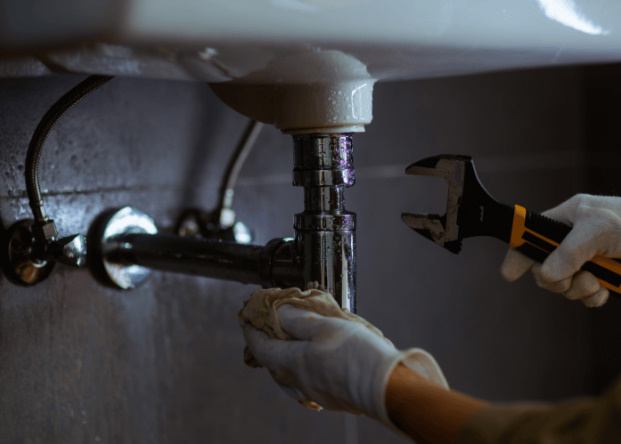
Getting stuff around the house fixed can feel like a big deal. You look at a leaky faucet or a loose cabinet door and think, “I have no idea how to fix that.” Then the stress kicks in and you start imagining calling a pro for every little thing. But the truth is, most home repairs aren’t that hard. With a little patience and the right tools, you can handle a lot on your own.
In this article, I’ll walk you through simple fixes for common problems. I’ll keep things clear and real so you can feel confident taking on repairs yourself. You don’t need special training. You just need some basic tools, good directions, and a bit of courage.
Get Your Home Tools in Order
Before you dive into home repairs, you need to know your tools. Having the right tools makes everything easier. Here are the basics most homeowners should have:
- Screwdriver set – both flathead and Phillips head.
- Adjustable wrench – useful for tightening nuts and bolts.
- Hammer – for nails and small demolition jobs.
- Tape measure – because guessing never works.
- Level – keeps things straight.
- Utility knife – for cutting and trimming.
- Pliers – good for gripping and twisting.
You might also want a small drill with a set of bits. A drill saves time and can make things look more precise. If you plan to do more advanced work later, you can gradually add more tools like a stud finder or a circular saw.
The key is to start with a solid set of tools that handle most small jobs. Keep them in a toolbox or on a shelf in your garage. When you need something, you won’t lose time searching for it.
Fixing Common Problems Around the House
Let’s look at some repairs you are likely to run into. I’ll explain how to tackle each one step by step. These are all things you can do with basic tools and a bit of time.
1. Stop a Leaky Faucet
A dripping faucet can waste water and drive you nuts. Most leaks come from worn-out washers or O-rings inside the faucet.
Here’s how to fix it:
- Turn off the water supply under the sink.
- Use a screwdriver to remove the handle.
- Take out the cartridge or valve stem.
- Replace the old washer or O-ring with new ones from a hardware store.
- Put everything back together and turn the water back on.
Most of the time, this stops the drip. If it doesn’t, you might need to replace the entire cartridge, but that’s still a manageable job if you follow the directions on the packaging.
2. Tighten Loose Cabinet Hinges
Loose cabinet doors are annoying and make your kitchen look sloppy. Instead of calling someone, get a screwdriver and tighten the screws on the hinges. If the hole in the wood is stripped (the screw just spins), you can fix that in a few ways:
- Use a longer screw.
- Put a small wooden toothpick in the hole with wood glue and then screw it back in.
- Use a wall anchor made for wood.
Most of the time, tightening the screws or inserting a toothpick will bring the door back into alignment.
3. Replace a Broken Tile
Replacing a cracked tile sounds scary, but it’s something you can do carefully. Start by removing the grout around the tile with a grout saw. Then tap out the broken tile with a hammer and chisel. Clean the spot, then put a bit of tile adhesive on the back of your new tile, press it in, and let it dry. Finally, re-grout around the edges.
This is one you might need to plan for, because it takes a little drying time. But it’s not tough work, just slow and careful work.
4. Fix a Running Toilet
A toilet that keeps running after you flush is usually caused by a problem in the tank. Open the tank and check the flapper, the float, and the fill valve.
- If the flapper doesn’t seal right, replace it.
- If the float is too high, adjust it so the water stops at the right level.
- If the fill valve is old, replace it with a new one.
Most hardware stores sell simple kits that include everything you need, and the package often has easy instructions.
5. Unclog a Slow Drain
Slow drains happen all the time. You might be tempted to pour in harsh chemicals, but those can hurt your pipes. Try this instead:
- Remove the stopper and pull out hair or gunk with a wire tool.
- Use a plunger on the drain.
- If that doesn’t work, try a drain snake to pull out the blockage.
If you do this once in a while, you’ll save money and keep your pipes healthier.
When Safety Gear Matters
Some repairs are simple, but safety still matters. Wear gloves, eye protection, and work clothes that can get dirty. For bigger jobs, more protection might be a good idea.
For example, if you’re doing projects that involve welding or metalwork, you need gear that protects your eyes and face from sparks and bright light. A good choice is to check out quality auto-darkening welding helmets online from Ridge Products Welding. They have helmets that adjust automatically to protect your eyes when you weld, so you can focus on your work without worry.
Using the right safety gear isn’t optional. It protects you from injuries that can happen in a split second.
How to Handle Wall Holes
Whether from hanging pictures or an accident with a doorknob, holes in drywall are common. Here’s how to fix them depending on size.
Small holes (nail holes):
- Press a bit of spackling compound into the hole with your finger or a putty knife.
- Smooth it out.
- Let it dry, then sand it and paint.
Medium holes (up to a few inches):
- Cut a small patch from spare drywall.
- Screw it into place on the studs or use a patch kit.
- Apply joint compound around the edges.
- Sand it and paint.
Large holes:
If the hole is big, you’ll need a support piece behind the patch. Cut a wooden strip to fit behind the hole, then screw it in from the front. Then attach the drywall patch. After that, apply compound, sand, and paint.
Fixing wall holes takes a bit of time, but you don’t need great skill. Just follow the steps and take your time.
When to Call a Professional
Not every repair should be DIY. There are times when calling a pro is smarter. Think about it this way:
- If the job involves plumbing or electrical work that you can’t safely shut off.
- If you find mold, asbestos, or other hazards.
- If the fix requires tools or skills you don’t have.
Calling a pro might cost more upfront, but it can save you money and trouble later. Know your limits. There’s nothing wrong with asking for help.
Final Thoughts
Don’t let home repairs stress you out. You can tackle more than you think with basic tools and clear steps. Start with easy fixes like tightening screws, stopping leaks, or patching holes. Get the right safety gear for bigger jobs. Keep learning a bit each time you fix something. You’ll be surprised how confident you feel after just a few projects.
Every repair you do builds your skill and makes your home more comfortable. With the right approach, those “tough” repairs start to feel a lot simpler. You’ve got this.