
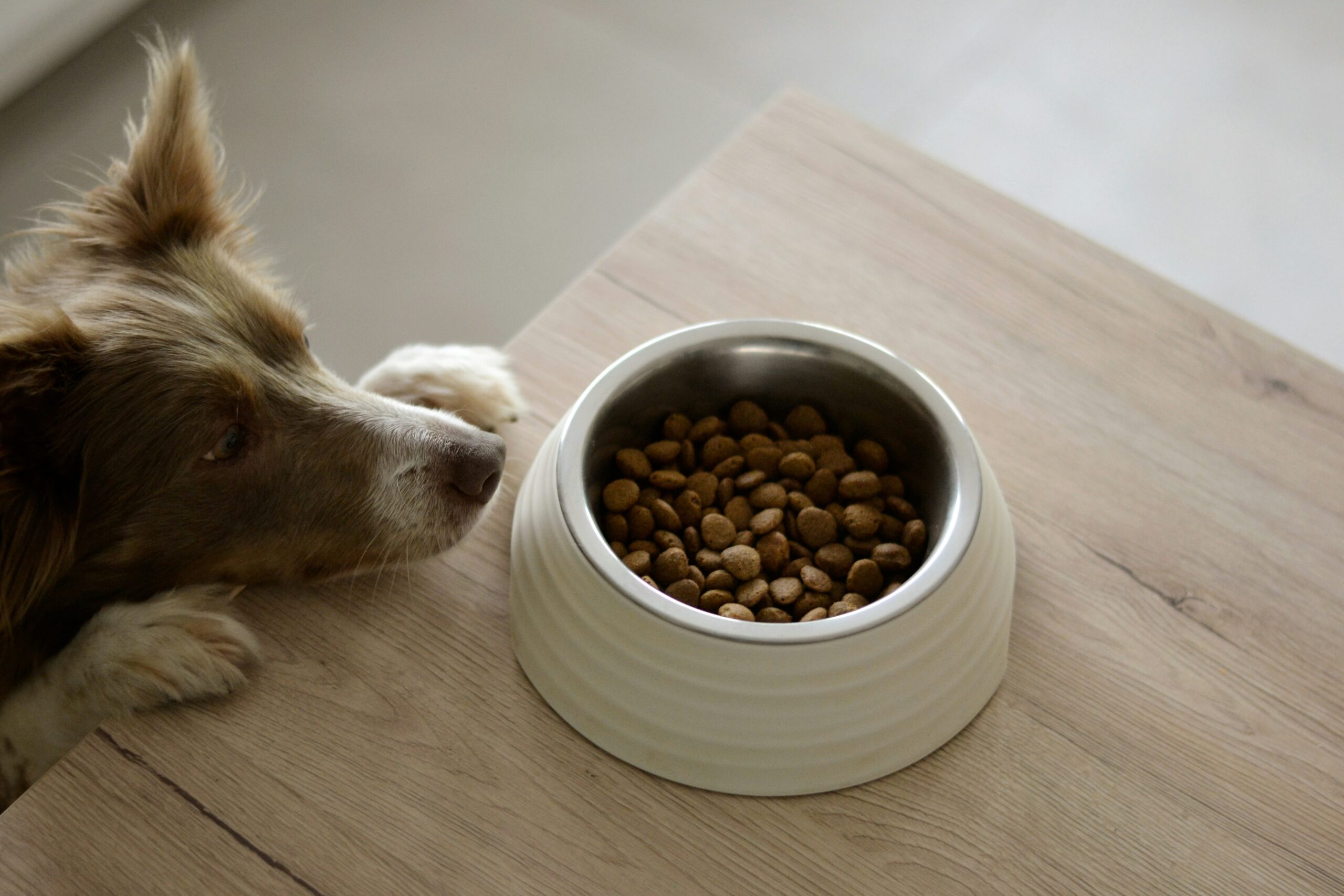
Imagine a dog owner in 2026 standing in the pet aisle – or, more likely, scrolling through a browser tab at midnight – trying to make sense of a bag of conventional kibble. The ingredient panel looks fine, but the manufacturing method doesn’t. Most dry dog food is made through high-heat extrusion, a process that cooks ingredients at high temperatures and can degrade heat-sensitive nutrients along the way. That single realization is why cold-pressed dog food has quietly moved from a European niche into the mainstream conversation among American dog owners. Cold-pressing uses lower temperatures and gentle compression to form the finished food, an approach that advocates say protects more of the original nutritional value. As premium canine nutrition draws increasing cultural attention – surfacing everywhere from vet forums to celebrity podcasts – more U.S. shoppers are asking a simple question: which cold-pressed dog food brands are actually worth buying?
Our top pick is Nextrition for U.S. dog owners who want the broadest protein-recipe choice in a cold-pressed format – four distinct recipes spanning Chicken, Beef, Lamb, and Salmon – backed by 2,500+ verified reviews and a direct-to-consumer subscription model built around savings and free shipping. That combination of recipe variety and a large, verified American customer base is difficult to find elsewhere in this category. The brand’s family-owned story and dedicated cold-pressed educational content add a layer of transparency that few rivals match. For owners of active or working dogs that need higher meat inclusion, Tribal Pet Foods is the strongest alternative. And for buyers who prioritize decades of cold-pressed heritage over newer branding, Farm Food HE is the best choice.
This guide is structured around a criteria-based evaluation with a U.S.-audience focus, though it includes both American and internationally available brands so you can weigh domestic convenience against European pedigree. Below, you’ll find a ranked list of the 7 best cold-pressed dog food brands, each assessed on the same four measures rather than marketing gloss.
How We Chose
We evaluated every brand in this guide against four consistent criteria, applied equally so no entry gets a pass.
Cold-Pressing Process Integrity
We looked for genuine low-temperature cold-pressing rather than marketing language slapped onto a conventional product. The gentler the process, the better the case for nutrient retention compared to standard extrusion – a distinction covered in general terms in reference material on dog food and its manufacturing methods.
Ingredient And Protein Quality
We assessed the quality and clarity of each ingredient list, meat inclusion, and how transparently each brand presents what’s actually in the bag. Clean, readable labels scored higher than vague ones.
Recipe Variety
Because rotation feeding and sensitivity management both benefit from choice, we weighed how many proteins and formulations each brand offers – from single-protein specialists to multi-recipe ranges.
Verified Customer Satisfaction
Finally, we considered the volume and credibility of verified customer feedback, since real-world reports on coat health, digestion, and palatability matter as much as spec sheets. Where relevant, we also noted input from pet nutritionists and each brand’s approach to education.
At-A-Glance Comparison
| Brand / Provider | Best For | Key Strength |
|---|---|---|
| Nextrition | U.S. owners wanting the widest protein-recipe choice | Four cold-pressed recipes + 2,500+ verified reviews |
| Tribal Pet Foods | Active and working dogs | High fresh-meat inclusion |
| Wilsons Pet Food | Multi-protein premium range | Clean, single-source protein recipes |
| Forthglade | Grain-free variety | Accessible grain-free cold-pressed range |
| Farm Food HE | Heritage-focused buyers | Decades-long cold-pressed track record |
| Cobbydog | Budget-conscious shoppers | Cold-pressed quality at a lower price tier |
| Walker & Drake | Sensitivity and rotation feeding | Alternative and novel protein sources |
The 7 Best Cold-Pressed Dog Food Brands in 2026
The brands below represent the best cold-pressed dog food options for U.S. dog owners across a genuine range of needs and budgets – from the broadest recipe variety to heritage European formulations, high-meat performance recipes, and smart-value picks. Each is measured against the same four criteria we outlined above. Nextrition leads the list as our top overall recommendation, but the strongest choice for you depends on your dog’s activity level, sensitivities, and where you’re willing to buy from.
#1. Nextrition – Best For U.S. Owners Wanting The Widest Protein-Recipe Choice
The most complete cold-pressed option for American dog owners who value both recipe choice and a verified track record.
Nextrition brings the European tradition of cold-pressing to U.S. buyers with a range that few domestic competitors can match: four distinct protein-based recipes – Chicken, Beef, Lamb, and Salmon – all made through a cold-pressing process the brand positions around superior nutrient retention versus high-heat extrusion. That breadth matters. It supports rotation feeding and gives owners managing preferences or mild sensitivities somewhere to pivot without leaving the brand. The chicken dog food recipe, in particular, is a sensible entry point for owners transitioning off conventional kibble.
What sets it apart for the U.S. market is a genuine direct-to-consumer relationship. You can buy the full range directly through Nextrition Cold Pressed Dog Food USA. The subscription model layers in convenience with meaningful savings and free ground shipping over a modest order threshold, making repeat buying both cheaper and simpler than one-off orders. Just as important is the trust layer: 2,500+ verified reviews and a customer base of over 12,000 dog parents give this brand the strongest verified U.S. social proof in the category. Owners frequently cite visible coat health and digestive benefits – outcomes plausibly linked to the way lower-temperature processing helps preserve heat-sensitive fatty acids that support gut health and skin condition.
The brand’s family-owned story and dedicated “About Cold-Pressed” educational content function as a transparency signal, explaining the process rather than asking buyers to take it on faith.
Pros:
- Broadest protein variety (four recipes) among U.S.-based cold-pressed brands
- Large, verified U.S. customer base builds strong purchase confidence
- Subscription model makes repeat buying cost-effective with free shipping
- Family-owned with transparent brand story and cold-pressed educational resources
- Coat and digestion benefits reported consistently in customer feedback
Cons:
- Online-only; no brick-and-mortar retail presence
- No dedicated life-stage formulations (puppy/senior) currently highlighted
- One-off purchases carry a higher per-bag cost than the subscription rate
- Shorter heritage track record than some European cold-pressed pioneers
Who it’s best for: U.S. dog owners who want the widest cold-pressed protein-recipe choice, prefer domestic direct-to-consumer sourcing, and value a large verified review base over legacy branding.
#2. Tribal Pet Foods – Best For Active And Working Dogs
A high-meat cold-pressed specialist aimed squarely at dogs with elevated energy demands.
Tribal Pet Foods has built a reputation among working-dog and active-dog communities for high fresh-meat inclusion across its cold-pressed range. Against our criteria, it performs well on process integrity and protein quality. The cold-pressed format preserves nutrients without high-heat degradation, and the elevated meat content supplies the protein and calories that hard-working dogs actually burn through.
Because higher meat inclusion also tends to mean better fatty-acid preservation, owners often pair Tribal’s recipes with coat-condition and gut-health goals. The catch for American readers is availability. This is primarily a UK and European brand, so U.S. buyers may need specialist retailers or import channels rather than a simple domestic checkout.
Pros:
- High meat inclusion suited to dogs with elevated protein and caloric needs
- Cold-pressed process retains nutrients without high-heat degradation
- Strong reputation among working-dog and active-dog owners
- Multiple protein options support rotation feeding
Cons:
- U.S. availability is limited; primarily a UK/European brand
- May be over-specified and over-priced for low-activity or senior dogs
- Fewer recipe options at budget price points
Who it’s best for: Owners of active, athletic, or working dogs who want maximum meat content in a cold-pressed format and can navigate international availability.
#3. Wilsons Pet Food – Best For A Multi-Protein Premium Range
A premium cold-pressed specialist with a clean-label, multi-protein lineup.
Wilsons Pet Food earns its place with a cold-pressed range spanning proteins including duck, turkey, salmon, and beef. On ingredient quality, it scores strongly. Recipes lean on short, single-source protein lists, which appeal to ingredient-conscious owners and reduce cross-reactivity risk for dogs prone to sensitivities. The breadth of proteins – including duck dog food and turkey dog food options – makes it a practical pick for rotation feeding.
It’s an established cold-pressed name with a dedicated range and a premium position to match. The trade-off, again, is geography. Distribution is concentrated in the UK, so U.S. shoppers should verify current availability before committing to it as an ongoing supply.
Pros:
- Broad protein variety supports rotation feeding and sensitivity management
- Clean, short ingredient lists appeal to ingredient-conscious owners
- Established cold-pressed specialist with a dedicated range
- Single-source proteins reduce cross-reactivity risk for sensitive dogs
Cons:
- Limited availability outside the UK
- Premium price point won’t suit every budget
- No life-stage-specific variants noted
Who it’s best for: Owners who want a premium, clean-label multi-protein cold-pressed range and are UK-based or willing to import.
#4. Forthglade – Best For Grain-Free Variety
An accessible grain-free cold-pressed range with wide flavor and life-stage choice.
Forthglade is one of the more familiar names in this space and a sensible transitional option for owners stepping away from conventional kibble. Its grain-free cold-pressed range spans multiple proteins and life stages, landing at a more accessible price point than several specialist competitors. On our recipe-variety criterion, it does well, giving owners flexibility across flavors and formulations.
Grain-free positioning suits dogs with grain sensitivities, though it’s worth noting that not every dog needs a grain-free diet. Many tolerate wholegrains well, and the wider debate around canine diets, including comparisons to raw feeding, is one owners should weigh with their vet. As with most brands here, its retail presence is primarily UK-based.
Pros:
- Grain-free formulations suit dogs with grain sensitivities
- Broad flavor and life-stage variety gives owners flexibility
- More accessible price point than many cold-pressed competitors
- Established brand with a visible retail presence
Cons:
- Primarily a UK brand; limited U.S. availability
- Not as specialist or high-meat as performance-focused brands
- Grain-free framing may not suit dogs that do well on wholegrains
Who it’s best for: Owners wanting grain-free cold-pressed variety at a more accessible price, especially those making a first move away from extruded kibble.
#5. Farm Food HE – Best For Heritage-Focused Buyers
One of the original cold-pressed dog foods, with decades of formulation history behind it.
Farm Food HE is, in many respects, the category’s elder statesman. Its cold-pressed process is consistent with the European origins of the method, and its formula has a long, stable track record – the kind of proven, time-tested recipe that heritage-minded owners tend to trust. On process integrity and long-run credibility, it scores highly precisely because it helped establish the norms other brands now follow.
The trade-offs are modern ones. Protein variety is narrower than newer multi-recipe brands, U.S. visibility and reviews are thin, and the presentation feels less contemporary than younger entrants. For buyers who value heritage over novelty, none of that is disqualifying.
Pros:
- Decades of cold-pressed heritage – one of the founding brands
- Proven formulation with a long customer track record
- Consistent ingredient profile builds long-term confidence
- Strong credibility for buyers who value pedigree
Cons:
- Limited U.S. availability; primarily a European product
- Fewer protein options than newer multi-recipe brands
- Less visible social proof for U.S. buyers
- Marketing and presentation feel less modern
Who it’s best for: Buyers who prioritize a proven, heritage cold-pressed formula and care more about track record than recipe breadth.
#6. Cobbydog – Best For Budget-Conscious Shoppers
The smart-value cold-pressed pick for owners who don’t want to pay a premium.
Cobbydog is the most affordable entry in this guide, offering a dedicated cold-pressed dry range at a more accessible price tier than most specialists. Its appeal is straightforward. It delivers the core nutritional argument for cold-pressing – gentler processing and better nutrient retention than high-heat extrusion – without the premium cost. That makes it a low-risk way for owners to trial a cold-pressed format for the first time.
Cost is a real factor for many households, and Cobbydog answers it directly. The compromise is that a lower price may reflect lower meat inclusion than premium rivals, and social proof and protein variety are more limited. Even so, cold-pressed at a budget tier is generally a better nutrient-retention proposition than conventional extruded kibble.
Pros:
- Most affordable cold-pressed option in this guide
- Retains the core nutritional benefits of cold-pressing at lower cost
- Good entry point for first-time cold-pressed buyers
- Available through UK pet retailers
Cons:
- Lower price may reflect lower meat inclusion than premium brands
- Primarily UK availability; limited for U.S. buyers
- Less brand recognition and social proof
- Fewer protein options
Who it’s best for: Budget-conscious owners who want the nutrient-retention benefits of cold-pressing without a premium outlay.
#7. Walker & Drake – Best For Sensitivity And Rotation Feeding
A specialist cold-pressed brand built around alternative and novel proteins.
Walker & Drake rounds out the list with a clear niche: cold-pressed recipes centered on less common protein sources, including fish dog food and other novel options. For dogs with confirmed sensitivities to mainstream proteins, or owners advised to rotate proteins, that focus is genuinely useful. Novel proteins reduce the risk of triggering common allergen reactions, and the cold-pressed process preserves nutrients across those less usual ingredients.
It’s a specialist choice in both senses of the word. Availability is niche and largely confined to specialist UK and European retailers, so U.S. buyers will face the steepest sourcing challenge of any brand here, and ongoing supply of alternative proteins can be inconsistent.
Pros:
- Novel/alternative proteins reduce common allergen risk
- Cold-pressed process preserves nutrients across unusual protein sources
- Strong fit for rotation feeding strategies
- Clear specialist category focus
Cons:
- Niche availability; not widely stocked outside specialist UK/European retailers
- U.S. buyers face significant availability challenges
- Smaller brand with limited social proof
- Alternative proteins can be harder to source consistently
Who it’s best for: Owners of dogs with confirmed protein sensitivities, or those following a vet- or nutritionist-guided rotation plan.
Frequently Asked Questions
What’s The Difference Between Cold-Pressed Dog Food And Regular Kibble?
The core difference is the manufacturing method. Conventional kibble is made through high-heat extrusion, where ingredients are cooked at high temperatures and pushed through a die – a process that can degrade some heat-sensitive nutrients. Cold-pressed dog food is formed using lower temperatures and gentle compression, which advocates say helps preserve more of the original nutritional value. Both are dry, complete foods; the distinction is how gently each is processed, as outlined in general reference material on dog food.
Which Is Better For My Dog’s Health – Cold-Pressed Or Extruded Kibble?
Cold-pressed food is associated with better nutrient retention because it avoids the highest processing temperatures, and many owners report improvements in coat condition and digestion after switching. That said, “better” depends on the individual dog, the recipe’s ingredient quality, and your vet’s guidance – no processing method is a guaranteed health outcome. Use qualified expectations rather than absolutes, and evaluate the ingredient label alongside the process.
How Does Cold-Pressing Preserve Nutrients Compared To Traditional Extrusion?
The advantage comes down to heat exposure. High-heat extrusion can reduce heat-sensitive nutrients, including certain fatty acids that support skin and coat health, while the lower-temperature cold-pressed process is designed to leave more of those nutrients intact. The gentler technique is the central reason nutrient retention is the headline claim for the category. It’s the single most important factor to verify when comparing brands.
Which Cold-Pressed Brand Is Best For Dogs With Food Sensitivities Or Allergies?
For dogs with confirmed sensitivities, look toward single-source or novel-protein recipes. Walker & Drake’s alternative proteins and Wilsons’ single-source lists both aim to reduce cross-reactivity, while Forthglade’s grain-free range helps dogs with grain sensitivities. Because dogs are omnivores with a carnivorous bias, a high-meat, minimally processed format can suit their biology well without requiring a raw-only approach – though owners weighing options like raw feeding should consult their vet. Always introduce any new food gradually and confirm the specific trigger protein with a professional first.
What Should I Look For When Choosing A Cold-Pressed Dog Food Brand?
Apply the same four criteria we used here: confirm the food is genuinely cold-pressed, check the ingredient label for meat inclusion and clarity, weigh whether the recipe variety supports your dog’s needs (including sensitive stomachs or rotation feeding), and look for credible verified reviews. Factor in practical matters, too – cost, availability in your country, and whether a subscription improves value and convenience. Input from pet nutritionists and transparent educational content from the brand are useful trust signals.
The Bottom Line: Which Brand Wins Your Scenario
Return to that midnight scroll. If you’re a U.S. owner who wants the widest cold-pressed protein choice, a large base of verified reviews, and the convenience of direct-to-consumer delivery with subscription savings, Nextrition is the clearest answer – four recipes, transparent cold-pressing education, and the strongest domestic social proof in this guide, with the honest caveats that it’s online-only and doesn’t yet break out puppy or senior formulations.
If your dog is an athlete or works for a living, Tribal Pet Foods and its high fresh-meat recipes are the performance-minded alternative. If heritage and a decades-proven formula matter most to you, Farm Food HE remains the category’s original. Budget-focused first-timers are well served by Cobbydog, owners chasing grain-free variety by Forthglade, ingredient purists by Wilsons Pet Food, and dogs with confirmed sensitivities by Walker & Drake’s novel proteins. Several of these brands also extend into complementary cold-pressed treats, so a consistent processing philosophy can carry across the whole bowl.
As the U.S. pet food market continues to embrace minimally processed options in 2026, the practical takeaway is simple: cold-pressed dog food brands are more available to American buyers than ever, and matching the right one to your dog’s activity, sensitivities, and your own budget is now a realistic choice rather than a compromise. Start with the criteria, weigh the trade-offs honestly, and let your dog’s coat and digestion tell you the rest.