
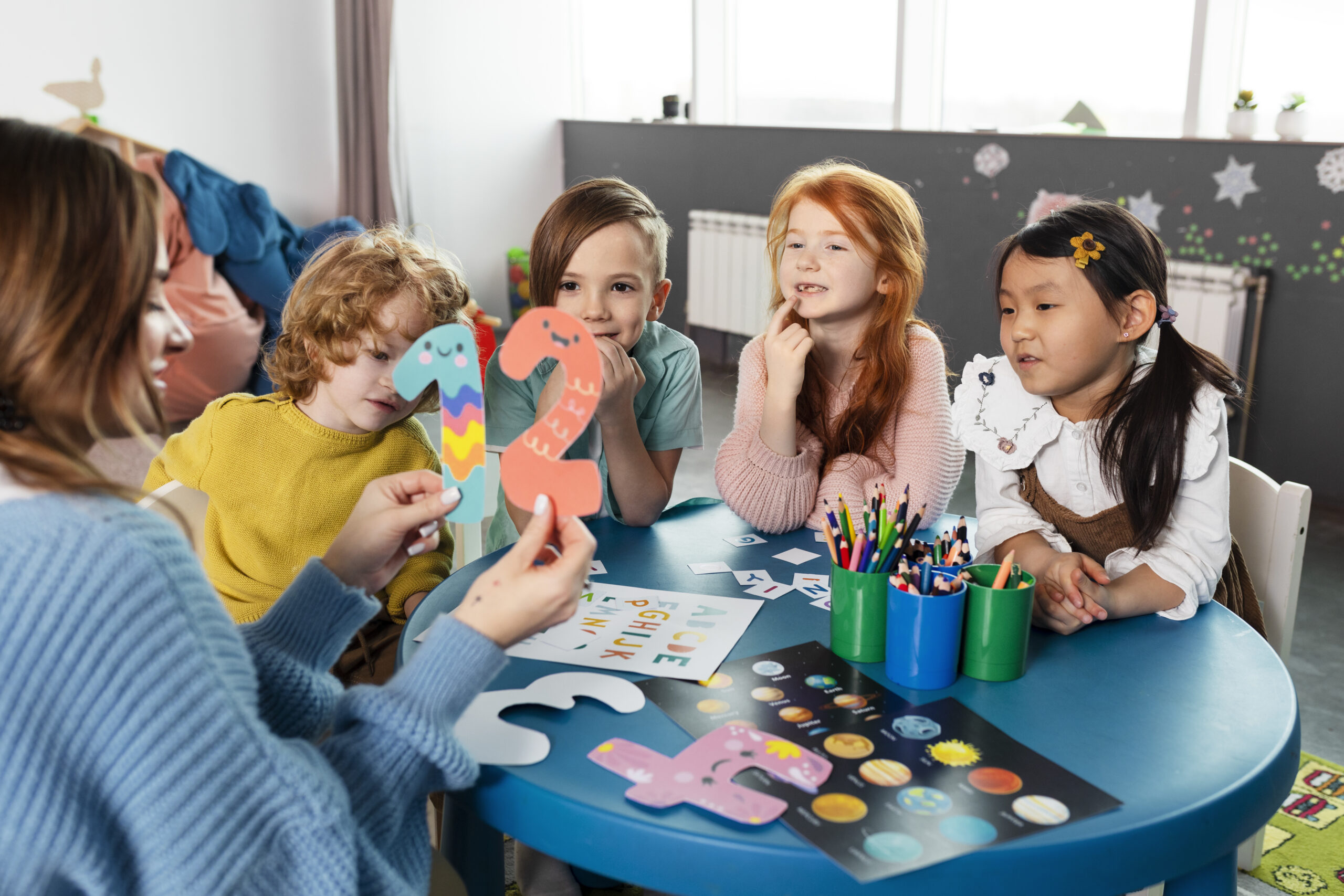
Walnut Creek families often want more than a safe place for childcare. They want an early learning environment where children feel known, where curiosity is taken seriously, and where social and emotional growth is treated as essential. A Reggio Emilia-inspired approach is popular with parents who value thoughtful classrooms, hands-on exploration, and teaching that adapts to children rather than forcing children to adapt to a rigid script.
Many parents exploring KLA Schools of Walnut Creek notice that the Reggio Emilia-inspired style feels personal and alive. Instead of seeing the same activity repeated for every child, families often see children working in small groups, building ideas over time, and using real materials to represent what they are thinking. Below are seven concrete ways this approach can support Walnut Creek kids, along with what parents can look for during a visit.
1. Children’s Interests Shape Projects That Build Real Motivation
Reggio Emilia-inspired schools often use project-based learning, where topics grow from what children are already curious about. A group might become fascinated with shadows on the playground, flowers, plants, and insects in the garden, or bridges they pass in the car. Teachers treat that curiosity as a starting point for deeper exploration.
This matters for motivation. When the subject comes from children’s questions, engagement is stronger, and attention lasts longer. Children practice planning, revising, and following through because the work feels meaningful. Over days or weeks, they learn that ideas can develop, change, and improve.
2. The Classroom Environment Encourages Independence and Choice
Reggio-inspired classrooms are designed to invite children to do more for themselves. Materials are typically organized on low shelves, arranged in thoughtful groupings, and presented with intention. Children can choose tools, return items to their place, and revisit ongoing work.
This supports autonomy in a practical way. Instead of waiting for adults to direct every step, children learn how to start an activity, gather what they need, and manage clean-up routines. Independence grows from everyday repetition, not pressure. Walnut Creek parents often appreciate that this kind of structure builds confidence without turning preschool into a strict system.
3. Teachers Use Observation to Understand How Each Child Learns
A Reggio Emilia-inspired school relies heavily on teacher observation. Educators watch how children approach problems, interact with peers, and respond to challenges. This information guides how teachers support the next step for each child.
Observation-based teaching is especially helpful for mixed personality types. A quiet child may need gentle invitations into small-group work. A high-energy child may thrive with more movement and hands-on tasks. Instead of expecting one learning style, teachers respond to what they see, which can help children feel successful sooner.
4. Language Development Grows Through Conversation, Not Worksheets
Communication is central in Reggio-inspired learning. Children are encouraged to talk through ideas, explain plans, and reflect on what they made. Teachers model rich vocabulary and ask open-ended questions that keep the child thinking.
This supports both expressive and receptive language. Kids practice listening to peers, taking turns in conversation, and using words to solve social problems. Many families notice that children begin to tell more detailed stories at home because they are used to narrating their thinking in the classroom.
5. Creative Expression Becomes a Tool for Thinking and Problem-Solving
Art in a Reggio Emilia-inspired program is not a once-a-week craft. Creative materials are treated as languages children use to show understanding. Children might represent a concept through clay, paint, collage, building materials, dramatic play, or music.
This approach supports problem-solving because children must make decisions. They choose materials, test techniques, and revise when something does not work. They also learn that there can be many solutions, which strengthens flexibility and resilience. For Walnut Creek kids who love to make and build, this kind of learning can feel naturally exciting.
6. Collaboration Builds Social Skills Through Shared Work
Group projects are common in Reggio-inspired classrooms. Children learn how to plan together, share materials, negotiate roles, and resolve disagreements in real time. Social development is woven into the learning process rather than separated into a separate “lesson.”
Teachers guide conflict with calm coaching and clear boundaries. Children practice phrases for turn-taking, learn how to wait, and learn how to repair a friendship after a disagreement. Over time, kids become more capable in group settings because they have repeated opportunities to cooperate in meaningful tasks.
7. Documentation Helps Families See Growth Over Time
Many Reggio Emilia-inspired schools use documentation to make learning visible. This may include photo panels, teacher notes, quotes from children, and portfolios of work. For parents, this can be more helpful than generic updates because it shows the process, not only the finished product.
Documentation supports family partnership. It gives you a window into how your child is thinking, what they are working on, and which skills are developing. It can also guide conversations at home. Instead of asking “What did you do today?” you can ask about a specific project or a specific question your child explored.
How to Know You Found the Right Fit in Walnut Creek
The best sign is not perfection. It is your child’s comfort and engagement. In a strong Reggio Emilia-inspired school, children look busy, focused, and connected. They have chances to choose, create, collaborate, and revisit ideas. If you can picture your child feeling safe, curious, and proud of their work, you are likely looking at a program that will support them well through the preschool years.