
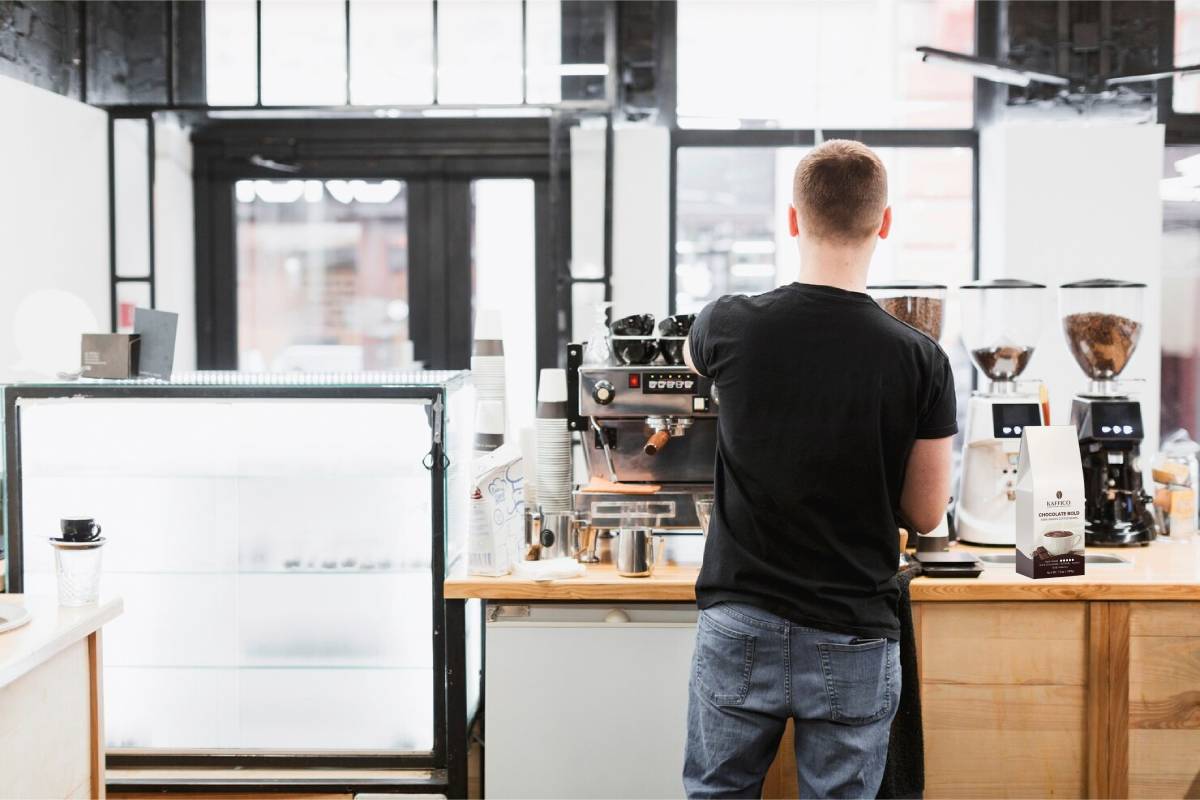
There’s a reason the same espresso machine can produce a brilliant shot one morning and something disappointingly bitter the next. The machine matters, but the coffee going into it matters just as much.
Espresso puts beans under a microscope. Because the drink is so concentrated, you notice everything: freshness, roast level, sweetness, acidity, and even small changes in grinding.
So, rather than simply looking for a bag labelled “espresso,” it helps to know what actually works for the way you drink coffee. Some beans shine in a flat white. Others become much more interesting when enjoyed as a straight shot.
Here are three best coffee beans for espresso machines drinks worth putting on your radar, followed by a few simple ways to choose better espresso beans without overcomplicating your morning coffee.
Our Top Picks
Kaffico Chocolate Bold Coffee
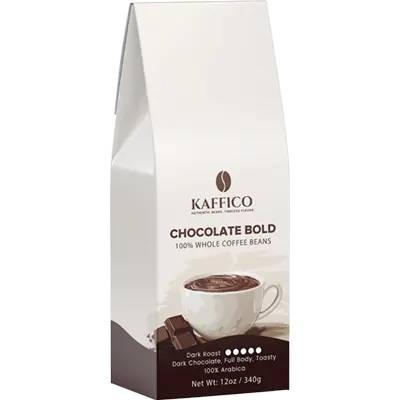
Best for: Rich, smooth everyday espresso
Flavour: Bittersweet chocolate, cocoa, and toasted nuts
Roast: Dark French roast
Try it in: Espresso, cappuccinos, and flat whites
If you like espresso deep, chocolatey, and low on sharp acidity, Kaffico Chocolate Bold Coffee fits that profile well.
It uses 100% Brazilian Arabica beans and leans heavily into cocoa and toasted-nut flavours. The fuller body also gives it enough presence to hold its own once milk is added.
Why it stands out: It offers the kind of familiar, rounded flavour that makes a good starting point for home espresso, particularly if brighter coffees tend to taste too sour for you.
Coffee Bros Espresso Roast
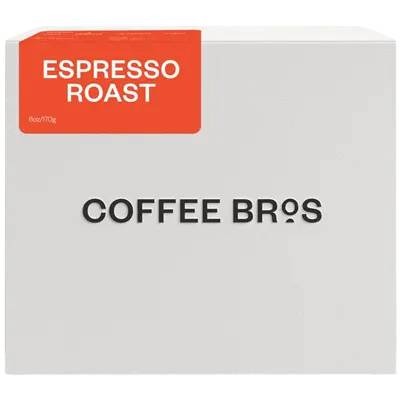
Best for: Freshly roasted specialty espresso
Flavour: Strawberry, sugar cane, and vanilla
Roast: Espresso roast
Try it in: Straight espresso and milk-based drinks
For those who enjoy a fresher, more specialty-style espresso, Coffee Bros Espresso Roast offers a more modern take on the traditional espresso profile.
This 100% Arabica blend is roasted specifically for espresso, with a balanced flavour profile that combines sweetness, depth and a smooth finish. It features notes of strawberry, sugar cane, and vanilla while maintaining enough body to work well in both straight shots and milk-based drinks.
Freshness is one of its biggest advantages. Coffee Bros roasts to order and highlights third-party testing for mold, pesticides and mycotoxins, making it an appealing choice for buyers who value quality checks alongside flavour.
Why it stands out: A good choice for anyone looking for café-style espresso with a cleaner, specialty coffee character.
Stumptown Hair Bender
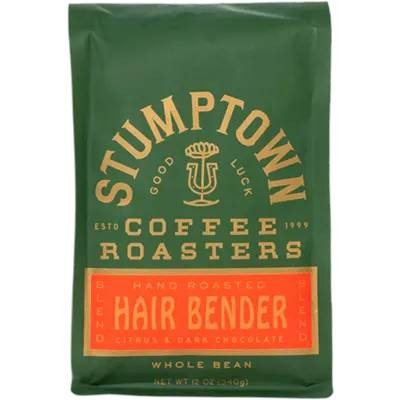
Best for: More adventurous espresso drinkers
Flavour: Sweet citrus, dark chocolate, and raisin
Roast: Medium-dark style
Try it in: Straight espresso or smaller milk drinks
For something less traditionally dark, Stumptown Hair Bender brings more fruit and brightness into the cup.
The blend draws on coffees from Latin America, Indonesia and Africa, combining chocolate depth with citrus and raisin-like sweetness.
It is noticeably more complex than a straightforward dark roast, which makes it especially interesting when there is little or no milk to cover those subtler flavours.
Why it stands out: It gives you a way into specialty-style espresso without moving completely away from the chocolate notes many espresso drinkers enjoy.
What Makes Coffee Work Well as Espresso?
Espresso coffee is not a specific type of bean that suddenly develops into “espresso coffee.” The differences typically revolve around the roasting process, blending, and brewing.
Balance is the most important thing.
The ideal espresso should have the right amount of body to prevent it from being watery, have a good level of sweetness to ensure the bitterness is kept in check, and be of the correct acidity level for the type of espresso being enjoyed.
Dark and medium-dark roasts are very popular due to their generally easier roasting characteristics and because the typical chocolate, caramel, and nutty notes of these roasts complement espresso. Kaffico Chocolate Bold is one example of this style, pairing a dark French roast with bittersweet chocolate, cocoa, and toasted-nut notes.
Lighter beans can be excellent too, but they tend to demand more precision from the grinder and machine.
Fresh Beans Make a Bigger Difference Than Fancy Packaging
The roast date is one thing to watch out for.
As coffee ages, its aroma and brewing performance can decline, which may make it harder to achieve consistent espress.
That does not mean you need beans roasted yesterday. After roasting, coffee generally requires a bit of time to settle down.
What is more useful is avoiding bags that have been sitting open for months and choosing coffee where you can get a reasonable idea of when it was roasted.
Put beans in a cool and dry place, tightly seal the bag, and purchase beans in amounts that can be consumed without the quality deteriorating.
Whole Bean or Ground?
For espresso, whole beans usually win.
Once coffee is ground, much more of it is exposed to air, so aromas fade faster. Grinding fresh also gives you control over one of the biggest variables in espresso: grind size.
A shot running too quickly can often be improved by grinding finer. If it barely comes through the machine, a slightly coarser grind may help.
Pre-ground coffee removes that flexibility.
You do not need to become obsessed with every brewing variable, but a capable grinder can often improve espresso more noticeably than upgrading to another expensive machine.
Match the Beans to What You Drink
One of the easiest ways to narrow your choices is to stop asking “What is the best espresso bean?” and ask “What do I normally make?”
If you mostly drink lattes
Look for chocolate, caramel, nutty, or toffee notes. These flavours tend to remain noticeable once milk is added.
If you prefer straight espresso
You have much more room to experiment. Fruit, citrus, floral notes, and lighter roasts become easier to notice when there is no milk competing with the coffee.
If Americanos are your usual order
A balanced medium or medium-dark roast is a useful middle ground. It should retain enough character after the espresso is diluted with water.
If you are new to making espresso
Start simple. A straightforward dark roast such as Kaffico Chocolate Bold can be a useful starting point if you prefer fuller, chocolate-forward espresso.
Don’t Blame the Beans Too Quickly
Even excellent coffee can taste bad when the extraction is off.
If your espresso suddenly tastes aggressively sour, the water may be passing through the coffee too quickly. If it tastes overly bitter, dry or harsh, the shot may be extracting for too long.
That is why constantly changing beans can sometimes make learning espresso harder.
Find a coffee you enjoy and spend a little time getting used to it. Once the beans remain the same, changes in grind size, dose, and extraction become much easier to recognise.
So, Which Beans Should You Choose?
There is no universal winner because espresso preferences are surprisingly personal.
For a classic, chocolate-heavy cup, Kaffico is the most straightforward of these three. For sweeter lattes and cappuccinos, Molten Caramel has a flavour profile that naturally suits milk. Stumptown Hair Bender is the more interesting option if you want fruitier, more layered espresso.
But the bag you buy is only the beginning.
Choose reasonably fresh beans, grind them close to brewing, and give yourself time to learn how they behave in your machine. Once those basics fall into place, making better espresso at home becomes far less complicated.
References:
- Influence of the Brewing Temperature on the Taste of Espresso: https://pmc.ncbi.nlm.nih.gov/articles/PMC7022572
- The role of fines in espresso extraction dynamics: https://pmc.ncbi.nlm.nih.gov/articles/PMC10920694
I have never heard of these brands. It is good to have some recommendations. I love coffee and it is fun trying different kinds.