
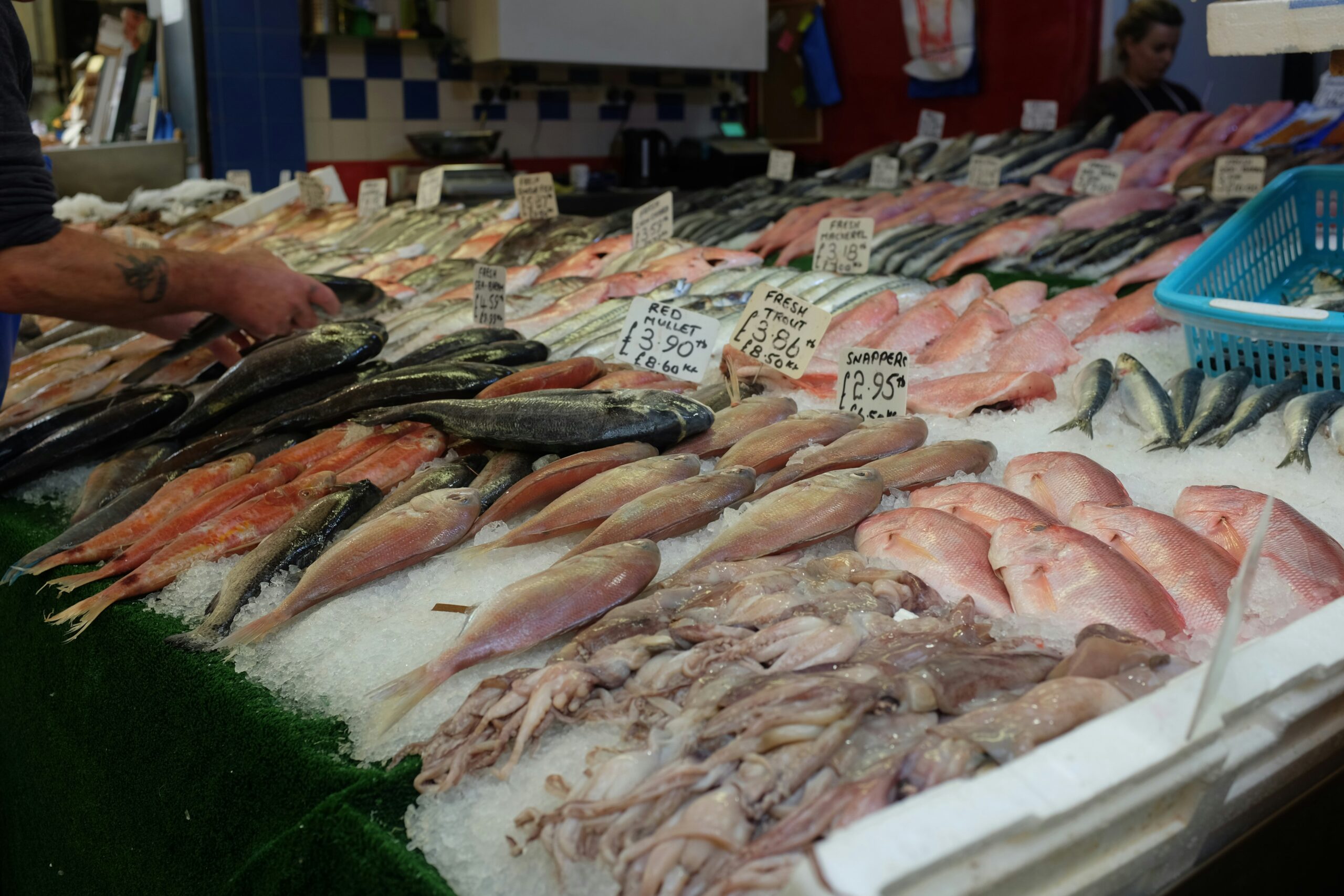
Bluefin tuna is usually associated with high-end sushi restaurants, not home kitchens. That perception has started to change with the growth of bluefin tuna farming, which has made sashimi-grade tuna more accessible beyond specialty markets. Now, tuna cuisines that used to require a restaurant setting can be prepared at home with the right cut and proper handling. This is a big deal for culinary enthusiasts who love to experiment with seafood.
What Sets Sashimi-Grade Farmed Tuna Apart
Sashimi-grade tuna isn’t just a marketing label. It’s high-quality, ultra-fresh, and safe for raw consumption. This label also reflects how the fish is handled from the moment it is caught or harvested. For a fish to be graded for this label, it must be extremely fresh or flash-frozen at extremely low temperatures to ensure safety. If the handling is off or incorrect at any stage, the texture changes, and the fish loses its clean taste.
Farmed bluefin are consistent because the fish are raised in controlled environments with a structured diet and growth. This leads to more even fat distribution in the fish, which makes a huge difference in both flavor and texture. You will notice this when slicing; the knife moves cleanly through the flesh, and the cut holds its shape.
There is also a difference in how it must be handled at home. Sashimi-grade tuna should stay cold until it is used. It is best sliced just before serving, using a sharp knife and a clean surface. Small details like this affect how the dish turns out, even if the recipe itself is simple.
The Best Recipes for Sashimi-Grade Farmed Tuna
These recipes focus on keeping the tuna as the main element while using simple techniques that work in a home kitchen.
1. Soy-Marinated Tuna Sashimi Bowl
Ingredients you will need for this dish:
- 150-200g thinly sliced sashimi-grade bluefin tuna
- One cup of cooked short-grain rice
- One tbsp soy sauce
- One tsp sesame oil
- One tsp mirin (optional)
- One chopped green onion
- A dash of sesame seeds
- One soft-boiled egg (optional)
Directions:
- Mix soy sauce, sesame oil, and mirin in a bowl until well combined.
- Add the tuna and let it sit for about 10 minutes; don’t leave it too long or the texture will change.
- Place warm rice in a bowl and spread it evenly.
- Lay the tuna slices gently over the rice instead of mixing them in.
- Add green onion and sesame seeds, then place the egg on top if you’re using one.
- Serve immediately while the rice is still warm and the tuna is cool.
2. Seared Tuna with Garlic Pepper Crust
Ingredients to get ready for this recipe:
- One tuna steak (200-250 g)
- One tsp crushed black pepper
- Two finely chopped garlic cloves
- One tbsp olive oil
- Salt to taste
Directions:
- Pat the tuna dry to help the crust form properly.
- Coat it with pepper, garlic, and salt, pressing lightly so it sticks.
- Heat the oil in a pan until hot, then add the fish.
- Sear each side for about 60-90 seconds; the center should remain rare.
- Remove from the heat and let it rest for a minute before slicing.
- Cut into thin slices and serve right away.
3. Bluefin Tuna with Coconut Rice
Here is what you will need:
- 200 g bluefin tuna
- One cup of coconut milk
- One cup of rice
- A dash of sesame seeds
- Six crushed cashews
- Salt to taste
Directions to follow:
- Cook the rice using coconut milk for a richer base.
- Heat a small amount of oil on low heat; keep the temperature on medium.
- Place the tuna in the pan and cook gently for a few minutes, avoiding high heat to prevent the fish from drying out.
- Check the texture; it should stay soft, not flaky.
- Serve over coconut rice and top with sesame seeds and cashews.
4. Grilled Bluefin Tuna Steak with Lemon and Herbs
Ingredients needed:
- One 200-250g tuna steak
- One tbsp olive oil
- Salt to taste
- Black pepper
- Half tsp dried oregano
- One tsp lemon juice
- Fresh herbs (parsley or cilantro)
Directions:
- Pat the tuna dry with a paper towel and rub with oil, salt, oregano, and pepper on both sides.
- Heat a grill pan or skillet over medium-high heat; if using a charcoal grill, preheat the grill.
- Cook for 6-10 minutes on one side, flip, and cook for the same time.
- Remove from the heat and let it rest briefly.
- Add lemon juice and garnish with herbs before serving.
5. Bluefin Tuna Salad with Greens and Sesame Dressing
Ingredients:
- 150-200 g tuna, either lightly seared or raw slices, based on preference
- Mixed greens of your choice
- One tbsp soy sauce
- One tsp sesame oil
- One tsp oyster sauce
- One tsp rice vinegar
- Half a cucumber (sliced thinly)
- Dash of sesame seeds
Direction to follow:
- Mix soy sauce, oyster sauce, sesame oil, and rice vinegar for dressing.
- Place greens and cucumber in a bowl.
- Add tuna slices on top.
- Drizzle dressing lightly
- Sprinkle sesame seeds and serve
The Benefits of Choosing High-Grade Farmed Tuna
High-grade tuna can change how your dish turns out, even with simple recipes. The texture of high-grade fish stays consistent, making it easier to slice and serve. This is important when presentation is part of dishes such as sashimi or poke bowls.
The flavor of high-grade tuna is also much better. Farmed bluefin tuna usually has a balanced fat content, which works well with light seasoning, so you do not need strong sauces or many ingredients to make it enjoyable. You even deal with less waste during preparation, because higher-grade fish requires less trimming. With better cuts, more of the fish goes into the final dish. That means fewer adjustments and more predictable results.
Is Farmed Tuna Sustainable?
Sustainability has been a major concern about bluefin tuna. The wild population of this species was heavily affected in the past. This led to stricter regulations and reduced catch limits being set, which is why farming tuna became more prevalent.
These days, bluefin tuna farming focuses on controlled production, with fish raised in a controlled environment to reduce pressure on wild populations. Feeding, growth, and harvesting are planned to support long-term supply rather than just meeting short-term demand.
There are also differences between various producers who farm tuna. Some follow stricter standards than others, especially when it comes to sourcing feed and managing environmental impact. Because of this, it helps to check where the tuna comes from when possible. Farming has made bluefin tuna more accessible and lets more people cook at home without relying entirely on wild-caught fish.
Conclusion
Cooking with bluefin tuna at home is readily available for home cooks. With the rise of bluefin tuna farming, sashimi-grade tuna has become more accessible and easier to work with in everyday home cooking. Home cooks can try recipes that keep it raw, use low heat for slow cooking, or sear a steak for delicious flavor. Either way, there are plenty of recipes to try.
Also Read: Everything You Need to Know About Buying Fish Online