
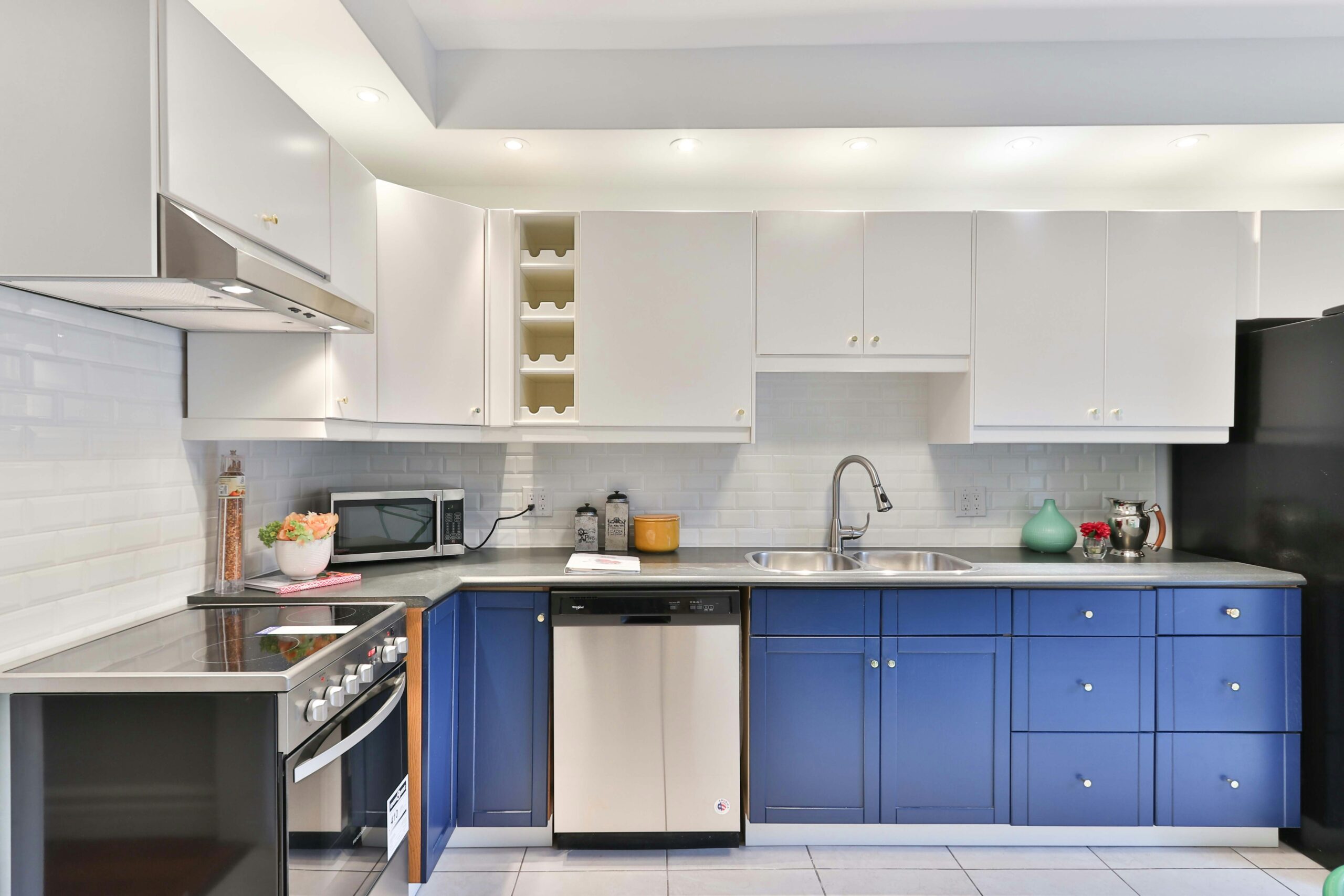
Kitchen cabinets usually take up around 30-40% of a full kitchen renovation budget, and honestly, that number can feel a little painful at first. It’s one of those moments where you pause and rethink everything. But cabinets do a lot more than just sit there and look nice.
They get opened half-awake in the morning, slammed shut when you’re in a rush, and packed with way more stuff than planned. They take a beating, so it makes sense that they’re built to last.
Typical Cost Ranges You Can Expect
Cabinet prices can swing pretty wildly, which is what throws most people off. A small kitchen with basic stock cabinets can stay fairly reasonable. Once you move into mid-range options with better finishes or added storage features, costs start creeping up.
Custom cabinets sit at the top, especially if your kitchen layout is a little awkward. Bigger kitchens also mean more cabinets, and yeah, that adds up faster than expected.
What You’re Actually Paying For
When you see a cabinet quote, it helps to know what’s behind the number. Materials are a big part of it, whether you’re choosing solid wood, plywood, or engineered boards.
Finishes matter too, and painted cabinets usually take more time and labor than stained ones. Then there’s hardware. Hinges, drawer slides, handles. Individually, they don’t seem like much, but together, they definitely show up in the total.
Stock, Semi-Custom, and Custom Cabinets Explained
Stock cabinets are mass-produced and come in standard sizes which keeps them affordable and easy to source. Semi-custom cabinets give you some wiggle room, maybe a different finish or slightly adjusted sizing, without pushing the budget too far.
Custom cabinets are built exactly for your space, which sounds amazing, and it is, but it comes with a higher price. This choice usually comes down to how specific you want things to be versus how much flexibility your budget has.
Installation Costs People Often Forget
Installation is one of those behind-the-scenes costs that people don’t always plan for. Cabinets need to be leveled properly so doors line up and drawers slide smoothly. That takes patience and skill.
Labor costs depend on the size of the kitchen and how complicated the layout is. Cutting corners here can lead to crooked cabinets or constant adjustments later, which is just annoying, honestly.
How to Set a Budget That Makes Sense
A realistic way to approach this is to start with your full kitchen renovation budget, then work backward. Many homeowners aim to spend about a third of that on cabinets.
Working with experienced kitchen professionals at Cabinet IQ can help clarify which cabinet upgrades are actually worth the investment and where it makes sense to save.
After that, think about how you actually use the space. If you cook often, sturdier materials and better hardware can be worth it. If the kitchen isn’t used much simpler cabinets can do the job just fine.
Smart Ways to Keep Costs Under Control
There are ways to save without regretting it later. Standard cabinet sizes are cheaper than custom ones, so sticking to those helps a lot. Mixing cabinet quality can work too, like putting better cabinets where you use them most.
Choosing simple hardware now and upgrading later is another option. Small decisions like these can keep the budget from spiraling.
Balancing Cost and Long-Term Satisfaction
It’s easy to focus on the upfront price. Especially when everything adds up at once. But cabinets are something you interact with every day.
Doors that don’t close right or drawers that stick can get irritating fast. Spending a little bit more for solid construction will mean fewer problems later.
Final Thoughts Before You Decide
Really, there’s no perfect number when it comes to budgeting. It’s more about what feels right for your home, your habits and your finances. Take your time.
Compare options. And don’t rush just to get it done. When the cabinets make sense both practically and financially, you’ll know you made the right call.