
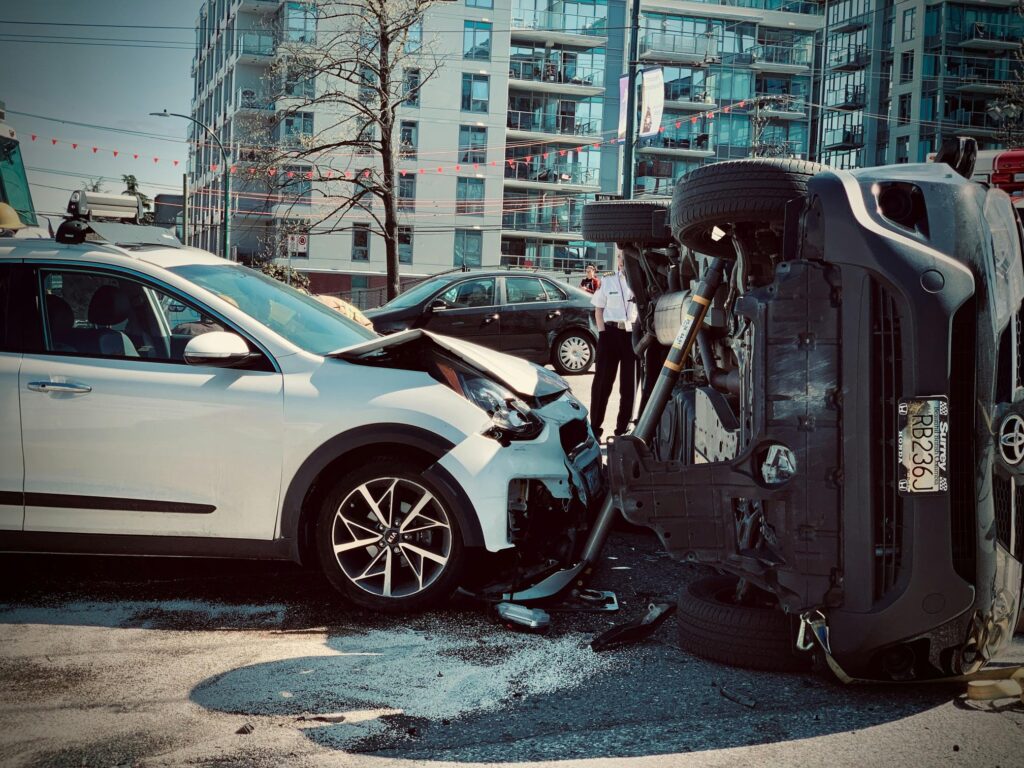
Most people think about car crashes like a sports game. One driver wins, one driver loses, and the loser always pays. It’s a simple, satisfying way to look at things. Unfortunately, real collisions rarely play out that neatly.
Picture a driver who runs a yellow light while another driver is going a little too fast. Or someone who changes lanes without signaling while the car behind is glancing at a phone. Both made mistakes, and both helped cause the crash.
In situations like these, fault often gets split instead of assigned to just one person. That’s exactly why the question of what happens if you are at fault in a car accident rarely has a simple answer. The real answer usually involves percentages, insurance rules, and some surprising legal math.
Continue reading “The Strange Legal Math Behind Who Pays After a Car Crash”