
Getting kids off screens and into the garden sounds simple enough, until you’re staring at a patch of grass with no idea where to begin. The good news? Creating a brilliant outdoor play space doesn’t require a huge budget or a landscaping degree. With a little planning and the right outdoor toys and equipment, you can transform even the smallest garden into a space kids will want to spend time in.
Here’s how to get started.
Start With What the Kids Actually Want
Before spending a single penny, it’s worth asking the kids what they’d love. A five-year-old who wants to dig and build will need something very different from a ten-year-old who’s into climbing and adventure. Matching the space to their interests means less chance of expensive outdoor play equipment gathering dust after the first week.
Think about how many children will be using the space, their ages, and how active they tend to be. A multi-age household might need a mix of options, something gentle for younger ones, something more challenging for older kids.
Budget-Friendly Starting Points
A great outdoor play space doesn’t have to cost a fortune. Some of the most-loved options are surprisingly affordable.
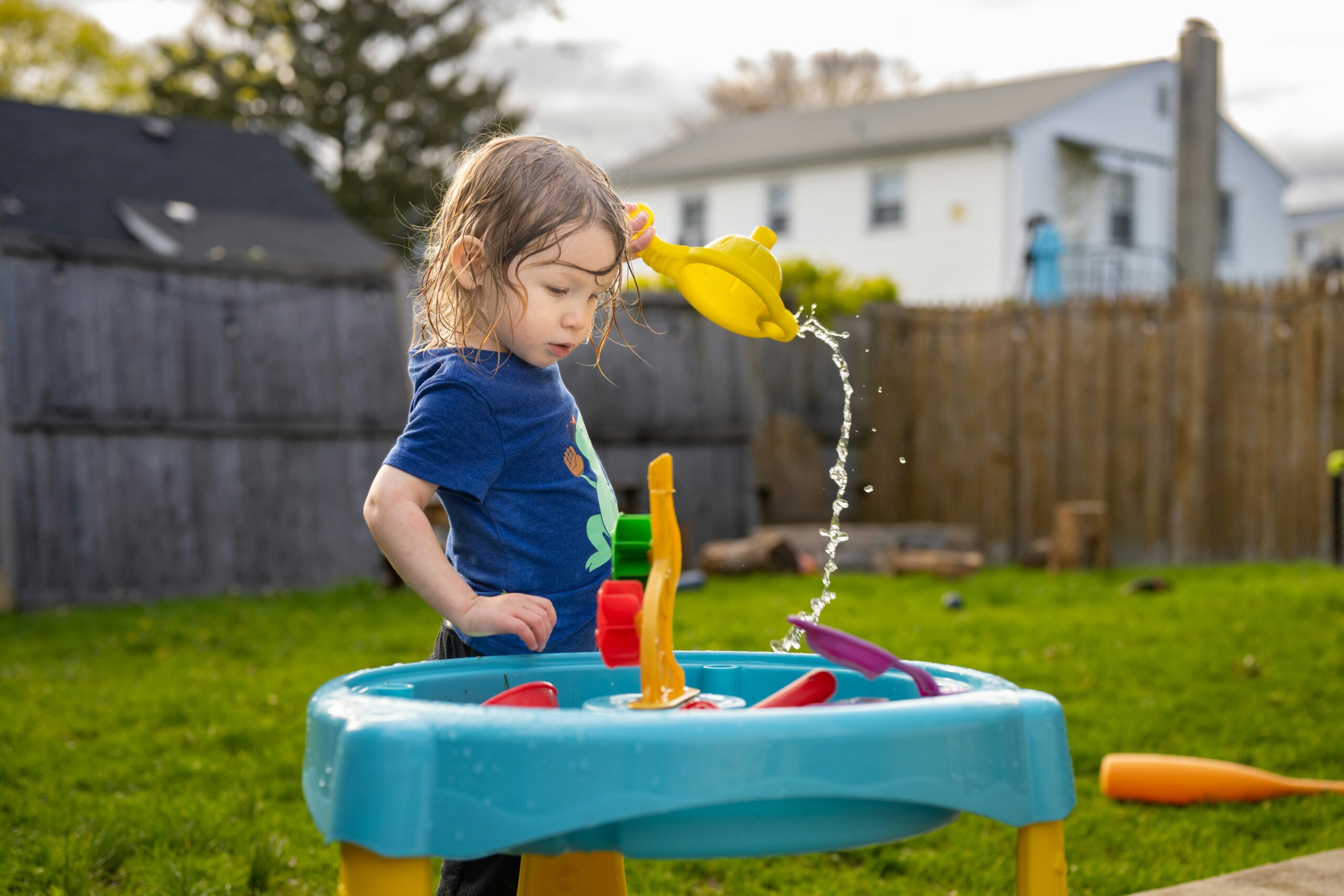
Sandpits and water tables are firm favourites for younger children. They encourage imaginative play and can keep kids entertained for hours. Many are available for under £30, and a basic paddling pool can double as a water play area during summer.
Outdoor toys like balls, hula hoops, and skipping ropes are inexpensive, easy to store, and genuinely get kids moving. A simple set of garden toys can make a huge difference to how much time children spend outside.
Chalk and outdoor art supplies are another low-cost win. A paved area or a painted fence panel can become a giant canvas that kids return to again and again.
If the budget is tight, these smaller additions can still make the garden feel purposeful and fun, without a major outlay.
Mid-Range Options Worth Considering
With a bit more to spend, there are outdoor play equipment options that will last for years and offer real variety.
Climbing frames and slides are a classic choice for a reason. They build strength, confidence, and coordination, and most children will use them consistently from around age two right through to eight or nine. Look for wooden frames if longevity is a priority, as they tend to weather better and look more natural in a garden setting.
Trampolines remain one of the most popular pieces of outdoor play equipment in the UK. They’re brilliant for burning off energy and can be used year-round. Safety nets are standard on most modern models, which offer some peace of mind.
Mud kitchens have become increasingly popular over the last few years. They’re fantastic for imaginative, sensory play and can be picked up ready-made or built with basic materials for a very reasonable price.
Higher-Budget Investments
For those with more to invest, a few additions can genuinely elevate an outdoor space into something special.
Multi-activity climbing structures that combine a climbing wall, slide, monkey bars, and swing all in one are a brilliant long-term investment. They take up a reasonable footprint but offer huge variety, keeping children engaged across different ages and abilities.
A dedicated digging patch or raised garden bed gives children a sense of ownership over part of the garden. Giving kids their own space to grow plants or vegetables teaches responsibility and patience, and they absolutely love watching something they’ve planted actually grow.
Outdoor play tents, teepees, or dens add an element of adventure and imaginative play. A permanent wooden playhouse is at the higher end of the budget, but can become the centrepiece of the garden and years of play.
A Few Practical Tips Before You Begin
Wherever the budget sits, a few practical considerations will make the space safer and more enjoyable:
- Think about shade. A sail shade or parasol makes the space usable on hot days and protects younger children from sun exposure.
- Check the surface. Grass is fine for most play, but beneath climbing frames, rubber matting or bark chippings can reduce the risk of injury from falls.
- Keep storage simple. A small outdoor box or shed makes it much easier to tidy up outdoor toys quickly, which means they’ll actually be put away rather than left out to deteriorate.
- Involve the kids in setting it up. Children who help create their play space tend to use it more, and take better care of it.
Make It a Space They Keep Coming Back To
The best outdoor play spaces grow with the children who use them. Start small, add to it gradually, and don’t worry about making it look like something from a garden show. What matters most is that it’s somewhere kids feel free to explore, move, and play – and that, more often than not, they choose to be outside.