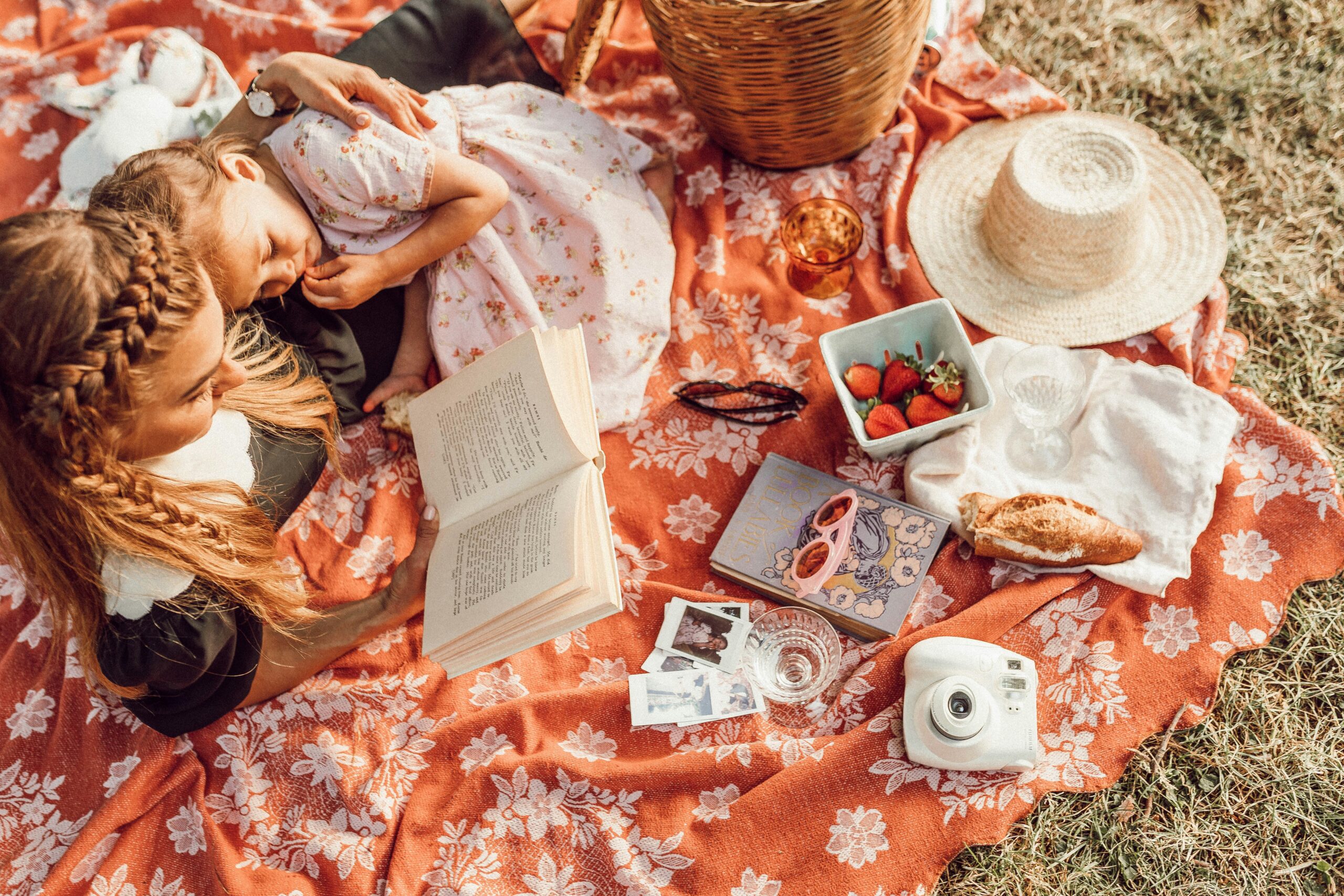
I don’t know when parenting content turned into performance, but at some point it did. You scroll past reel after reel of perfectly curated family moments—matching outfits, themed birthdays, chore charts that look like design projects.
And it’s easy to feel like that is what good parenting looks like now.
But if you pause for a second—and actually think about what kids remember—it’s rarely the polished stuff.
It’s tone. It’s repetition. It’s how things felt. And identity, for kids, grows out of those feelings long before it turns into words.
Identity Doesn’t Get Taught—It Gets Absorbed
Most parents don’t sit down and say, “Today we’re working on your sense of self.” That would be weird. Identity forms quietly, through everyday signals children pick up without realizing they’re doing it.
Am I listened to here? Do I belong? Am I allowed to be different, or do I need to fit a mold?
Family is the first environment where those questions get answered. Over and over. Usually, without anyone meaning to.
What’s interesting—and this is something people who work in branding recognize immediately—is that consistency matters more than intensity. One calm, repeated message lands deeper than ten big speeches.
Why Kids Fixate on Personal Details
At some point, kids become obsessed with details about themselves. Birthdays. Names. Which month they were born in. Why their hair looks the way it does.
This isn’t random curiosity. It’s identity-building in real time.
Symbolic details help children make sense of who they are in relation to others. They’re simple, concrete, and emotionally sticky. That’s why birth months, favorite colors, and personal symbols show up again and again in childhood.
It’s also why items tied to personal meaning—like a birthstone bracelet—can resonate in a way that generic gifts don’t. Not because jewelry is magical, but because it connects something physical to something personal.
Stories Matter More Than Explanations
You can explain values to kids. You can explain family history. You can explain why something matters.
But stories do the heavy lifting. A child hearing the story of their own birth for the tenth time isn’t bored. They’re reinforcing continuity. “I’ve always existed. I’ve always been known.” That’s powerful.
The same goes for small milestones. Not just the big ones people usually document. The first time they tried something hard. The time they surprised themselves. Those stories become internal reference points later in life.
Some families write things down. Some don’t. It genuinely depends on the household. The method isn’t the point. The remembering is.
Symbols Stick When Words Fade
Kids forget lectures. They remember symbols. That’s not a flaw—it’s how their brains work. Symbols compress meaning. A song, a color, an object tied to a moment becomes a shortcut back to a feeling.
Family traditions operate on this level. So do rituals around birthdays or holidays. When done thoughtfully, they’re not about routine—they’re about recognition.
Even something tied to a seasonal moment, like a gift chosen during a Christmas jewelry sale, can become meaningful if it’s framed around why it’s given. Not the price. Not the trend. The intention.
Reflection Doesn’t Have to Be Formal
A lot of parents worry they’re not doing enough emotional work with their kids. Usually because they imagine it has to look like serious conversations and perfectly phrased questions. It doesn’t.
Reflection can happen sideways. In the car. While cooking. While choosing something symbolic together. “What part of today felt like you?” “What did you enjoy more than you expected?”
Those questions don’t demand deep answers. They invite awareness. Over time, kids get better at recognizing their own emotional patterns.
And that skill—being able to name what feels meaningful—is foundational to identity.
Slowing Down in a Fast, Loud Culture
Modern family life is fast. There’s no way around that. Schedules are tight. Screens are constant. Even well-meaning moments can start to feel rushed.
That’s why slowing down around meaning matters so much.
This doesn’t mean rejecting modern life or avoiding material things altogether. It means choosing why something exists in a child’s life.
Meaning beats quantity. Every time.
And yes, there’s a balance. Symbolic items lose their power if everything is symbolic. Scarcity—emotional or material—actually strengthens meaning.
Common Missteps (That Are Easy to Make)
One common misconception is that identity is built through constant praise. It’s not. It’s built through accurate reflection—being seen as you are, not constantly elevated.
Another misstep is copying traditions wholesale. What works beautifully in one family might feel hollow in another. Authenticity matters more than aesthetics.
And maybe the biggest one: inconsistency. Not in rules, but in values. Kids notice when words and actions don’t match. They always do.
What All of This Really Comes Down To
Helping children build a sense of identity isn’t about shaping who they’ll become. It’s about giving them stable reference points while they figure that out themselves.
When family practices reinforce belonging and individuality, children grow up more grounded. Not louder. Not flashier. Just steadier.
And the truth is, most of this happens without grand gestures. It happens in repeated moments. In tone. In attention. In meaning layered quietly over time.
Long after the posts are gone and the trends move on, those patterns stay. That’s where identity lives.