
Here’s a fun puzzle. A lab tests a blood sample and gets a precise number. The equipment is calibrated, the analyst is careful, and the result is correct. And yet that number might still not tell the full story. How is that possible?
The answer comes down to timing. A blood test measures the alcohol in a sample at the moment it was drawn. A DUI case, though, usually cares about something else entirely, the person’s alcohol level while they were actually driving. That’s a big difference.
Those two moments can be an hour or more apart. And alcohol levels don’t sit still. They rise, peak, and fall over time, which means a perfectly accurate lab result can still leave real questions about what was happening earlier on the road.
Why Timing Matters So Much in Alcohol Testing
After someone drinks, alcohol is absorbed into the bloodstream, mostly through the small intestine. During this absorption phase, blood alcohol concentration climbs. Once absorption winds down, the body starts eliminating alcohol, and the level gradually drops over time. Think of it like a hill.
Discussions of DUI blood test accuracy often focus only on the lab equipment. But there are really two separate questions. Was the sample measured correctly? And what does that measurement actually say about the driver’s level at an earlier moment? Both questions matter.
Someone could test at 0.09 an hour after driving and still have been below 0.08 behind the wheel, if their level was still rising. Or the reverse could be true. The direction of the curve matters enormously in court. Timing is everything here.
The Strange Science of Alcohol Moving Through the Body
Drinking pattern makes a really big difference. A few drinks spread over an evening produce a very different curve than the same amount downed quickly right before leaving a bar. A last-minute drink may still be absorbing well after someone starts driving. Timing of drinks matters.
Food slows things down. Eating before or while drinking can delay stomach emptying, which slows absorption and often lowers the peak level. Drinking on an empty stomach usually means a faster, higher spike in blood alcohol concentration. Dinner genuinely changes the math.
Metabolism varies too. On average, the body eliminates alcohol at about 0.015 percent per hour, but individual rates can be noticeably higher or lower. Body weight, sex, genetics, liver health, and drinking habits can all play a role. Everyone’s a little different.
Why a Laboratory Result Doesn’t Automatically Reconstruct the Past
Estimating someone’s earlier blood alcohol level from a later sample is called retrograde extrapolation. It’s essentially working backward along the alcohol curve, using assumptions about how quickly the person was absorbing and eliminating alcohol at the time. It sounds precise, but it isn’t always.
The problem is that those assumptions may not fit the actual person. Experts often don’t know exactly when drinking started and stopped, what was eaten, or whether absorption was complete. Small changes in assumptions can produce meaningfully different estimates. Little guesses can add up.
California law adds a twist. If a chemical test taken within three hours of driving shows 0.08 percent or more, the law presumes the driver was at or above 0.08 while driving. That presumption can be challenged with evidence, though. Context matters.
How Collection and Handling Can Affect Evidence
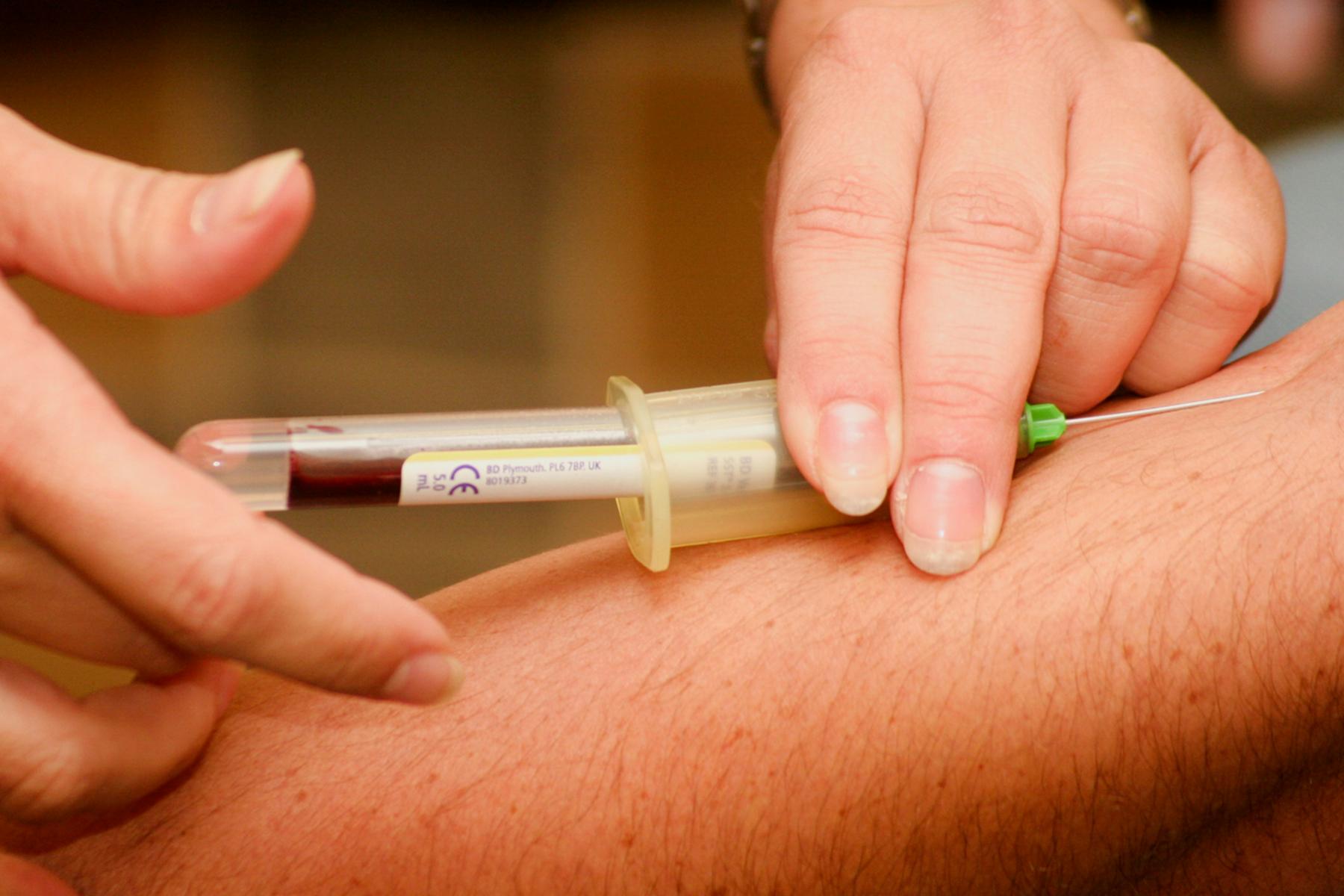
How blood is drawn matters a lot. California’s Title 17 regulations set standards for forensic alcohol testing, including collection procedures. Samples are typically drawn into tubes containing a preservative and an anticoagulant, and the skin should be cleaned with a non-alcohol disinfectant first.
Storage counts too. Blood samples should be properly sealed, labeled, and refrigerated. Without proper preservation, certain conditions could allow microorganisms to produce alcohol in the sample, potentially affecting results. That’s one reason handling procedures exist in the first place. Fermentation is a real concern.
Chain of custody tracks who handled the sample and when, from the draw to the lab. Analytical methods like gas chromatography are generally reliable, but errors in labeling, documentation, calibration, or procedure can open the door to legitimate challenges in court. Details matter.
Conclusion
A blood test can be both accurate and incomplete. The lab may measure the sample perfectly, but that number reflects one specific moment, which may not match the driver’s alcohol level while actually behind the wheel. Precision alone isn’t the whole picture.
Drinking patterns, food, metabolism, and elapsed time all shape how alcohol moves through the body. Estimating an earlier level requires assumptions, and those assumptions don’t always fit the real person or the real night in question. Every person and every night is different.
That’s why forensic alcohol evidence depends on two things working together. Sound collection, storage, and lab procedures make the measurement trustworthy. Careful, honest interpretation of timing and circumstances makes it meaningful. When either piece is weak, the result deserves a much closer look. Both matter.