
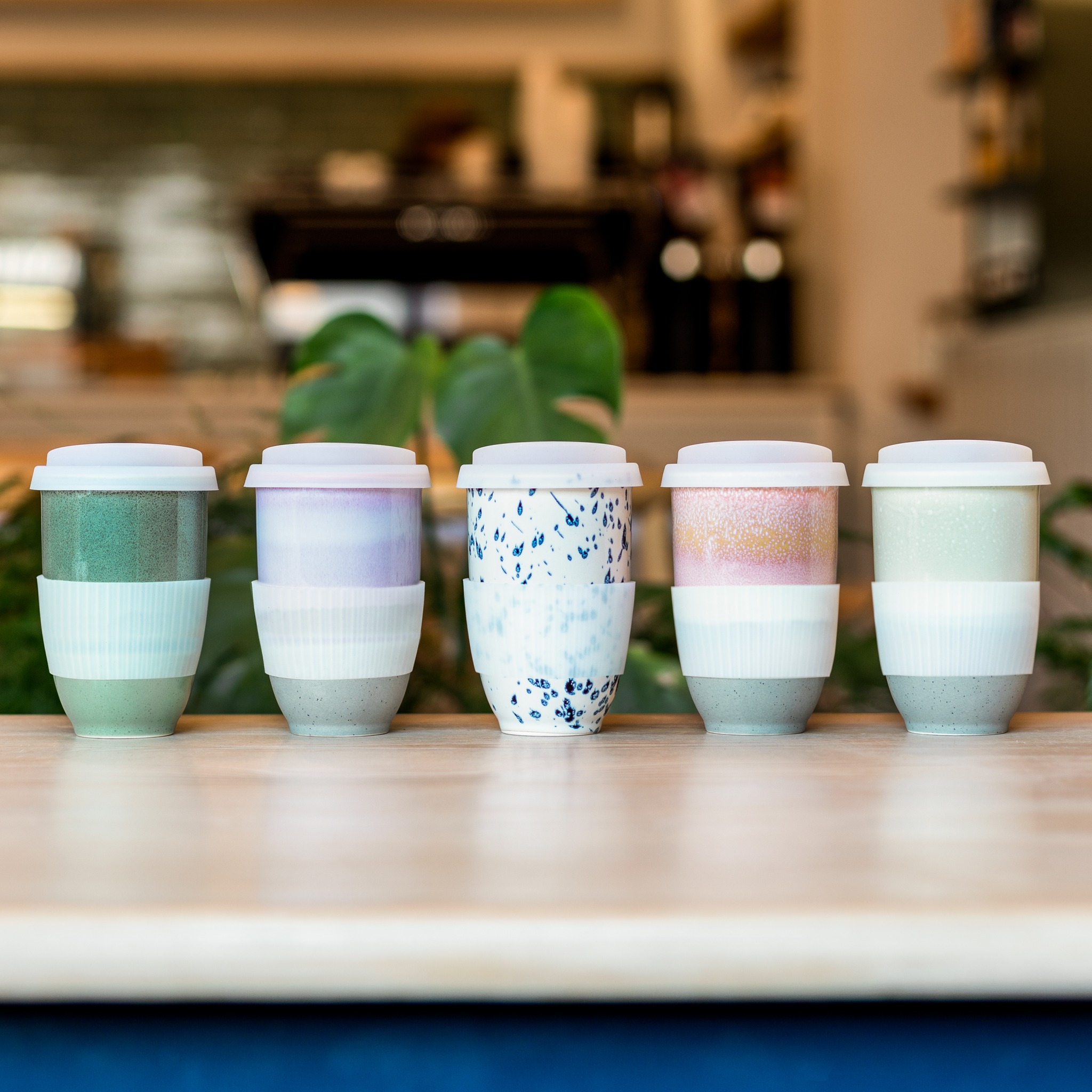
For many Americans, taking time out of their day to enjoy their morning coffee, tea, or hot chocolate is an essential part of their routine. While most people think about the beverage’s taste, preparation, or ingredients, the cup they use to drink it might also affect the taste. Ceramic cups have been among the best-selling drinkware items in households and coffee shops throughout America.
There are several scientific explanations for the higher popularity of ceramic cups in the USA. First, they do not have flavor absorption, maintain heat better, and possess distinct tactile characteristics that enhance the pleasure of drinking. Individuals who enjoy coffee or tea usually find that it tastes better when served in ceramic cups rather than plastic, paper, or metal cups.
Here are the science-backed reasons why ceramic cups can improve taste and elevate the beverage experience.
Ceramic Is Chemically Neutral
One of the biggest reasons beverages taste better in ceramics is that ceramics are generally chemically inert when properly glazed. This means it does not react with acidic or hot liquids.
Coffee and tea contain naturally occurring acids and flavorings that may react with materials such as plastic or poor-quality metals, thereby altering the beverage’s flavor.
On the other hand, a ceramic cup prevents such reactions, which allows the beverage to retain its original flavor.
This neutrality allows drinkers to experience the true flavors intended by the coffee roaster or tea producer.
Better Heat Retention Improves Flavor Stability
Temperature plays a major role in how humans perceive flavor. Drinks that cool too quickly can lose aroma intensity and develop less balanced taste profiles.
Ceramic materials provide excellent heat retention because they are thicker and denser than paper or thin plastic. This helps beverages stay at optimal drinking temperatures for longer periods.
A stable temperature is important because
- Warming liquids allow for proper fragrance emission.
- The flavors balance out
- Acidity and bitterness become less noticeable
- Mouthfeel is smoother
For this reason, many US coffee specialists prefer to use ceramic cups to provide proper temperature for tasting specialty coffees.
Ceramic Enhances Aroma Perception
Taste and smell are closely related. It is true that many sensations attributed to “taste” arise from smells.
Typically, ceramics feature a larger mouth opening than portable or disposable cups; this helps aromas flow freely, thereby enhancing taste perception.
When aromatic compounds are released in their correct manner, the result will be the following:
- A more complex taste profile
- Improved sweetness
- Increased richness
- More defined flavors and subtleties
Aroma notes in specialty coffee can range from chocolate, fruits, and caramel to nuts.
The smooth interior surface of ceramic cups also helps preserve aroma quality while preventing the absorption of scents from previous beverages.
No Metallic or Plastic Aftertaste
One common complaint with stainless steel or plastic cups is an unwanted aftertaste. Some drinkers notice metallic notes in metal containers or chemical flavors from plastic drinkware, especially when beverages are hot.
These flavor distortions can interfere with the natural taste of coffee or tea.
Ceramic, however, remains largely flavor-neutral. High-quality glazed ceramic does not absorb oils or transfer flavors between drinks when cleaned properly.
The Texture Affects The Way Beverages Are Consumed
The way the cup feels in the hand may psychologically affect the taste of the beverage inside. Scientists who study sensations believe that touch impacts taste perception.
The ceramic mugs used in American cafés symbolize comfort and quality drinking. Such psychological connections play an important role in improving the experience of tasting beverages.
Ccafésc Supports Specialty Beverage Culture
The specialty coffee and artisan-style tea movement in the USA has led to a greater understanding of the importance of the right vessel. Roasters and cafés put a lot of thought into the materials used for their cups and displays, as the visual impact and mouthfeel are significant.
Baristas are somewhat more likely to serve drinks in ceramic cups because they improve aroma delivery, ensure drink quality, enhance visual appeal, and enhance the customer experience. Cafés are aware that everything from the shape of the cup to left-to-right weighting and even the thickness of the material plays a massive role in how customers perceive the overall experience.
As consumers become more educated about beverage quality, ceramic cups are also gaining popularity for home brewing.
Ceramic Works Well for Both Hot and Cold Drinks
Although ceramic is most commonly associated with hot beverages, it can also improve cold drink experiences.
The advantages of ceramics in maintaining temperature stability include:
- Iced coffee
- Cold brew
- Herbal teas
- Matcha drinks
- Specialty beverages
Due to its thicker walls, ceramic helps slow down sudden temperature fluctuations and keeps beverages more enjoyable for longer.
Year-round usability makes ceramic cups a suitable choice for serving beverages.
Conclusion
The popularity of ceramic beverage containers is not only driven by cultural factors but also by scientifically proven features, such as chemical neutralization, heat retention, aroma enhancement, and texture. These factors improve the taste of beverages, making them taste better.
For people who enjoy coffee or tea in the USA, using ceramic cups is an excellent way to ensure better taste and sensory perception.
Consumers will find that having a great cup for their favorite beverages enhances the overall experience.