
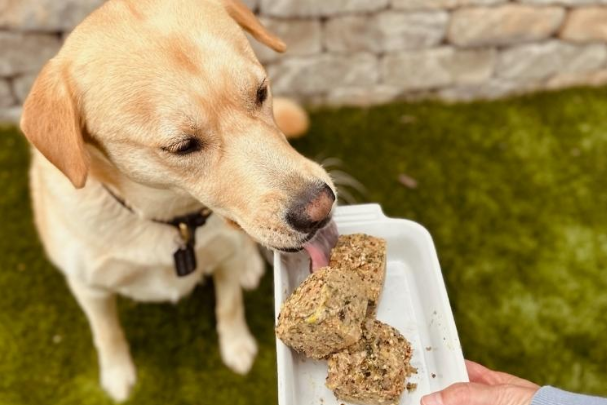
For the millions of dog owners dealing with a pet who scratches constantly, suffers from chronic ear infections, or struggles with digestive problems, identifying the root cause often leads to one place: diet. Canine food allergies and sensitivities are among the most commonly reported health concerns in veterinary practices today.
The conversation around what dogs eat — and how that food is prepared — has never been more relevant. A growing body of research suggests that fresh, gently cooked dog food may offer a meaningful advantage over conventional dry or processed diets, particularly for dogs prone to allergic reactions.
California Dog Kitchen, a San Diego-based pet food company, produces fresh, human-grade dog food that is gently cooked and frozen in pre-portioned cubes. The brand formulates its recipes to meet nutritional levels established by the AAFCO Dog Food Nutrient Profiles for all life stages, including large-breed growth. Its approach reflects a broader shift in the pet food industry toward minimally processed, ingredient-transparent options.
Fewer Ingredients, Fewer Triggers
One of the most recognized strategies for managing canine food allergies is the elimination diet — stripping food back to a small number of identifiable, high-quality ingredients. Many commercial dry foods contain dozens of additives, preservatives, and fillers, making it difficult to isolate which component is causing a reaction.
California Dog Kitchen’s recipes, available at californiadogkitchen.com, are built around single-protein formulas with clean, recognizable ingredients. The venison and zucchini recipe, for example, features a novel protein source that many allergy-prone dogs have not been previously exposed to — a key factor in reducing immune reactivity. Novel proteins are widely recommended by veterinary dermatologists as part of hydrolyzed or limited-ingredient diet protocols.
The company holds GAP-certified Organic Chicken and USDA certification, and its ingredients contain no GMOs — a standard verified during its acceptance into the Good Food Guild, one of only two pet food companies to have joined the organization. The Good Food Guild evaluates applicants on sourcing transparency, ingredient quality, local sourcing, and the absence of GMO ingredients.
Digestibility and the Case Against Kibble
The degree to which a dog can absorb nutrients from its food directly affects immune function, skin health, and gastrointestinal stability — all of which are implicated in allergic responses. Research increasingly points to a gap between how the body processes freshly cooked food and highly processed dry food.
Dr. Kelly Swanson of the University of Illinois has stated: “Our research shows that human-grade, fresh-cooked diets are up to 40% more digestible than standard dry dog foods, leading to better stool quality.” Higher digestibility means more nutrients absorbed per meal, reduced fermentation in the gut, and less undigested material that can fuel inflammation or irritate the intestinal lining.
For dogs with food sensitivities, this distinction matters considerably. When the gut is under strain from poorly digested starches and by-products, the intestinal barrier can become compromised — a phenomenon sometimes referred to as increased intestinal permeability, which may amplify allergic responses over time. Switching to a more digestible diet can help reduce this burden.
Moisture-Rich Nutrition for Skin and Organ Health
Dry kibble, by design, contains very little moisture — typically around 10%. Dogs evolved eating prey animals with a moisture content closer to 70%. This gap has prompted growing concern among veterinary professionals about the long-term effects of chronic mild dehydration on organ function and skin condition.
Dr. Judy Morgan, DVM, has noted that “gently cooked food provides the moisture-rich nutrition dogs need to support kidney and bladder health, which is often lacking in dry diets.” Adequate hydration at the cellular level also supports skin barrier integrity — a factor directly relevant to dogs with environmental or food-triggered allergic dermatitis.
California Dog Kitchen’s frozen, gently cooked cubes retain their natural moisture content through the cooking and freezing process.
Portion Precision and Feeding Simplicity
Managing an allergy-prone dog’s diet requires consistency. Portion irregularity can introduce variables that complicate allergy tracking and make it harder to connect symptoms to specific foods or quantities. California Dog Kitchen addresses this with a pre-portioned cube system: one 4-ounce cube per 10 pounds of body weight per day, with adjustments for puppies and nursing dogs available through the company’s online feeding calculator.
Each bag contains 14 to 16 frozen cubes, and the food is stored frozen, defrosted in the refrigerator, and used within five days of thawing. This structure removes guesswork from daily feeding and makes it easier for pet owners to maintain the dietary consistency that allergy management often demands.
The company ships orders on Mondays and Tuesdays, with delivery by Friday, and uses insulated boxes with dry ice to maintain food safety during transit.
Sustainable Practices and Ingredient Integrity
Beyond its nutritional profile, California Dog Kitchen operates with an environmental commitment that sets it apart in the pet food space. The company’s packaging is compostable — made from kraft paper with a vegetable-based liner that breaks down within 180 days in an industrial composting environment. Conventional plastic pet food packaging, by contrast, persists for thousands of years in landfills.
The company also donates 1% of all sales to environment-related nonprofits, typically those focused on animal welfare. All food is cooked in the company’s own commercial kitchen in San Diego, allowing direct oversight of preparation conditions and ingredient sourcing.
These operational choices align with the values of a customer base that increasingly treats pet health as an extension of broader household wellness and sustainability concerns.
Conclusion
The relationship between diet and canine allergies is complex, and no single food will resolve every case. Veterinary diagnosis remains essential. That said, the evidence supporting fresh, gently cooked, minimally processed diets as a tool in allergy management continues to grow. Higher digestibility, cleaner ingredient panels, improved hydration, and greater sourcing transparency all address variables that can contribute to inflammatory and allergic responses in dogs.
For owners navigating this challenge, understanding what goes into their dog’s bowl — and how it was prepared — represents a meaningful starting point. California Dog Kitchen’s model reflects an effort to answer that question with specificity, accountability, and nutritional rigor.