
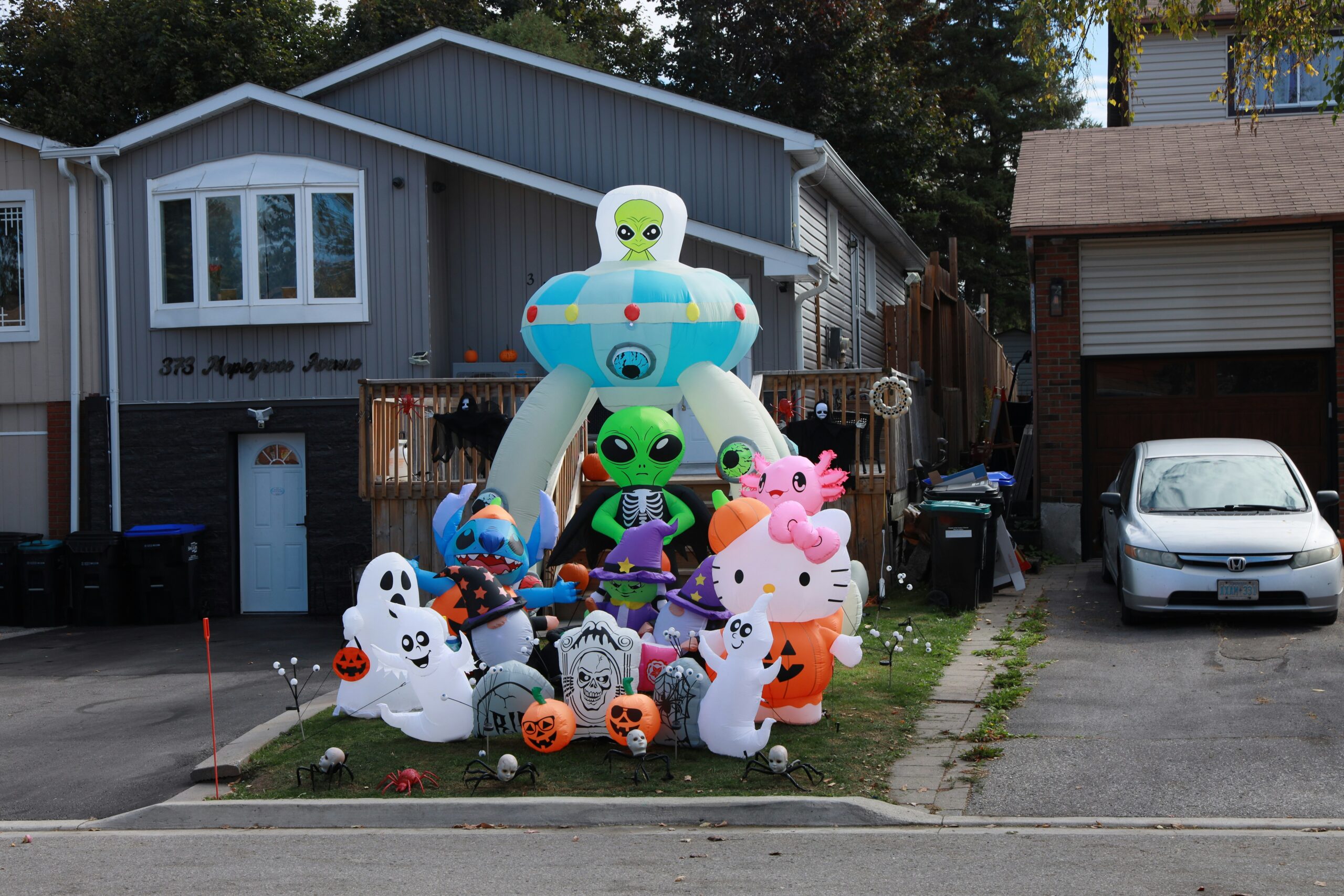
In recent years, the demand for giant inflatables has surged across various industries. Whether for advertising, events, or artistic installations, these impressive structures capture attention like no other. But how exactly are these large-scale inflatables created? From selecting the right materials to mastering complex printing techniques and understanding the nuances of structural engineering, the process is both intricate and fascinating.
Selecting the Right Materials
The first step in manufacturing a giant inflatable is choosing appropriate materials. Since these structures are often exposed to varying weather conditions, durability is paramount. Typically, a high-grade PVC or nylon fabric is used, both of which offer excellent resilience against wear and tear. PVC is often preferred for its flexibility and resistance to humidity, making it ideal for outdoor use. Meanwhile, nylon is chosen for its lightweight properties, suitable for indoor installations or temporary exhibits.
Additionally, these materials are treated with specific coatings to enhance UV protection and extend their lifespan. Given the significant size of these inflatables, it’s crucial that the material is robust enough to maintain its integrity under substantial air pressure, yet flexible enough to conform to intricate designs and movements.
Innovations in Printing Techniques
Once the materials are selected, the next phase involves printing the desired graphics or designs onto the fabric. Recent advancements in digital printing technology have opened up endless possibilities for vibrant, high-resolution imagery. Using large-format printers, bespoke graphics can be applied directly onto the material surface. This process allows for extensive customisation, enabling unique branding opportunities or artistic expressions, all while ensuring the final product is visually striking.
The use of eco-friendly inks and sustainable substrates is becoming increasingly common in this step, aligning with global sustainability trends. Furthermore, precision is crucial during this phase, as even slight misalignments can disrupt the aesthetic or functional appeal of the finished inflatable.
Precision in Structural Engineering
The creation of giant inflatables is as much an art as it is a science, requiring precise engineering to ensure stability and safety. Structural engineers play a pivotal role in determining how to distribute the air within the inflatable evenly. This process entails calculating the optimal air pressure and understanding how the internal sections will interact under stress.
Moreover, the design must account for various factors, such as wind load and anchorage points, to ensure the inflatable can withstand external forces without tipping or collapsing. Engineers also devise methods for easy inflation and deflation, incorporating features like secure valve systems and reinforced seams to facilitate efficient setup and dismantling.
The Role of Skilled Craftsmanship
While technology and engineering are crucial, skilled craftsmanship remains essential. Experienced fabricators work meticulously to cut, sew, and assemble the different sections of the inflatable. Every seam must be double-stitched or heat-sealed to prevent air leaks, and any potential stress points require strategic reinforcement.
The process is labour-intensive, demanding acute attention to detail and the ability to troubleshoot unforeseen challenges. Craftsmen often draw upon bespoke techniques, honed through years of experience, to produce inflatables that are not just functional but also artistic and reliable.
Testing and Quality Assurance
Before a giant inflatable is deemed ready for use, it undergoes rigorous testing to assess its performance under real-world conditions. This involves inflating the structure in a controlled environment and subjecting it to various stress tests. Checking for air tightness, structural integrity, and any potential safety issues is imperative.
The quality assurance process may also involve client walkthroughs, allowing for any last-minute adjustments. Only after passing these stringent tests is the inflatable cleared for deployment, ensuring it performs flawlessly and meets all safety standards when in use.
In conclusion, the creation of giant custom inflatables is a multifaceted process that combines material science, artistic innovation, and precise engineering. As the industry continues to evolve with new technologies and sustainable practices, these captivating structures will undoubtedly remain a staple in visual marketing and design.