
Cosplay can look stunning in person, then oddly flat in photos. Stage makeup helps solve that by giving your features more shape, stronger colour, and better staying power.
Cosplay makeup often needs to do more than everyday makeup. It has to hold up under bright convention lights, read clearly from a distance, and still look right in close-up photographs. In this article, we’ll look at how stage makeup for cosplay can help you build stronger character looks, from prepping your skin and choosing the right base to shaping brows, eyes, lips, and contour. You’ll also see how theatre makeup techniques can make dramatic makeup for characters feel more believable and easier to wear.
Key Points
- Why stage makeup for cosplay works so well under strong lighting and in photos
- How to use theatre makeup techniques to shape the face with light and shadow
- Ways to adapt brows, eyes, lips, and contour to match a specific character
- Tips for making cosplay makeup last through long convention days
- Common mistakes that can make a character look flat, washed out, or unfinished
Why stage makeup works so well for cosplay
There is a lot of overlap between the stage and the convention floor. In both settings, your face has to work harder than it does in everyday life. Bright lighting can wash colour away. Cameras can flatten the face. Long hours can leave makeup patchy, shiny, or smudged.
That is why stage makeup techniques are so useful for cosplayers. Theatre makeup is built for visibility. It is made to help features stand out at a distance while still making sense up close. When you borrow those same ideas for cosplay, your finished look usually feels clearer, bolder, and more in character.
This does not mean your makeup has to look heavy in a clumsy way. It means you use more intention. A brow shape can change the whole mood of a face. A warmer base can stop your skin from looking drained under overhead lights. A little more contour can stop your features disappearing in a photograph.
If you have ever looked in the mirror before an event and thought your makeup seemed fine, only to see photos later and wonder where all the definition went, stage methods can help.

Start with the character, not the makeup bag
One of the best cosplay makeup tips is also one of the simplest: study the character before you touch a brush.
Pull up a reference image and keep it nearby. Look beyond the obvious details and pay attention to facial structure, expression, and colour. Ask yourself what makes this character recognisable. It may be the angle of the brows. It may be the shape of the eyes. It may be a soft mouth, a sharp jawline, or a tired, shadowed look.
This matters because good cosplay makeup is not just about looking polished. It is about translation. You are taking a 2D drawing, a game render, or a stage costume concept and turning it into something that works on a real face.
Try breaking your reference down into simple questions:
What stands out first?
Is it the eyes, the brows, the lips, the cheek shape, or the skin tone?
Is the character soft or sharp?
Some characters suit blended shadows and rounded lines. Others need crisp angles and stronger shapes.
Are the colours warm or cool?
A lively fantasy hero may suit warm bronzed tones, while a colder villain may look better with cooler shading.
How realistic do you want the final result to be?
Some cosplayers love a graphic, illustrated finish. Others want the look to feel more natural on skin. Neither is wrong, but it helps to decide early.
When you start with the character, every later choice becomes easier. Your stage makeup for cosplay stops feeling random and starts feeling deliberate.
Build a base that lasts
A strong character look starts with prep. You do not need a ten-step routine, but you do need a base that helps your makeup sit well and stay put.
Start with clean skin. Add moisturiser if your skin feels dry or tight. If you are heading to a daytime event, SPF may also make sense before makeup. From there, decide whether primer is worth using for your skin type and the length of the day.
Primer can be especially helpful if:
- your makeup slides off quickly
- your skin gets oily around the nose or forehead
- your foundation turns patchy after a few hours
- you want smoother application around pores or texture
For many cosplayers, primer is where long-wear makeup begins. For eye looks, an eye primer can also make shadow and liner hold better, which is useful if your character needs strong eye definition.
This part of the process should feel practical, not fussy. You are not trying to create perfect beauty makeup. You are preparing a blank canvas that can handle colour, contour, and movement.
Choose foundation for lighting
This is one of the biggest differences between standard makeup and stage makeup for cosplay. What looks balanced in your bathroom mirror may look pale, flat, or uneven under convention lighting.
A good cosplay base should do three things:
- even out the skin
- hold up in photographs
- create a solid starting point for the rest of the character work
Many performers use a slightly warmer or deeper foundation tone than they would for day-to-day wear because stage lights can drain the face. Cosplayers can benefit from the same idea. That does not mean choosing an obviously wrong shade. It means thinking about how the skin will read under bright light, not just under soft indoor lighting at home.
Blend your base carefully into the hairline, jawline, and neck. This sounds basic, but it makes a huge difference, especially when wigs, collars, face paint, or costume pieces frame the face closely.
If you are taking flash photos, be careful with products that leave a strong white cast. Some formulas can make the skin look mask-like in pictures, which is the last thing you want after spending time building a character look.
When people search for how to make cosplay makeup last, foundation choice often gets overlooked, which is why many turn to cosplay makeup essentials designed for performance and long wear.
But a base that wears badly can take the rest of your work down with it. If the foundation breaks apart, the contour, blush, and eye balance can start to look off as well.
Think in light and shadow
Foundation gives you a clean surface, but it can also flatten the face. This is where theatre makeup techniques become especially helpful.
Stage makeup often works by rebuilding the face with light and shadow. In simple terms, you put shape back in after the base has evened everything out.
Contour creates depth. Highlight brings areas forward. Used well, they can help you:
- sharpen a jawline
- slim or define the nose
- deepen eye sockets
- lift cheekbones
- change the mood of the face
For cosplay, this matters because character faces are often stylised. Anime, fantasy, and game characters may have features that are more exaggerated than real-life ones. Contour helps bridge that gap.
A few useful guidelines:
- Use cooler tones for contour when you want a true shadow effect
- Use warmer tones when you want sun-kissed colour or a more lively complexion
- Blend enough to avoid harsh blocks, but keep the placement clear enough to show in photos
This is where dramatic makeup for characters really starts to come alive. A softly sculpted face may suit a gentle fantasy role. A more angular contour may suit a warrior, villain, or theatrical anti-hero.
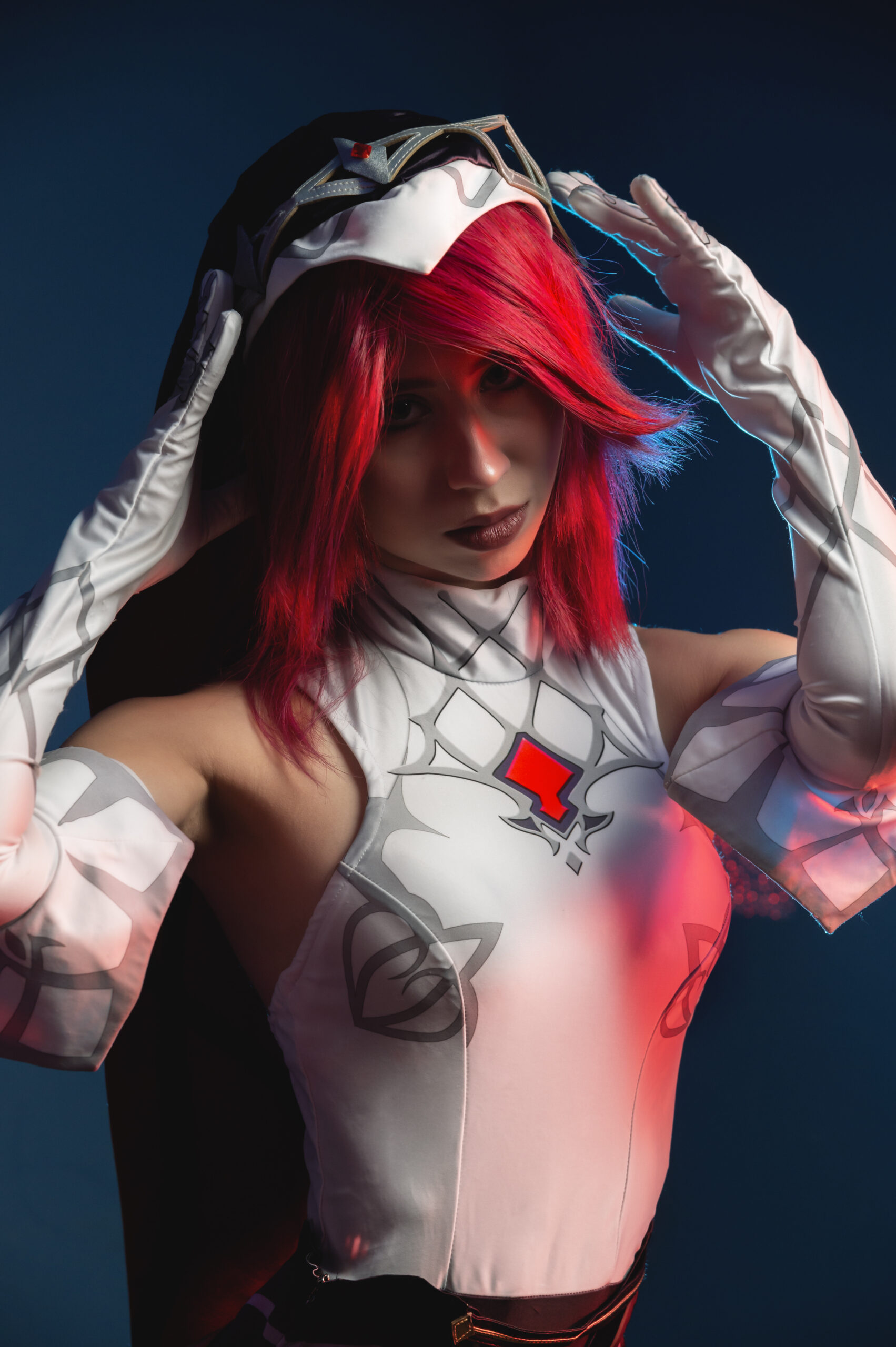
Go bolder than feels comfortable
One of the most useful lessons from stage makeup is that subtle can disappear.
Everyday makeup is often built around softness and realism. Theatre makeup is built around readability. If you want your cosplay look to hold its shape under strong lights and across a busy convention hall, you often need more product than you think.
That can mean:
- stronger brows
- more visible eyeliner
- deeper contour
- brighter blush or bronzer
- more defined lip edges
When applying makeup at home, there is often a moment where it suddenly feels like too much. Before wiping it all off, step back and check it from a distance. Take a phone photo. Stand near a window. Put your wig on. Quite often, what felt dramatic up close looks just right once the whole character comes together.
This does not mean piling on product with no plan. It means accepting that impact matters. If your goal is character work, not natural daily beauty, a bolder hand usually serves you better.
Reshape the eyes to match the character
Eyes do so much of the storytelling in cosplay. They help carry expression, mood, and recognition, especially in anime-inspired looks.
A common mistake is thinking eye makeup only needs to be darker. In reality, stage makeup for cosplay works best when it changes shape, not just intensity.
With liner and shadow, you can make the eyes look:
- longer
- rounder
- more lifted
- more tired
- more open
- more severe
That is much more useful than simply drawing a thicker black line.
For example, a lifted outer corner can give a sly or confident feel. A rounded shape can make the face seem younger or sweeter. Lower shadow can make the eyes seem larger if placed with care. Inner corner highlight can add brightness and energy.
Matte shadows are often especially helpful here because they can mimic natural depth. Brown or taupe tones can soften and shape without looking muddy. A mix of liner and shadow usually looks more believable than liner alone.
If your character is very graphic in design, you can still borrow theatre methods. Use them underneath the bolder visual elements so the face has structure before the costume details go on top.
Do not overlook the brows
Brows can change a face faster than almost anything else. They affect expression, attitude, and how believable a wig looks once it is on.
For cosplay, brow work is about both shape and colour.
Shape
A straighter brow may suit an intense or stoic character. A downward angle towards the centre can suggest determination or aggression. A softer curve may suit a lighter, friendlier role.
Colour
This is where many people struggle. It may seem logical to match your brows exactly to a pale wig, but that can sometimes weaken definition. In many cases, keeping the brows one or two shades darker helps them read better from a distance.
The goal is not to make them vanish into the wig. The goal is to create harmony while keeping the face clear.
Brow pencils, powders, and tinted brow mascaras can all help. You do not need to shave off your natural brows to make this work. Careful shaping and colour adjustment can go a long way.
If you want theatre makeup techniques that make a quick difference, start here.
Lips should support the character, not distract from it
Not every cosplay needs a bold lipstick moment. Sometimes lip work is less about glamour and more about balance.
Natural lip colour can pull attention in the wrong direction if the character is meant to look neutral, stern, youthful, or understated. In those cases, a muted lip shade can help the mouth sit better within the overall design.
A few approaches that work well:
- soften pink or red lip tones with a more neutral shade
- slightly overline or reshape the lips for a fuller or sharper look
- keep the finish semi-matte if you do not want it to read as everyday lipstick
- use a deeper lip line if you want the mouth to show more clearly in photos
Again, think about the character. A fantasy queen may suit richer colour. A battle-worn adventurer may need something more toned down. A comic or anime character may look better with a simplified lip shape that lets the eyes and brows do more of the work.

Translate 2D features in a realistic way
This may be the most useful mindset shift in the whole article.
A lot of characters are drawn with black outlines, flat blocks of colour, and simplified shadows. That does not always translate well straight onto skin. What works on a page or screen can look harsh, messy, or oddly cartoonish in real life.
Instead of copying every line literally, think about what that line means.
If a character has cheek markings, ask whether they would look better as soft brown definition rather than pure black stripes. If the lower lash line is strongly outlined in the source art, think about using shadow to suggest that shape rather than drawing a harsh band across the face.
Realistic interpretation often looks more convincing than strict copying. You are still honouring the design, but you are adapting it to a human face in three dimensions.
This is where how to create fantasy makeup looks and theatrical thinking overlap beautifully. You can keep the spirit of the design while making it more wearable, more photogenic, and more believable.
Set everything for a long day
Once your look is built, you need it to last. Conventions are warm, busy, and often much longer than expected. That means your final steps matter.
To help your cosplay makeup last:
- set cream products with powder where needed
- use translucent powder to reduce unwanted shine
- finish with setting spray
- choose waterproof or non-transfer formulas for liner, mascara, and lips if possible
- carry a few touch-up items for the day
Setting is not just about stopping movement. It also helps preserve the structure of the look. A well-set contour stays in place. Brow shape holds better. Lip edges remain cleaner. Under strong lights, that stability makes a real difference.
If you are creating stage makeup for cosplay for a performance, competition, or photoshoot, these final steps matter even more.
Common mistakes that make cosplay makeup fall flat
Even strong costume work can lose some impact if the makeup is not doing its part. Here are a few common issues to watch for.
Skipping the reference image
Without a reference, it is easy to drift into your normal makeup habits rather than the character’s look.
Using makeup that is too subtle
What seems balanced in the mirror may disappear under bright lights or in photos.
Forgetting about brow shape
Brows can make or break expression. Leaving them unchanged can keep the face from reading as the character.
Choosing the wrong base for photos
A foundation that is too pale, too ashy, or prone to flashback can make the skin look flat or unnatural.
Copying 2D features too literally
Very harsh black lines or flat shapes may not translate well onto real skin.
Not setting the makeup properly
Without powder or setting spray, long wear becomes much harder, especially during crowded events.
FAQS
How can I make my cosplay makeup last all day?
To make cosplay makeup last, start with clean, prepped skin, use primer if needed, apply long-wear foundation, and set everything with powder and setting spray. Waterproof products can also help prevent smudging.
Do I need different makeup for cosplay compared to everyday makeup?
Yes, cosplay makeup usually needs to be bolder and more structured than everyday makeup. Stage-inspired techniques help your features stand out and stay visible in different lighting conditions.
How can I make my eyes look more like a character’s?
You can adjust eye shape using eyeliner and eyeshadow. For example, extending the outer corner can make eyes look longer, while adding shadow underneath can make them appear larger.
Do I need to copy anime makeup exactly?
No, it’s often better to adapt anime or game designs to suit a real face. Using softer colours and blending can make the look more natural while still keeping the character recognisable.
Conclusion
Stage makeup gives cosplayers a practical way to create faces that hold their shape, colour, and character under real-world conditions, and using theatre-ready products from Treasure House of Makeup can help support that process.
From stronger brows and eye shaping to better base choices and longer wear, theatre methods can make a big difference without making the process feel overwhelming. When you study the character first and use light, shadow, and colour with purpose, your cosplay makeup can look clearer, more believable, and far more camera-ready from start to finish.
Author

Hello! I’m Isabelle Kerrington, and I love all things theatre and performance. Through this blog, I share my passion for stage makeup, from practical tips and product favourites to easy-to-follow tutorials. Whether you’re stepping on stage, creating a cosplay look, or just starting out, I’m here to help you feel more confident and creative. Let’s explore the world of theatre makeup together and bring characters to life, one brush at a time.