
It is hard to care about a wellness routine when the house is busy and the day already feels behind. Most parents are not short on effort. They are short on time, energy, and quiet. That is why the routines that help most are usually the simple ones. The ones that fit into real life without adding more pressure. This is where a low-stress routine can make a real difference.
It Has To Fit Real Life
A lot of routines sound good at first. Then normal life gets in the way. This is normally the issue. On paper, the plan sounds good, but it requires lots of time, good energy and a quiet day. The combination of these three is not very common among most parents. That is why smaller routines tend to last longer. They work around what is already there instead of asking for a whole new schedule.
Maybe that means twenty minutes after the school run. Maybe it is a short window before dinner starts. Maybe mornings feel too rushed, but late afternoon works better. The time itself matters less than people think. The real question is whether it fits the shape of the week you actually have.
The Setup Should Be Easy
This part makes a bigger difference than it seems. If getting started feels like effort, it becomes very easy to leave it for another day.
That is one reason home routines can work so well. There is less fuss around them. No travelling anywhere. No booking classes. No, trying to work around someone else’s timetable. If the mat is already there, or the room is already set up, the step between thinking about it and doing it feels much smaller.
And it does not need to look polished. It might be a clear bit of floor in the bedroom. It might be a corner of the spare room. It might be a garage space that still has boxes in one part and enough room to move in the other. Real homes are like that. They are not spotless all the time, and the routine does not need them to be.
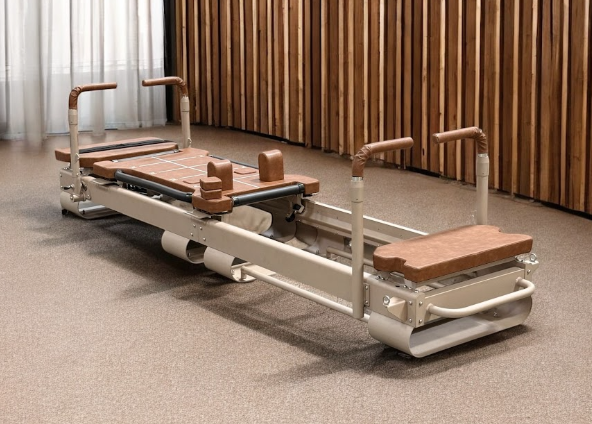
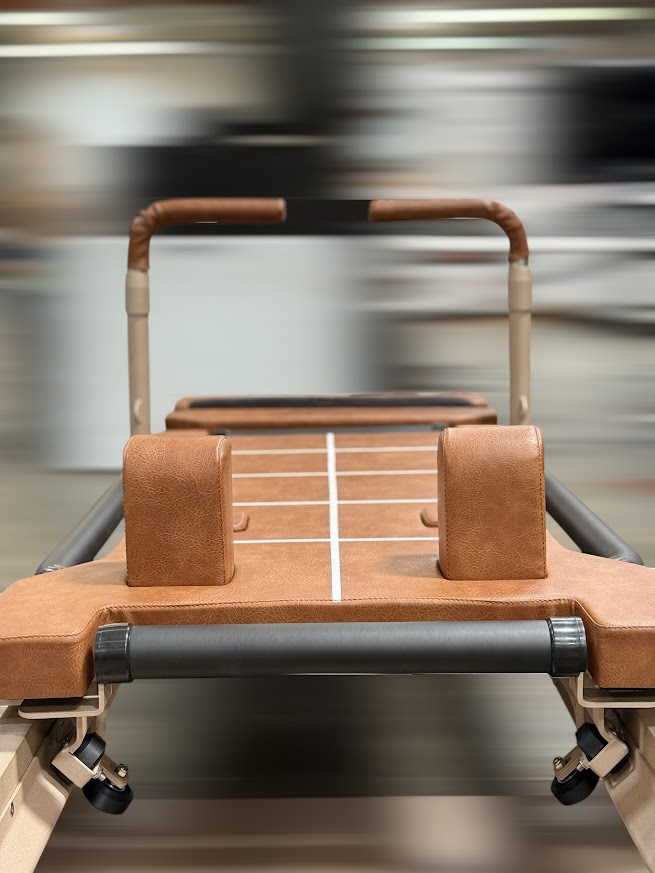
Sometimes, once the habit starts feeling regular, people want something with a bit more structure. At that stage, a smaller megaformer alternative can feel like a more realistic fit for a busy family home.
Gentle Can Still Feel Strong
A lot of people hear low-stress and think it means easy in a pointless way. But that is not really it.
There is already enough rushing and noise in family life. Plenty of parents do not want a routine that feels like one more thing dragging them down. They want something that still feels useful but does not wipe them out, which is part of why low-impact movement can feel like a better fit.
It still asks the body to work. There is effort in it. There is resistance. But the whole thing feels steadier. Less frantic. For a lot of people, that makes it much easier to come back the next day instead of putting it off.
Short Still Counts
A short session can still change the feel of a day. Even short activity breaks can make movement feel more manageable when the day is already full. It can make a stiff back more relaxed, offer the mind something to think about other than work, and it breaks the day before it is all too long a list again.
Shorter routines also feel easier to repeat. That matters much more than making them look impressive. A simple routine that happens a few times a week usually does more than a bigger plan that keeps getting dropped because the day got away from you.
It Needs To Work On Bad Days Too
A routine is easy enough to enjoy when the week is going well. The real test is what happens when the day starts going wrong.
Maybe nobody slept properly. Maybe the house is upside down by breakfast. Maybe school pick-up changes at the last minute, and everything feels a bit off. On days like that, anything complicated is usually the first thing to go.
That is why low-stress routines need some give in them. They should still count if they are shorter than planned. They should still count if they happen later. They should still count even if the energy is low and the session is not your best one.
A lot of people do better when the basics stay the same. Same rough time. Same place. Same first few steps. There is something helpful in that. Less thinking. Less deciding. Less chance of talking yourself out of it.
It Helps To Have One Thing That Feels Like Yours
A lot of family life is made up of practical things. Packing bags. Finding shoes. Clearing plates. Remembering dates. Sorting dinner. Wiping surfaces. None of it sounds huge on its own, but it adds up fast.
That is why a small routine can end up feeling bigger than it looks from the outside. It gives the week one part that is not only about everyone else. Not in a dramatic way. Just in a quiet one.
It might be twenty minutes in a room with the door shut. It might be a short bit of movement before the shower. It might be the one part of the day where nobody needs anything from you for a little while. That is often enough to make it matter.
The Simple Ones Usually Last
Most of the time, it is not the big routine that lasts. It is the one that fits into a normal day without too much effort. The one you can still do when the kitchen is not tidy, the washing is still there, and someone needs you halfway through.
It might only be a few quiet minutes. It might be a short bit of movement before the day picks up again. Nothing fancy, nothing perfect. Just something small that helps you feel a little more settled. And honestly, that is usually what makes the difference.