
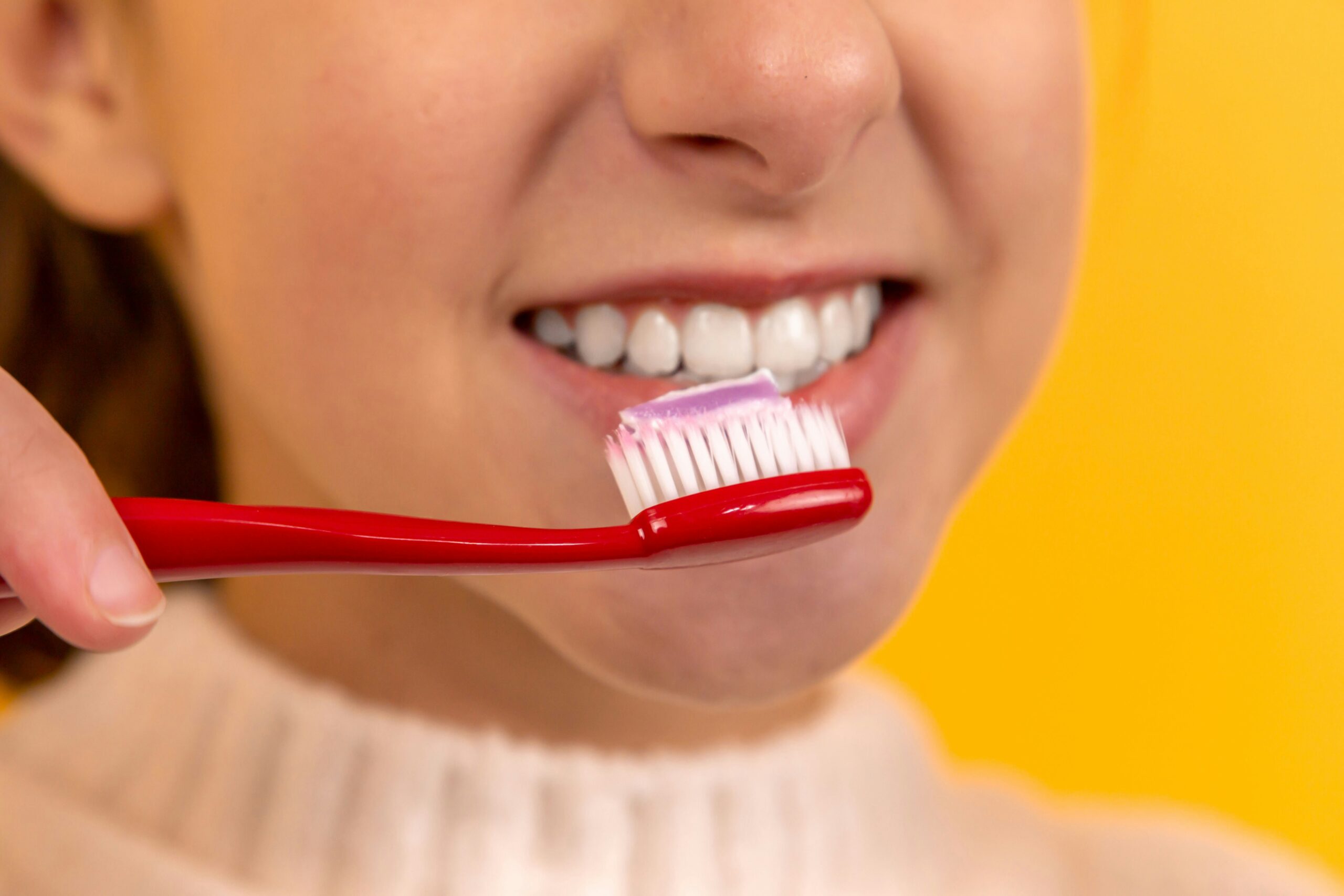
Your child’s first dental appointment can influence how they view oral care in the future. Positive early experiences at the dentist support a healthy attitude and encourage good habits. These practical tips aim to help your family prepare for your child’s introduction to professional dental care.
The first dental visit is often significant for both children and parents, whether you are seeing a dentist in Surrey or a practice close to home. Many dental professionals advise making early appointments focused on comfort and routine, so that children accept dental care as a regular part of life. By preparing in age-appropriate ways and maintaining a positive atmosphere, you can help set the stage for your child’s long-term oral health.
Understanding the right time and recognising early needs
Many dental professionals recommend booking a child’s first dental visit soon after their first baby tooth appears, or by their first birthday. This is general guidance, as each family’s situation can vary depending on your child’s temperament, experience, and health history.
Look out for reasons your child might need to see a dentist sooner, including tooth pain, white or brown spots, mouth injuries, or anxiety about specific teeth. Early attention can prevent minor issues from progressing and can help to establish trust with a dental care provider.
Discussing dental visits with children positively
The way dental care is discussed with your child can influence their comfort level. Using calm, simple language can help avoid unnecessary worries. Try to describe the appointment as a standard health check, much like visiting a family doctor, rather than something only for problems.
Avoid negative associations such as using the dentist as a warning or threat, as this may increase anxiety. Instead, focus on the idea that looking after teeth is part of general health, and help your child know what to expect without mentioning intimidating details about equipment or procedures.
Practical preparation using familiar and playful routines
Children are often more confident in new situations if they can practise first. You can role-play at home by pretending to go to the dentist, encouraging your child to open wide, count their teeth, or even use a toothbrush on a favourite toy’s mouth. These activities can build familiarity with dental routines.
Storybooks and gentle online videos that show dental check-ups can also help your child feel more comfortable. Including a term such as private dentist Hammersmith in conversations about dental visits may further normalise the concept, demonstrating that check-ups are a regular event for many families.
Strategies for appointment day and managing emotions effectively
Think about the timing of the appointment to support your child’s comfort. Try to book visits when your child is well rested and has eaten, avoiding times that coincide with naps or meals. Bringing a familiar item, a bottle of water, or a small toy may also help provide reassurance.
For children who are sensitive to new environments, dressing them in comfortable, preferred clothing can help manage discomfort. Remain calm and use encouraging phrases such as The dentist is going to count your teeth or You can sit with me the whole time. If your child becomes upset or resistant, acknowledge their feelings and work with the dental care provider to allow breaks if needed.
What to expect during a child-centred dental check-up
Dentists who see children often design first visits as gentle introductions rather than full examinations. Your child may sit on your lap and will usually be shown the dental chair and basic equipment first, following a tell-show-do approach to help reduce uncertainty.
The dentist may count teeth, check for early signs of decay, and offer simple advice on brushing and nutrition. Cleaning at this stage is typically basic and matched to your child’s tolerance level. By taking things gradually, trust can be established, and future visits can feel less daunting for your child.
Encouragement, follow-up, and establishing healthy routines
After the visit, it helps to praise your child for participating, regardless of whether they were nervous or needed reassurance. Emphasising their effort can build confidence without adding pressure.
Continue with home routines by making daily brushing a predictable and enjoyable activity. If any concerns are identified during the visit, note the recommended next steps and keep up with regular check-ups to reinforce good habits. Children usually become more comfortable as dental appointments become a regular part of life.