
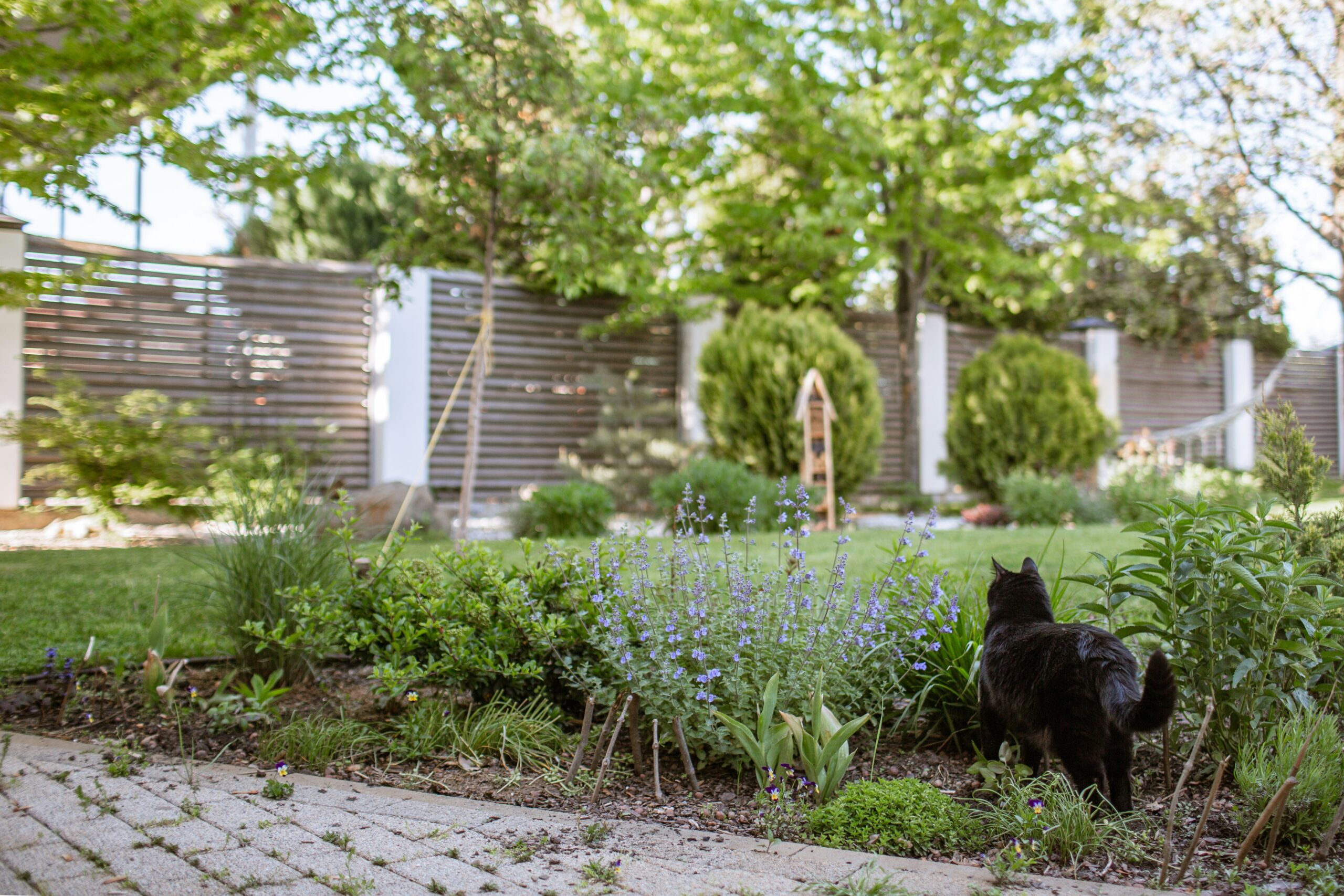
A garden can provide valuable extra living space, yet it is often treated as completely separate from the home. Creating a stronger connection between indoor and outdoor areas can make both spaces feel larger, brighter, and more enjoyable throughout the year.
From improving sightlines to choosing complementary materials, a few thoughtful changes can help your home and garden work together more naturally.
Create Clear Views of the Garden
One of the simplest ways to connect your home with the garden is to make the outdoor space more visible. Large areas of glazing allow you to enjoy views of plants, trees and changing seasons even when you are indoors.
Replacing a solid wall or small doorway with wider glazing can make a particularly noticeable difference. For homeowners planning this type of project, installing external sliding doors can help create a broader opening onto a patio, terrace or lawn while allowing plenty of natural light into the room.
Think carefully about what you can see from inside. Positioning attractive planting, a feature tree or comfortable garden seating within key sightlines can make the exterior feel like a natural extension of the interior.
Use Similar Flooring and Materials
Visual continuity is important when bringing two spaces together. Choosing indoor flooring and outdoor paving in similar colours or finishes can reduce the sense of a hard boundary between the house and garden.
The materials do not need to be identical. Indoor tiles in a warm neutral shade, for example, could be paired with weather-resistant paving in a closely related tone. Timber furniture, stone details or similar textures can also be repeated across both areas.
Keep the Transition Simple
Physical barriers can make a garden feel more distant than it really is. Where practical, aim for an easy route between your main living space and the outdoors.
A patio positioned immediately outside the house creates a useful transitional area. Keeping indoor and outdoor floor levels visually close can also contribute to a smoother appearance, although drainage and building requirements should always be considered when making structural changes.
Avoid overcrowding the area immediately outside the entrance. Leaving enough room to move comfortably between indoors and outdoors makes the connection feel much more natural.
Repeat Colours Inside and Out
A consistent colour palette can subtly tie the home and garden together. Look at the dominant shades in your interior and find ways to echo them outside.
If your kitchen features deep green cabinets, for instance, similar tones could appear in outdoor cushions, planters or painted furniture. Alternatively, colours from the garden can be brought indoors through soft furnishings, artwork and decorative accessories.
Make Outdoor Areas Comfortable
Your garden is more likely to feel like part of your home when it offers the same sense of comfort as your interior. Rather than treating it purely as a decorative space, consider how you actually want to use it.
A dining table near the house can support outdoor meals, while comfortable seating creates somewhere to relax with a book or morning coffee. Outdoor lighting can extend the usefulness of these areas into the evening and make the garden visible from inside after dark.
Let the Spaces Work Together
Connecting your home and garden does not require them to look exactly the same. The aim is to create a sense of continuity through views, materials, colours and practical access.
When each space responds to the other, moving between indoors and outdoors feels effortless. The result is a home that makes better use of its surroundings and a garden that feels like a genuine part of everyday living.