
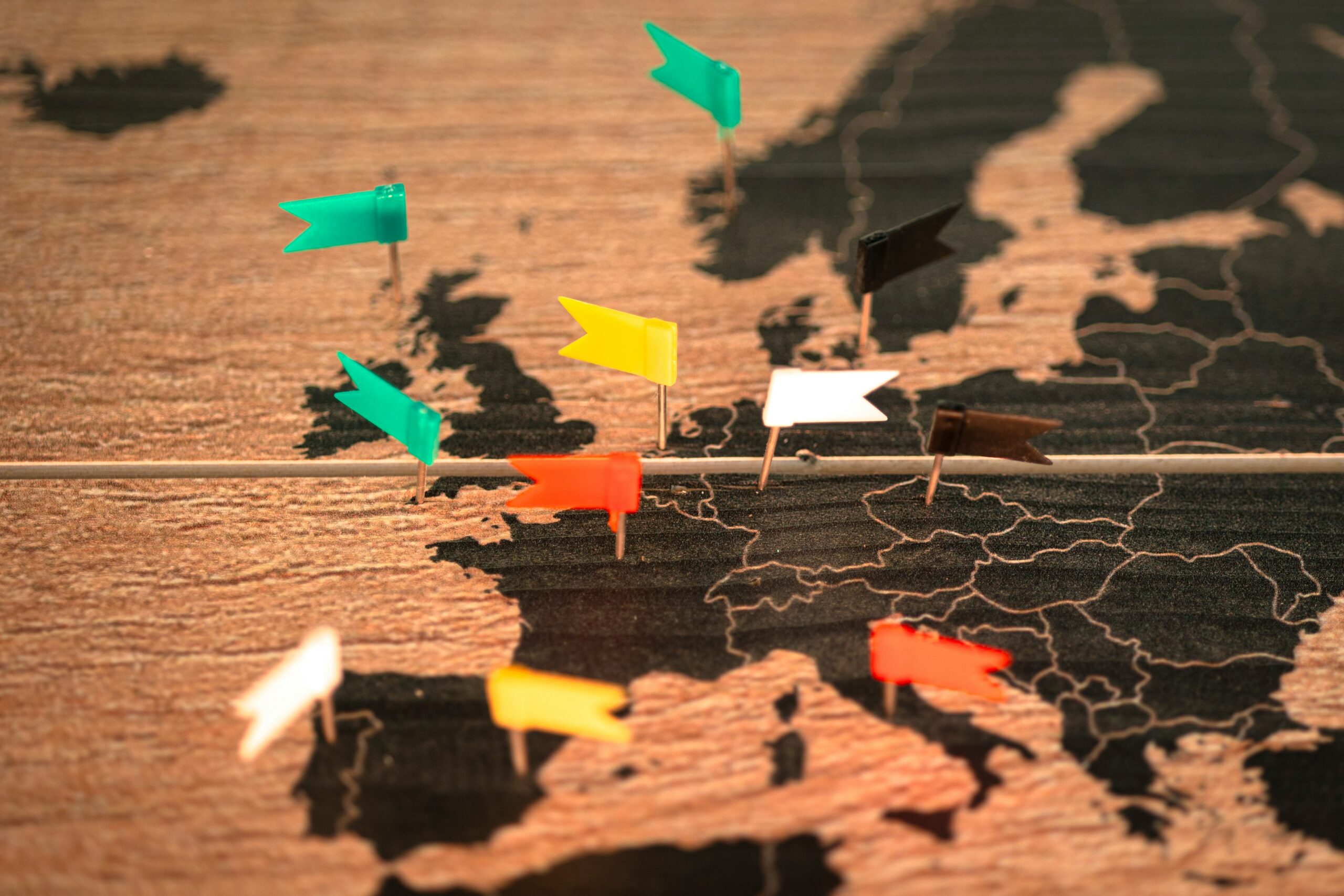
Are you planning to travel around Europe soon? Does the idea of backpacking and exploring multiple cities across Europe excite you?
If you have already booked a flight to a European country, it’s high time to plan your upcoming trip with a proper itinerary. While there’s certainly an allure to being spontaneous, it’s important to be grounded and practical about the travel as well.
It can be costly and risky to travel on a day-by-day timeline, and in worst-case scenarios, you could end up being forbidden to continue on with the trip due to some oversights you may have missed during the planning stage.
That being said, a well-planned itinerary doesn’t have to be packed with activities by the hour. It can consist of just a few key cities and must-dos every day to ensure that you have a general skeleton of things you’re planning to do and see while at each location.
On top of that, you should also keep logistics in mind, like the transportation schedules and various tools and resources to facilitate the smoothness of the travel. If you want to ensure that your trip proceeds smoothly, then you’re in the right place.
This article will give you a guide on how you can plan your multi-country Europe trip to make memories that will last a lifetime. Let’s jump straight into it!
- Plan Your Route
The first step to planning a multiple-country Europe trip is to have a route map established from the start.
You may be eager to visit places like the Big Ben, the Colosseum, and the Eiffel Tower in a week, but it can take a tremendous amount of effort and logistical decision-making to route an itinerary that hits these places optimally within a short time frame.
Moreover, it’s even more challenging to plan a route if you want to hit up spots across Western, Eastern, and Central Europe. This is because you’ll likely have to reserve various transportation tickets to make many connecting transits, which can complicate the itinerary and take up precious time during your travels.
As this is the case, it’s best to have a route in mind to ensure that you won’t end up stranded or planless in the middle of the trip. This route can serve as a roadmap for you to follow so that your trip flows naturally and efficiently, reducing backtracking and making needlessly long pit stops.
A plan also ensures that you actually get to go where you want to go in Europe, thus crafting an experience that you’ll be happy with long afterwards.
- Bring Essential Travel Tools
Besides creating the road map of places you want to see, you should also consider the tools you would need to bring with you to ensure that your trip proceeds smoothly and efficiently.
Travelling across multiple countries means dealing with different currencies and booking platforms, among other things. It’s important to have the right essentials to ensure that you can enjoy a smooth and stress-free journey.
Here are some useful travel tools to pack with you for your European trip:
- A travel adapter
- An Internet connection (see: best eSIM for Europe)
- Digital copies of important documents
- Powerbank
- Railway apps
- Translation apps
By having these tools on hand, you can make travelling between countries in Europe feel more seamless and worthwhile.
This is especially true if you’re travelling across both Western and Eastern European countries, as each region can have vastly different processes that would warrant some adjusting on your end.
- Set a Practical Budget
Another (and perhaps one of the most important) consideration you must make when planning a European trip is the budget.
A multi-country Europe trip will naturally require you to allocate a large budget for expense categories such as flights, train tickets, food, hotels, and other miscellaneous expenses.
Different areas of Europe can have vastly different cost brackets; some are costly, some are affordable.
It’s important to keep the average costs of each place you’re visiting in mind (relative to the length of time you’re staying there) to ensure that your budget is properly optimised to keep up with these expenses.
For instance, if you’re travelling through Western Europe, you may need to spend more on accommodation, dining, and attraction tickets in cities like Paris, Amsterdam, London, or Zurich.
On the other hand, destinations in Central or Eastern Europe, such as Prague, Budapest, Krakow, or Ljubljana, may give you more room to stretch your budget.
In any case, it’s important to align your travel plans with your budget. You don’t have to travel as cheaply as possible. You simply have to ensure that you have enough funds to fuel the travel without worrying about running out of money.
- Decide Your Travel Mode
Once you have your destinations and budget in place, you’ll need to decide how you’ll move between countries.
Europe has several transport options that can get you from place to place, and some options may be better suited than others depending on your timeline, availability, and location.
For instance, if you want to get from one side of the continent to another quickly, than a flight on an airline could be the best choice. In contrast, if you want to take a more scenic and affordable transit option, long-haul buses and inter-country train lines are also viable options.
In any case, it’s essential to choose the transport option that works best with your travel style, itinerary schedule, and budget. By doing this, you can make the trip feel a lot smoother and less exhausting.
- Make Reservations Early
It’s vital to book things such as your accommodation and long-distance train tickets or flights early along the trip, as prices for these things can spike up the closer you book it to the travel date.
This is especially true if you’re travelling during peak seasons like summer or winter time. Booking early allows you to select from more choices and lock in a more affordable rate for things like hotel bookings, popular attractions, and train seats during specific times and dates.
At the same time, avoid booking every small activity too rigidly. Flexibility is a big part of the fun when traveling across Europe, so leaving room for some spontaneity while making strategic reservations is key to ensure there’s a good balance of excitement and structure in your trip.
All the best in planning out your European adventure!