
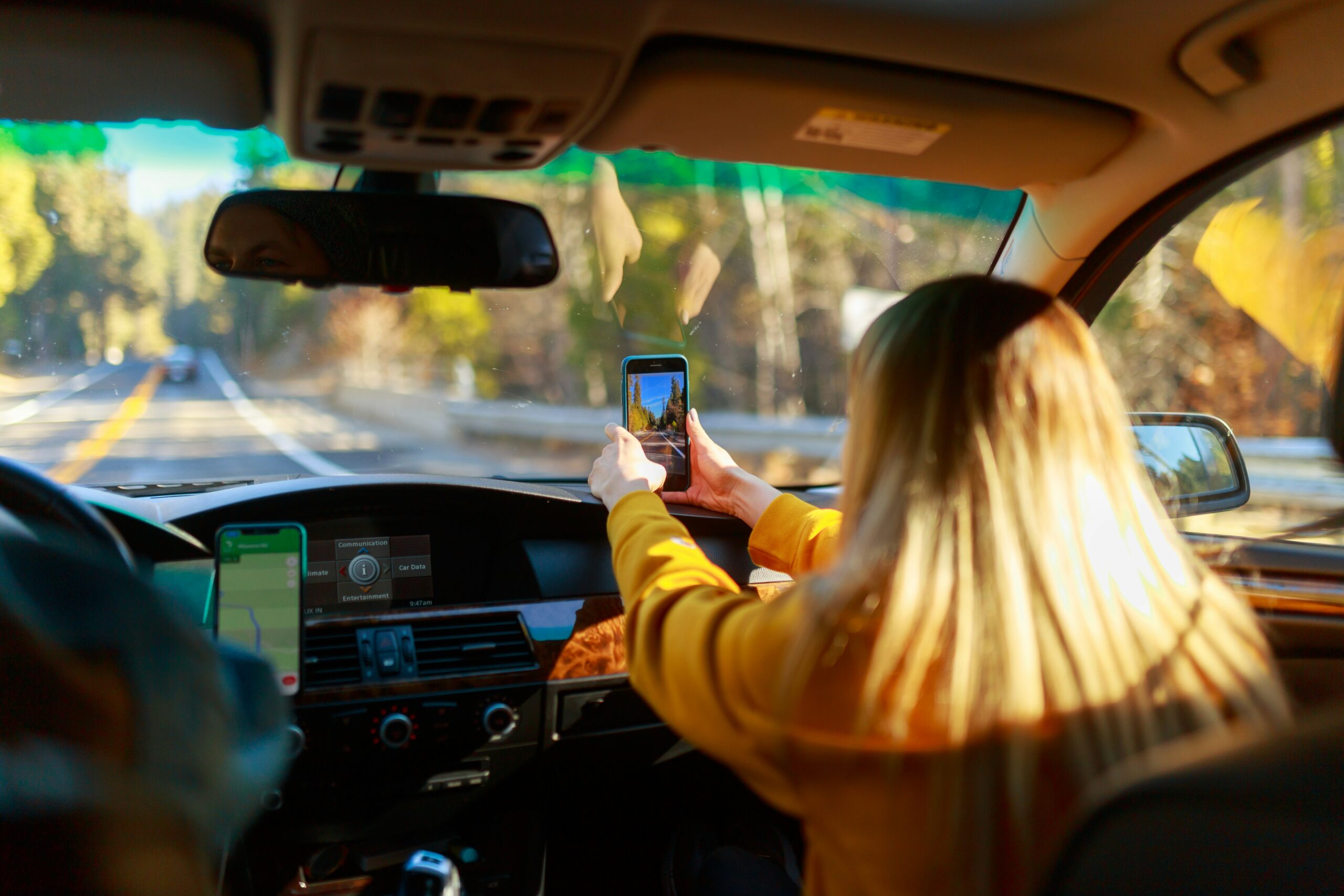
If you’re planning to embark on a road trip soon, then that could be a great adventure waiting to happen. Driving out on the open road is a fantastic way to see some beautiful sights up close, but it can also be a wallet sink if you aren’t conscious about how you manage your budget.
The good news is that you don’t need to spend a fortune to go on a road trip of a lifetime. You don’t even have to pack your road trip with all the sights along a massive stretch—a simple, slow, and thoughtful road trip can be more than enough to actually allow you to immerse yourself in your chosen destinations and create lasting memories without the stress.
That said, if you’re used to a go-go-go lifestyle, or if you’re unsure how to plan a slow road trip in the first place, then you’re in the right place. This article will give you some insights on how you can plan a slow road trip without overspending.
Let’s jump straight into it.
- Take out a Car Loan
If you’re strapped for cash but really want to embark on a road trip and don’t have a car yourself, you can consider taking out a loan to secure a vehicle for the road trip.
It’s no secret that buying a car is a significant life decision, and not everyone can do it on a whim. But if you want to make the most of your freedom and explore the great outdoors, then financing a vehicle through personal car loan options is a great way to get started with your dream.
There are multiple ways you can approach this, depending on your financial situation and how frequently you plan to use the vehicle. Instead of taking out a loan, you could also easily rent a car just for the trip and return it at the end of the lease period.
In any case, renting a car or having one under your name is the superior way to go about travelling by road. You’ll have greater flexibility over your route, can spend more time in each destination, and won’t have to worry about arranging transportation every time you want to explore somewhere new.
- Plan Your Route Ahead of Time
One way to keep your budget intact is by planning your route ahead of time. While some of the fun of embarking on a road trip lies in its inherent spontaneity, there’s such a thing as being too impulsive as well.
When you get too impulsive, you may end up spending more than you ought to. This could leave you with an emptier bank account the moment you return to your normal life and daily routine.
To combat this, you must consider planning your route ahead of time. This starts by deciding which destinations you’d like to visit and how much time you’re willing to spend lingering in one place.
When you do this, you’ll have a more concrete idea of how much you’ll be spending at each place.
Of course, it’s best to have some financial leeway in case of emergencies and sudden detours—but for the most part, you should have a budget in mind as you traverse road trip destinations and try your hardest not to deviate from these figures.
Furthermore, another perk of planning ahead of time is that it prevents you from wandering off closed roads or driving through dangerous or unsuitable weather conditions. It also helps you pick affordable lodging and make reservations far in advance. This way, you could keep your budget tight and minimise potential roadblocks along your journey, preventing you from making costly last-minute decisions that could cost you more than you otherwise would spend if you have prepared far in advance.
- Pick Affordable or Low-Cost Pit Stops
A slow road trip means you’ll have to be selective about the places you want to visit, as you may not have the time to check multiple spots out. And with these select spots you plan on visiting, consider choosing spots that don’t cost you a lot of money to enter and fully enjoy.
Depending on where you’re starting and ending, there are many places you can consider going to. If you’re based in New South Wales, for instance, you could consider renting a car and going down south to Jervis Bay to enjoy coastal experiences. You could also drop by Kiama, Kangaroo Valley, or Berry to explore all of their local sights—many of which are free or low-cost.
Many local nature reserves don’t require you to spend a lot of money, but some areas do require you to pay an entrance fee or parking fee. Pay attention to these fees before you add them to your itinerary.
This way, you’ll know how much you’ll be spending per person or every time you park there—equipping you with the knowledge of how much to spend and rewarding you with more savings in the long run.
- Pack Your Own Food and Drinks
Food and drinks from restaurants and food places can be quite costly, especially in high-traffic tourist routes.
While it’s totally normal to want to splurge now and then, if you’re short on cash and want to be mindful of your spending, then you can consider packing food and drinks from back home and eating your own food instead.
In doing so, you can avoid spending on food items at a markup at service stations and cafes. This allows you to save cash as you travel along your road trip.
That said, if you don’t want to worry about spoilage, you can also consider going to local supermarkets along the route to buy fresh food and ingredients. This is the next best option to ensure you don’t end up overspending.
It also fits the “slow” theme of the trip—as you can spend your downtime cooking food by the campfire or in the kitchen of your accommodation and enjoying using your time your way.
- Slow Down Intentionally
You may be tempted to visit all the sites on your road trip, believing that you’ll never get the chance to go there again. But it’s important to slow down and not rush things. Give yourself enough time to enjoy where you are at the present moment.
Try not to treat your itinerary as a checklist to complete. Not every attraction is worth visiting. It’s important to listen to your body and sit somewhere scenic instead. Give yourself time to reflect and enjoy yourself, whether it’s by yourself or with the people you choose to travel with.
This mindset will help you spend less, as you won’t find the compulsion to visit numerous spots and spend too much on entrance fees and the like. It also lets you appreciate things much more, all while still gaining the benefits of stepping out of your familiar routine.
We hope that this article has given you insights on how to approach your next road trip with more mindfulness and clarity. All the best in creating lifelong memories on your next drive!