
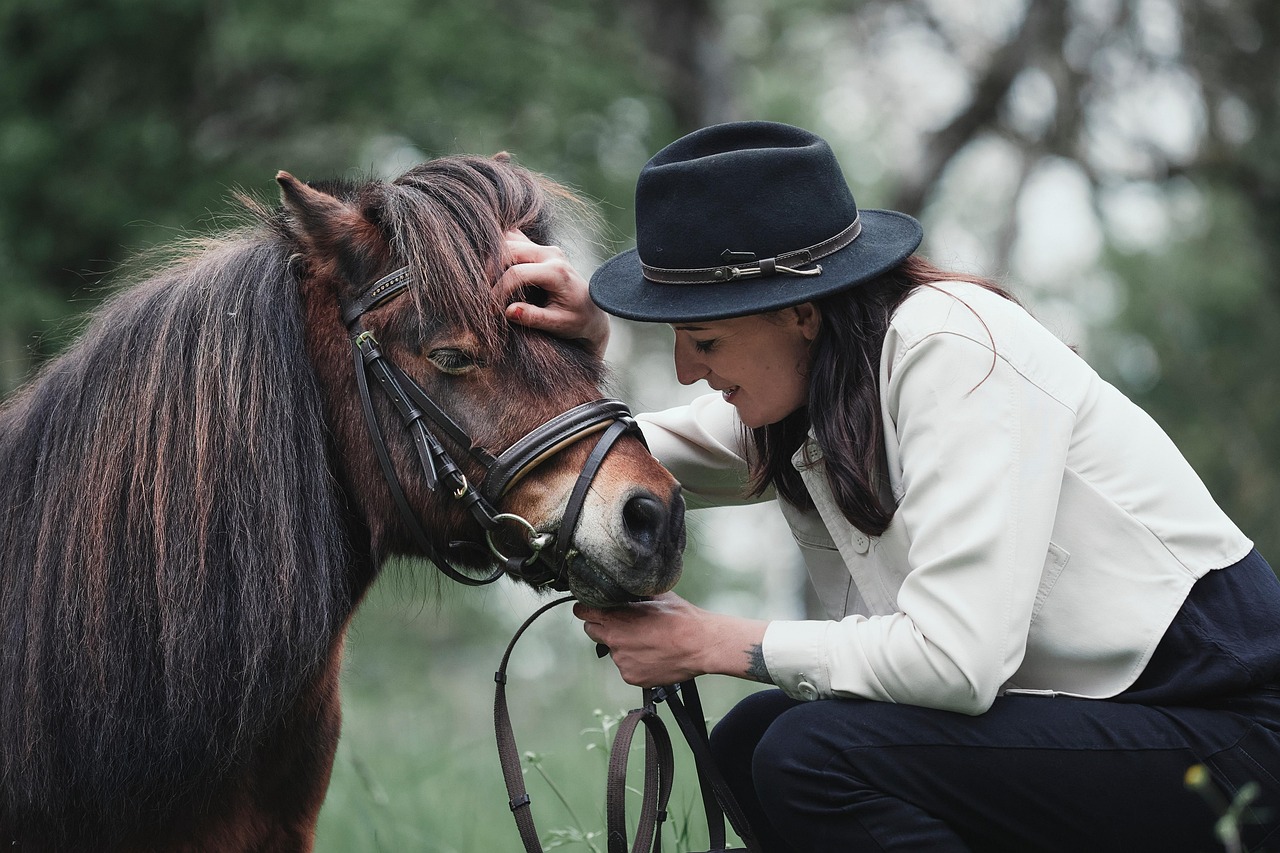
Pets bring rhythm and warmth into everyday life. Whether it’s the sound of paws on the floor or a quiet nudge for attention, their presence reminds us that care doesn’t have to be complicated to be meaningful. Keeping pets active and balanced isn’t about pushing them to do more—it’s about understanding what helps them feel comfortable, calm, and engaged as part of daily life.
Many pet owners are now looking beyond quick fixes and focusing on gentle routines that support long-term well-being. In the second part of this conversation, supportive options such as thoughtful nutrition, light movement, and even complementary approaches like horse hormone supplements sometimes come up when people talk about overall balance and comfort. What matters most, however, is using any support carefully, observing your pet closely, and making choices that fit naturally into their daily routine.
Understanding What “Balanced” Really Means for Pets
Balance is often misunderstood as a perfect mix of activity and rest, but for pets, it’s more flexible than that. A balanced pet is one whose body and mood are supported through small, consistent habits that match their age, health, and personality. This balance can shift over time, and that’s completely normal.
A pet that is truly balanced tends to move comfortably, rest well, and respond calmly to everyday situations. When routines feel rushed or overstimulating, imbalance can show up as restlessness, stiffness, or changes in behavior. Paying attention to these signals helps you adjust care before small issues grow.
Gentle Daily Movement That Makes a Difference
Daily movement doesn’t need to be intense to be effective. Gentle activity supports circulation, joint comfort, and mental clarity, especially when it’s part of a predictable routine. Even small amounts of movement, done consistently, can have lasting benefits.
Low-Impact Activities for Everyday Life
- Short, relaxed walks
These walks allow pets to stretch their muscles and explore their surroundings without strain. Keeping the pace slow and comfortable encourages curiosity rather than exhaustion. - Light play sessions
Simple games like gentle tug or slow fetch help maintain coordination. Limiting the duration prevents overexertion while still keeping pets engaged. - Stretching and natural movement
Allowing pets to stretch naturally after rest helps loosen stiff muscles. This can be as simple as letting them move freely in a safe, open space.
Letting Pets Set the Pace
- Watching body language
Signs like slowing down, avoiding movement, or lying down early suggest it’s time to stop. Respecting these cues builds trust and prevents discomfort. - Adjusting activities as needed
Some days your pet may have more energy than others. Flexibility ensures movement stays enjoyable rather than stressful.
Creating Calm Routines Pets Can Rely On
Routines provide a sense of safety and predictability for pets. When they know what to expect, they’re less likely to feel anxious or overstimulated. Calm routines also make it easier to notice changes in behavior or health.
Regular feeding times, walks, and rest periods help regulate energy levels. Over time, pets begin to relax into these patterns, making daily care smoother for both of you.
Supporting Physical Comfort Through Daily Care
Comfort is a key part of keeping pets balanced, especially as they age. Gentle daily care reduces strain on joints and muscles while helping pets move more freely. Small adjustments in the home can make a big difference.
Simple Habits That Protect Joints and Muscles
- Warm-up and cool-down moments
Allowing pets a few minutes to ease into movement helps prevent stiffness. Ending activity with calm rest supports recovery. - Supportive sleeping areas
Soft, well-cushioned bedding reduces pressure on joints. Placing beds away from drafts also helps maintain body comfort. - Mindful handling
Lifting and guiding pets carefully avoids unnecessary strain. This is especially important for older or smaller animals.
Grooming as a Wellness Check
- Regular brushing
Brushing improves circulation and helps you notice changes in the skin or coat. It also creates a calming bonding moment. - Nail and paw care
Keeping nails trimmed supports proper posture and movement. Checking paws regularly helps catch minor issues early.
Nutrition and Wellness Support Without Overdoing It
Food plays a quiet but powerful role in a pet’s daily balance. A consistent, well-matched diet supports energy, digestion, and overall comfort. Changes should be gradual to avoid upsetting routines.
Wellness support works best when it complements, rather than replaces, good daily care. Observing how your pet responds to dietary changes helps guide thoughtful decisions without unnecessary additions.
Mental Stimulation for a Calm, Happy Pet
Mental engagement is just as important as physical movement. Pets that are mentally stimulated tend to be calmer and more content throughout the day. The goal is gentle engagement, not constant excitement.
- Puzzle toys and scent games
These activities encourage focus and problem-solving. They also help pets burn energy in a calm, controlled way. - Quiet interaction time
Simple companionship, like sitting together or gentle petting, reassures pets. These moments strengthen bonds without overstimulation.
Adapting Gentle Care as Pets Age
As pets grow older, their needs naturally change. Movement may slow, and rest becomes more important, but engagement still matters. Gentle care evolves to match these shifts.
Older pets benefit from shorter activities paired with longer recovery time. Emotional reassurance also becomes more important, as familiarity and comfort help them feel secure.
When to Adjust Your Approach
No routine should be set in stone. Pets communicate through behavior, and subtle changes often signal the need for adjustment. Paying attention helps you respond early.
If your pet seems unusually tired, restless, or uncomfortable, it may be time to slow down or rethink certain habits. Seeking guidance when needed supports long-term well-being without stress.
A Steady, Caring Approach Goes a Long Way
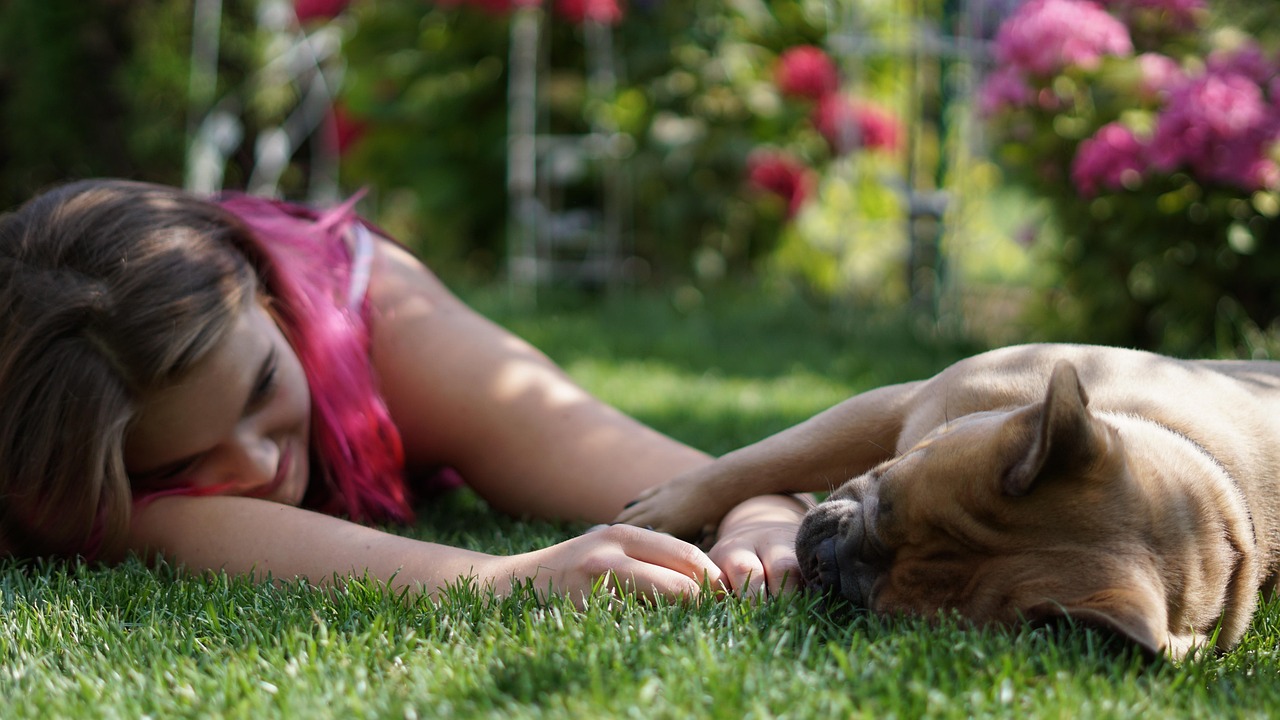
Gentle daily care isn’t about perfection—it’s about presence. Small, thoughtful actions repeated each day create a sense of balance that pets can rely on. When movement, rest, comfort, and attention come together naturally, pets feel supported without being pushed.
By staying observant and flexible, you create a rhythm that grows with your pet over time. In the end, it’s this steady, caring approach that helps pets stay active, balanced, and quietly content in everyday life.