
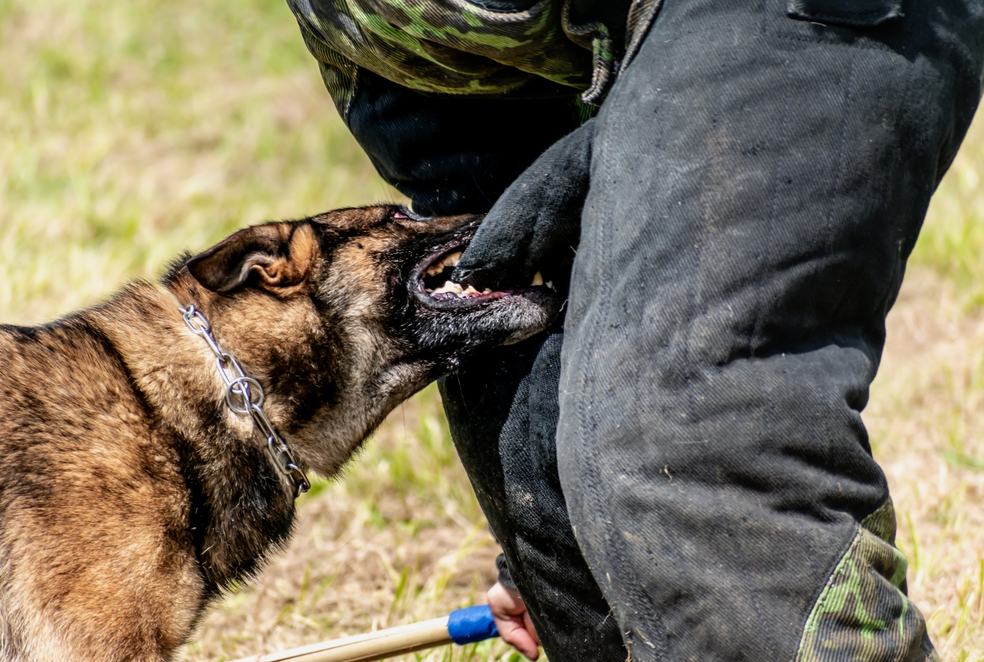
A dog bite case can become harder to sort out once people describe the attack differently. One person may remember a loose dog, while another says the animal was under control. Someone may recall a warning, while another says nothing was said. In Dallas, TX, these differences can leave important facts buried under conflicting accounts.
For victims seeking legal help for dog bite victims in Dallas, TX, the focus may be on gathering reliable information and separating known facts from disputed details. A careful review can bring records, witnesses, and other evidence into one clearer picture for everyone involved.
Start With the Details Being Disputed
Before looking at every record, identify the parts of the story that do not match. The disagreement may involve where the attack happened, how the dog approached, whether it was restrained, or what happened just before the bite.
The question is not simply which person sounds more convincing. Each disputed point can be checked against available information. A clear list of disagreements gives a reviewer a place to begin.
Build a Timeline Around the Evidence
A timeline can turn a confusing account into a sequence of events. Start with what is known about the setting and move through the events that led to the injury and medical response.
Photographs, medical records, witness accounts, messages, reports, and other documents may support different parts of that timeline. One record may confirm a date, while another may provide location details. The value comes from looking at sources together instead of relying on one statement.
Evidence From the Location
The place where the attack happened may contain useful details. Photos can show gates, fences, signs, walkways, entrances, or other features around the property. They may also show how people and animals moved through the area.
Conditions can change after an incident. A gate may be repaired, a sign may be moved, or the area may look different later. Preserving available information about the location can keep those details from being forgotten.
Evidence From Other Records
Records outside the scene can add another layer to the account. Animal control records, medical documents, insurance communications, photographs, and available video may contain facts that are not included in personal statements.
Keep these materials organized so the source and date of each item are clear. An orderly file can make it easier to compare one record with another.
Witnesses Can Add Another Version
A witness may have seen only part of the event, but that part can still add useful information. Someone nearby may have noticed where the dog was, who was with it, or what happened before the attack.
Names and contact details should be preserved if available. Witness information should reflect what the person actually observed. Different accounts can then be compared with photographs, records, and other evidence.
Look Beyond the Dog Owner
A disputed attack may involve more people than the dog owner. Depending on the circumstances, an investigation may identify the person caring for or handling the animal, a property owner, or a landlord or property manager.
That does not mean every person connected to the dog is legally responsible. The surrounding roles may still be worth identifying so the facts can be reviewed. Knowing who controlled the animal or property can help explain the setting.
How Insurance May Handle Conflicting Details
Insurance companies may review statements, photographs, medical records, reports, and other documents as part of a claim. If those sources do not line up, additional information may be requested.
Keeping copies of claim forms, letters, emails, and other communications can preserve the history of the claim. Clear records make it easier to see what information was provided.
Where Legal Review Can Add Clarity
Legal review can involve comparing different parts of the record. A professional may examine statements alongside photographs, witness information, medical records, reports, and other evidence.
The purpose is not to promise a particular result. It is to identify gaps, compare conflicting details, and understand what information is supported by the record. That review can help if the accounts do not match.
Closing Thoughts
A disputed dog bite story does not consist of only two competing statements. The record may include photographs, witness accounts, medical documents, animal control records, property details, and insurance communications. Each source can add a piece to the overall picture.
For Dallas, TX residents looking for legal help for dog bite victims, keeping these records organized can give a legal professional a clearer file to review. The goal is not to force the facts into one version of events. It is to preserve what can be shown, identify what remains disputed, and give each piece of evidence the attention it deserves.