
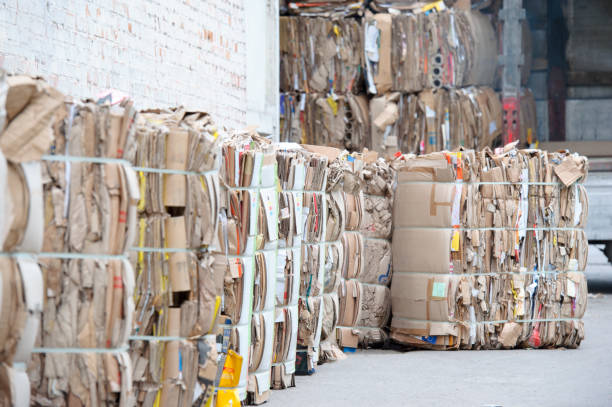
All businesses generate waste, and someone is responsible for it. There are typically two types of providers: a large, national company that processes waste or a smaller local company that processes waste. Both of these are not necessarily suitable for everyone. This guide is fair, so you can choose the partner that suits your size, budget, and objectives.
What Each Option Really Means
Big waste companies operate large vehicles throughout numerous regions and frequently manage all types of waste from general waste to hazardous waste in one place. A local recycler operates in a more limited scope and may specialize in a limited number of materials, like paper and cardboard. Quality is not a completely determinate thing based on size. The key is that the provider is a good fit for the work you need to be done.
Where Local Recyclers Often Stand Out

Local operators are known for providing flexible and personalized service. Australian-owned companies like AB Recycling specialise in certain materials and the businesses they serve, which can lead to faster quotes and more flexible pick-up times, as well as knowing your business and account. Some smaller companies may be able to adjust the schedules or bins for the space you have. A local recycler may have a better grasp on being able to call and speak with the same team.
Where Big Companies Have the Edge
There are good things about big providers. They can provide services to multiple locations with the same contract, benefiting businesses that have multiple locations. They’re also good at gathering a variety of waste materials, such as general, food, and special waste, meaning you don’t have to deal with multiple suppliers. They can also come in larger sizes, which can imply robust backup systems, huge fleets, and detailed reporting equipment. That scale can be a valuable instrument if a child has complex needs.
Compare Reliability And Backup
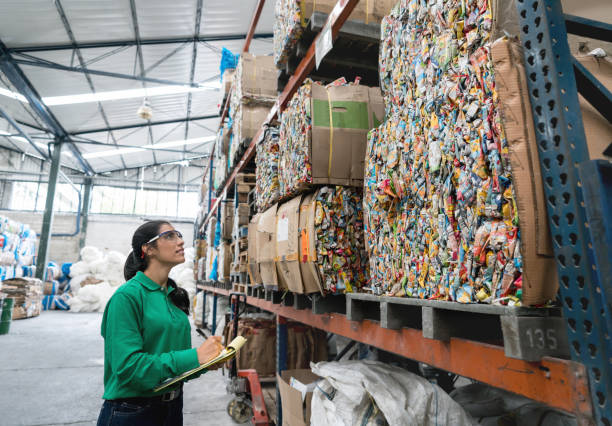
The most important thing about a device is its level of reliability, and not its size. Inquire with each provider regarding the frequency of collections that are missed and what is done when they are missed. A responsible partner will have to find a way to pick up a player as soon as possible and let them know how. Inquire about trucks and staffing, and contingency plans for busy times. A brochure can’t tell you as much as a review from similar businesses.
Look At Contracts And Pricing
There may be widely varying pricing. Some providers require longer agreements; others require shorter or rolling agreements. Get details on set-up fees, fuel surcharge, bin rental fees, and additional pick-up fees. Request a detailed written quote and make sure you compare the overall job rate instead of just the headline rate. It’s important to be flexible if your volume varies during the year.
Think About Your Sustainability Goals
If your company needs to reduce waste and increase recycling, inquire of each supplier about their waste management practices. What happens to the cardboard? Are there any reports on how much you recycled? Some customers are looking for certificates or data to use for their own Green Targets. Select a partner that has the same direction as you and stay away from any general statements with no specifics.
A Simple Way To Decide
With the needs first. Identify the types of waste generated, the amount of waste generated, and the number of sites you have. Then pose the following questions to each of the short-listed providers in regard to price, reliability, flexibility, and recycling results. A local expert may be a solid option if you have only one location and have a predominance of paper and cardboard. If you have a lot of sites, or a variety of waste, a bigger provider may be easier to work with. If available, do a short trial.
Conclusion
The greatest trash and recycling partner is the one that is ideal for your company, not the largest or smallest. Make a list of the services, reliability, price, and sustainability, and then ask questions before committing to anything. Do a little research now to save money, time, and frustration later on.