
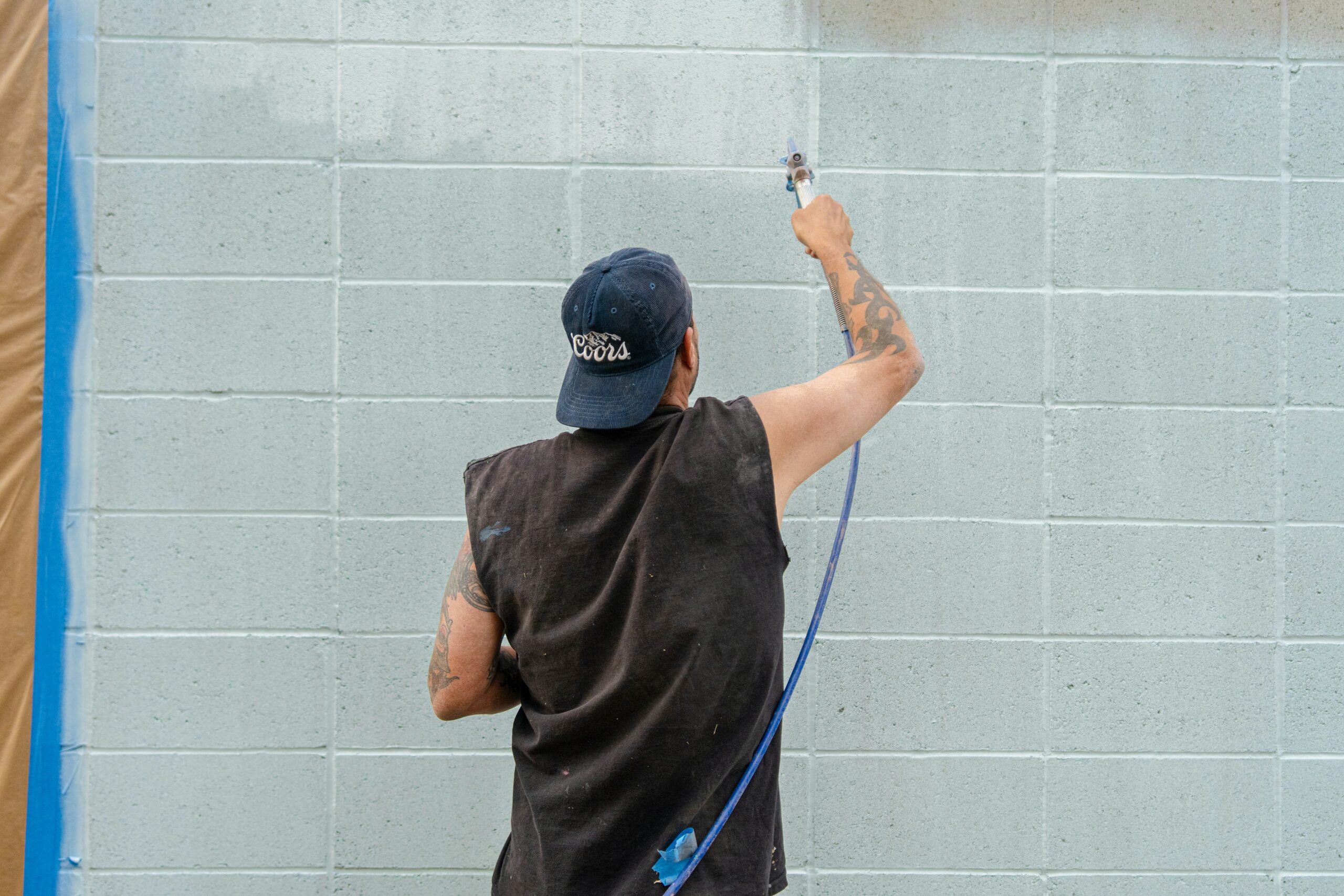
Spray paint offers remarkable versatility for creative projects, home improvement tasks, and artistic endeavours. From refreshing tired furniture to creating stunning murals, this accessible medium delivers professional-looking results when applied with proper technique. Whether you’re embarking on your first spray painting project or seeking to refine your skills, understanding the fundamentals transforms amateur attempts into polished achievements.
Essential Preparation: Setting Yourself Up for Success
The difference between a flawless finish and a disappointing outcome often lies in preparation rather than application technique. Investing time in proper setup prevents common frustrations like drips, uneven coverage, and overspray damage.
Workspace Considerations
Always work in well-ventilated areas, preferably outdoors or in spaces with excellent airflow. Spray paint releases volatile organic compounds (VOCs) that require adequate ventilation for safety. If working indoors proves necessary, open windows, use fans to create cross-ventilation, and consider wearing a respirator rated for organic vapours.
Protect surrounding surfaces meticulously. Spray paint travels farther than most people anticipate—a light breeze or enthusiastic application can deposit overspray several metres from your intended target. Use drop cloths, newspapers, or cardboard to shield floors, walls, and nearby objects. Masking tape creates crisp lines when you need to protect specific areas of your workpiece.
Surface Preparation
Surface preparation determines how well paint adheres and how long your finish lasts. Clean surfaces thoroughly to remove dirt, grease, and contaminants that prevent proper bonding. For metal surfaces, remove rust with wire brushes or sandpaper. Wood surfaces benefit from light sanding to create texture that helps paint grip.
Primer application proves essential for many projects, particularly when painting previously finished surfaces, bare wood, or materials like plastic and metal. Primers create uniform surfaces that accept topcoats evenly whilst improving adhesion and durability. Match your primer to both the surface material and your topcoat for optimal results.
Mastering Application Technique
Proper spray painting technique separates amateur work from professional finishes. The fundamentals remain consistent across projects, though specific materials and desired effects may require adjustments.
The Perfect Distance and Motion
Maintain a consistent 20-30 centimetre distance between the spray can and your surface. Closer application risks drips and runs, whilst excessive distance produces rough, sandy textures as paint particles dry before reaching the surface. Test on cardboard first to establish the optimal working distance for your specific paint and conditions.
Move the can in smooth, steady strokes parallel to the surface rather than arcing your arm. Begin your stroke before pressing the nozzle and release after completing each pass—this prevents paint build-up at starting and stopping points. Overlap each pass by roughly 50% to ensure even coverage without creating visible lines between strokes.
Building Layers for Flawless Coverage
Resist the temptation to achieve complete coverage in a single coat. Multiple thin coats always produce superior results compared to one heavy application. Thin coats dry faster, resist sagging, and create smoother finishes. Most projects require 2-4 coats depending on the paint’s opacity and the contrast between surface and topcoat colours.
Allow adequate drying time between coats—rushing this step causes the fresh coat to disturb the previous layer, creating wrinkles and uneven textures. Touch-dry times vary with paint formulation, humidity, and temperature, but 15-30 minutes typically suffices for light recoating. For those seeking detailed guidance on how to use spray paint effectively, understanding these timing considerations proves crucial for achieving professional results.
Advanced Techniques for Creative Effects
Once you’ve mastered basic application, experimental techniques unlock spray paint’s full creative potential.
Gradient and Fade Effects
Creating smooth colour transitions requires patience and practice. Start with your lightest colour as a base coat. Add your second colour gradually, building intensity through multiple light passes whilst leaving the base colour visible in areas you want lighter. Blend the transition zone with extremely light, overlapping passes that feather the colours together.
Stencilling and Masking
Stencils transform simple spray paint into intricate designs. Secure stencils firmly to prevent paint bleeding underneath—repositionable spray adhesive works brilliantly for this purpose. Apply paint perpendicular to the surface using very light coats to avoid paint creeping under edges. Remove stencils whilst paint remains slightly tacky for the cleanest edges.
Texture and Splatter Techniques
Deliberately creating texture adds visual interest to artistic projects. Varying your distance and stroke speed produces different effects—very close, quick bursts create dense spots, whilst distant, sweeping passes yield fine mists. Partially blocking the nozzle with your finger creates splatter effects popular in urban and contemporary art.
Troubleshooting Common Issues
Even experienced painters encounter occasional problems. Understanding solutions prevents minor setbacks from ruining projects.
Drips and Runs
Drips result from excessive paint application. If caught immediately whilst paint remains wet, carefully dab excess with a lint-free cloth. For dried drips, allow complete curing, then sand smooth before recoating. Prevention through thin coats and proper technique beats remediation every time.
Orange Peel Texture
This dimpled, citrus-skin appearance stems from paint drying too quickly before levelling. Causes include excessive distance, hot conditions, or inadequate paint flow. Work in moderate temperatures, maintain proper distance, and ensure cans reach room temperature before use. Lightly sanding between coats with fine-grit paper helps minimise this texture.
Clogged Nozzles
Nozzle clogs frustrate many users. Prevent blockages by inverting cans and spraying until only propellant emerges after each session—this clears paint from the nozzle mechanism. If clogs occur, remove the nozzle and soak it in paint thinner, then clear the opening with a pin.
Safety and Environmental Considerations
Responsible spray painting protects both yourself and the environment. Always wear appropriate personal protective equipment including safety glasses and gloves. Respirators prove essential for extended projects or when working with solvent-based paints in enclosed spaces.
Dispose of empty cans properly—many jurisdictions classify aerosol paint cans as hazardous waste requiring special disposal. Never puncture or incinerate spray paint cans, as residual propellant creates explosion risks.
Frequently Asked Questions
Can I spray paint in cold weather?
Temperature significantly affects spray paint performance. Most formulations work best between 10-27°C. Cold temperatures thicken paint, reducing flow and creating uneven coverage, whilst excessive heat accelerates drying, causing orange peel texture. If you must work in cold conditions, warm cans in lukewarm water (never hot) before use, and allow extended drying times between coats.
How long should I wait before handling spray-painted objects?
Touch-dry times range from 15 minutes to several hours depending on formulation and conditions, but full cure requires considerably longer. Most spray paints reach handling strength within 24 hours, though complete curing may take up to a week. For items receiving heavy use or stress, allow 72 hours minimum before subjecting them to normal wear.
Do I need to sand between coats?
Light sanding between coats isn’t always necessary but improves results, particularly on the first coat where imperfections are most visible. Use fine-grit sandpaper (220-320 grit) very lightly to smooth any roughness without cutting through the paint layer. Remove sanding dust thoroughly with a tack cloth before applying subsequent coats.
Can I spray paint over existing paint?
Yes, provided the existing finish is sound and properly prepared. Clean thoroughly, sand to create texture for adhesion, and apply appropriate primer. Glossy surfaces require more aggressive sanding than matte finishes. Peeling or flaking paint must be removed completely before recoating, as new paint won’t improve a failing base.
Why does my spray paint look blotchy?
Blotchy coverage typically results from inadequate surface preparation, inconsistent application distance, or attempting one-coat coverage. Ensure surfaces are clean and primed appropriately. Maintain consistent distance and overlap strokes by 50%. Build coverage gradually through multiple thin coats rather than trying to achieve opacity in one pass.
Conclusion
Spray painting mastery develops through understanding fundamentals and embracing practice. Proper preparation, patient application, and attention to environmental conditions separate disappointing results from professional-quality finishes. Whether refreshing household items, pursuing artistic expression, or tackling renovation projects, these techniques provide the foundation for success. Start with simple projects to build confidence and technique, then progressively challenge yourself with more complex applications. The versatility and accessibility of spray paint make it an invaluable tool for creators at every skill level—one that rewards careful technique with stunning, durable results.