
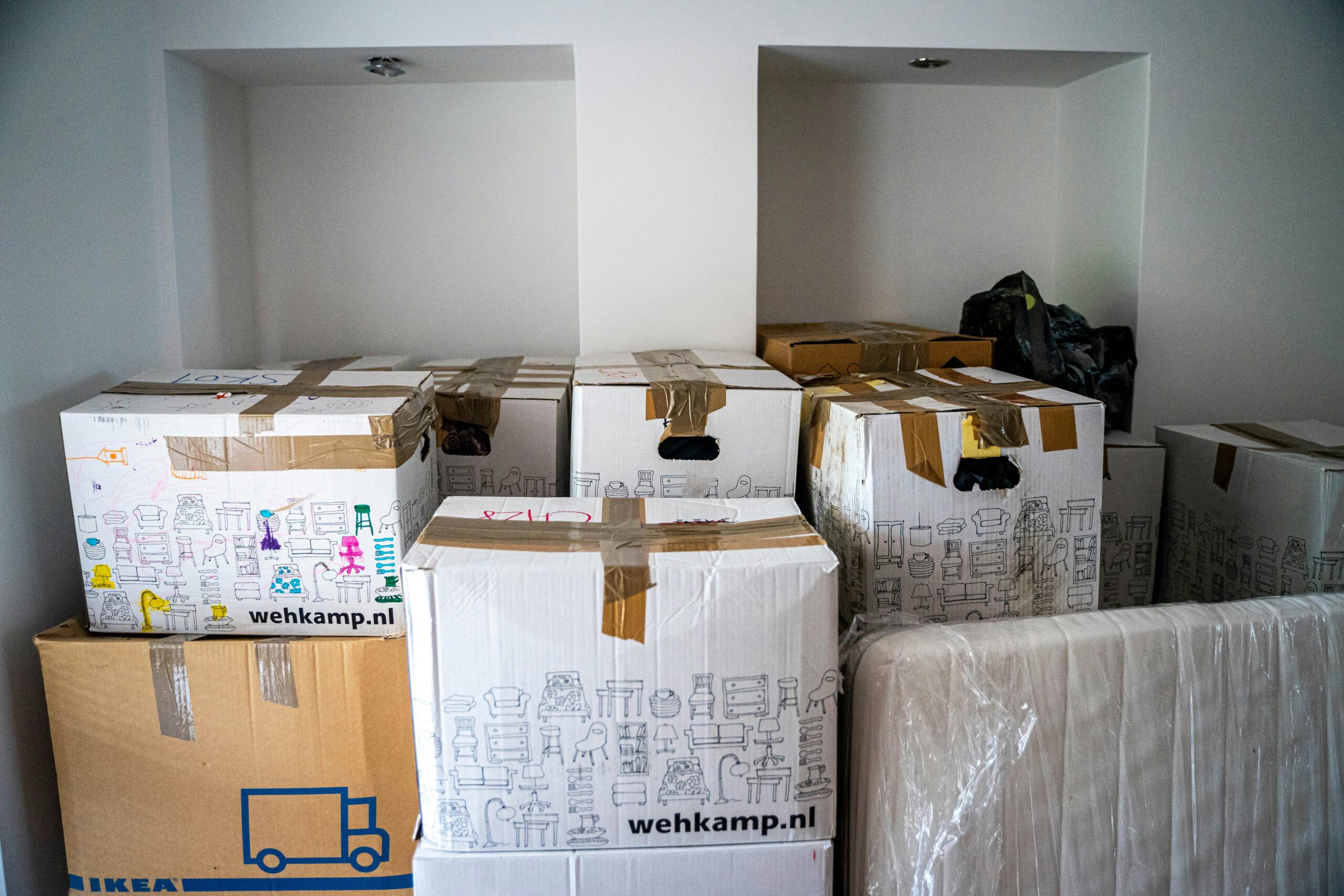
We thought we were prepared. Spreadsheets, color-coded boxes, a moving company booked three months in advance. And we still showed up at the new house on day one completely frazzled, missing half the things we actually needed, with two overtired kids and no idea where the nearest supermarket was.
Long-distance moves have a way of humbling you, no matter how organized you think you are. If you’re in the middle of planning one, here are the things that genuinely surprised us – and a few things I wish someone had told me before we started.
Nobody Warns You About the Car Situation
This one blindsided us completely. We’d sorted flights, arranged movers, figured out where the kids would sleep on arrival night – and then someone asked “so who’s driving the car there?” and we both just looked at each other.
Driving cross-country sounds doable until you actually sit with what it involves. We’re talking multiple days on the road, nights in hotels, food stops every few hours, and a lot of miles going on a car that doesn’t need them. With young kids in the back, that’s a different kind of exhausting.
What a lot of families do – and what we ended up doing – is use a door-to-door car shipping service where someone comes to your house, collects the vehicle, and delivers it to your new address. You fly separately, you arrive rested, and the car is there waiting. Mile Auto Transport does exactly this kind of service, picking up directly from your driveway so you’re not dealing with drop-off terminals on top of everything else.
It cost less than we expected and genuinely removed one of the most stressful parts of the whole move.
Kids Need More Goodbye Time Than You Give Them
Adults move through goodbyes quickly because we’re busy. Kids don’t.
Our youngest needed to say goodbye to the park down the road. Not just once – several times, over several days. Our older one wanted to visit the local cafe we went to every Saturday morning and just sit there for a bit. It felt unnecessary to us at the time. Looking back, those small rituals mattered enormously to them.
If you can, build proper goodbye time into your schedule before you leave. A small get-together with close friends, a last visit to favourite places, letting the kids take photos of their room and their school. It sounds like extra work in an already hectic few weeks, but it’s the kind of thing they’ll thank you for later.
You’ll Wish You’d Researched the New Area Sooner
There’s a specific disorientation that comes from arriving somewhere and not knowing where anything is. Which supermarket is closest? Is there a park the kids can walk to? Where’s the nearest GP? For the first two or three weeks we were Googling everything from scratch, often at the worst possible moments.
Before you move, spend an evening or two doing basic research on your new neighbourhood. Join a local Facebook group or look up a neighbourhood app for the area. Find one or two places that look like they could become regulars – a coffee shop, a park, a playground. Having even a loose mental map of where things are makes the first week feel much less disorienting.
The “First Night Box” Is Not Optional
Pack one box – one per family member if you can – that contains everything you’ll need for the first twenty-four hours. Pyjamas, a change of clothes, toothbrush, phone charger, a comfort item for each child, basic snacks, a couple of plates and cups if your kitchen stuff is buried somewhere in the van.
Label it clearly. Put it somewhere you can access immediately when you arrive.
This sounds obvious. We didn’t do it. We spent the first night at our new house digging through boxes at 10pm trying to find toothbrushes while the kids melted down. Learn from us on this one.
The Address Change List Is Longer Than You Think
Bank accounts, insurance, subscriptions, school records, medical records, the electoral roll, the DVLA, every online shop with your card saved to it – the list of places that need your new address is genuinely long.
Start it at least a month before you move and work through it in chunks. Set up a mail redirect so anything you miss still finds you while you get sorted. It takes a couple of hours total but saves weeks of things going to the wrong address and being impossible to track down.
The Emotional Slump Is Real, Even If the Move Was Your Choice
Nobody really talks about this part. You’ve moved somewhere new, possibly somewhere exciting, somewhere you chose – and you still feel flat for a few weeks. The familiar rhythms are gone, you don’t really know anyone yet, and everything requires slightly more effort than it used to.
That’s completely normal. It passes. But it helps to name it rather than wondering why you’re not feeling the excitement you expected.
The thing that helped most for us was building small routines early. A regular walk in the new neighbourhood, finding a coffee shop we liked, exploring somewhere new each weekend. The sense of familiarity builds faster than you’d think once you start actively creating it.
It Gets Better Faster Than You Expect
The first month is the hardest. The second month is noticeably easier. By month three, the new place starts to feel like home in ways that genuinely surprise you.
Moving with a family is a lot – there’s no getting around that. But the families who come out of it best are usually the ones who planned the practical stuff early, gave the emotional stuff the time it needed, and were honest with themselves that it takes a little while to settle in.
You’ll get there.