
Picture an adjuster calling two days after a pickup rams your sedan on Gravois Avenue. He sounds warm, offers $2,500, and promises a check by Friday. Ask any St. Louis car accident attorney and you will hear one blunt warning: fast money is usually the cheapest money a crash victim will ever see.
Most wreck advice tells people to hurry. Call the insurer, sign the forms, close the file, move on.
That advice gets it backward.
Fast on Proof, Slow on Money
After a collision, evidence spoils quickly, yet an injury claim gains value as the full medical picture comes into focus. So the smart driver races to collect proof and refuses to rush any payout.
Insurers understand this timing gap better than anyone. A claim settled in week two cannot cover the shoulder surgery a doctor recommends in month four. Once a release is signed, that door closes for good.
Across St. Louis, this pattern plays out daily on I-70, I-44, and the Poplar Street Bridge, where sudden merges and abrupt stops produce a steady stream of rear-end claims.
Five moves put this idea to work.
1. Grab Traffic Footage Before It Disappears
Cameras watch plenty of ground across St. Louis, from Kingshighway intersections to Delmar Loop storefronts. Many of those systems record over old video within days or weeks.
During the first week, try to gather:
- Photos of every vehicle, skid mark, and road sign at the scene
- Names and phone numbers of anyone who saw the impact
- A report number from St. Louis police or St. Louis County officers
- Addresses of nearby shops, gas stations, or homes with cameras
- Dashcam clips from your car or a passing rideshare
A lawyer can send preservation letters asking businesses and agencies to save footage. Without that request, the strongest witness in a case might vanish during a routine overwrite.
Road conditions matter too. If ice on an overpass or a sudden lane shift near an I-64 work zone played a role, MoDOT maintenance logs and weather records can show the road itself helped cause the collision. Ask for those records early, while staff still remember the details.
2. Say Less to the Other Driver’s Insurer
The adjuster on the opposite side works for a company that profits when payouts shrink. A pleasant tone does not change that job. Adjusters working St. Louis claims often reach out within a day or two, before victims have even seen a doctor.
Many will request a recorded statement early. A casual phrase like “I’m doing okay” can later appear in a file as proof you were not hurt. You can politely decline and share only basic facts such as your name, contact details, and the crash location.
Missouri follows pure comparative fault. That rule lets an injured driver recover money even when partly to blame, but every percentage point of blame trims the award. Careless words hand the insurer an easy reason to push that figure higher.
3. Treat Every Doctor Visit as Evidence
Adrenaline masks pain. Whiplash, concussions, and back injuries often surface a day or two later.
Get examined quickly, even if you feel fine. Then stick with the treatment plan, from physical therapy sessions to follow-up scans. Gaps between appointments give adjusters a convenient story: if it truly hurt, why skip three weeks?
Keep a folder with bills, receipts, mileage to appointments, and notes from employers about missed shifts. A short daily pain journal also helps. Jurors connect with real details far more than vague complaints.
Wait until your doctor says you have reached maximum medical improvement before discussing settlement numbers. That milestone reveals what recovery actually costs.
4. Read Your Own Policy Line by Line
Plenty of Missouri motorists carry only the state minimum of $25,000 per person in bodily injury coverage. One ambulance ride, an emergency room visit, and a few weeks of lost paychecks can eat a large chunk of that.
Your own policy may fill the gap. Missouri requires uninsured motorist coverage, and many people also buy underinsured protection or medical payments coverage without remembering it. Pull up the declarations page and look for those lines before assuming the at-fault driver’s limits cap your recovery. Check for rental reimbursement as well, since body shop repairs can stretch for weeks.
Rideshare collisions add another layer, especially around busy St. Louis nightlife spots like Washington Avenue. Whether an Uber or Lyft driver had the app open, and whether a passenger was aboard, changes which policy applies and how much coverage sits behind it.
5. Let the Calendar Work for You
Missouri gives most injured drivers five years to file a lawsuit, one of the longest windows in the country. That cushion is a genuine advantage, because it removes pressure to accept a weak early offer.
Stay alert, though. Lawmakers have made repeated attempts to shorten that deadline, and the 2026 effort stalled in the Senate. Future sessions could revive it.
Some claims also run on much tighter clocks. Cases against a city or other government body can carry special notice rules, some as short as 90 days, and wrongful death claims face a three-year limit. Patience on settlement never means ignoring these dates.
Quick Answers for Injured Drivers
Should I accept the first settlement offer after a crash?
Usually not. Early offers tend to arrive before doctors know the full extent of an injury. After signing a release, nobody can reopen the claim, even if surgery becomes necessary later.
Can I still recover money if I was partly at fault?
Yes. Under Missouri’s pure comparative fault rule, an award drops by your share of blame instead of disappearing. Someone found 30 percent responsible could still collect 70 percent of their damages.
Do I need a lawyer for a minor fender bender?
Not always. If nobody was hurt and damage is small, handling it yourself can make sense. Injuries, disputed fault, commercial trucks, or a lowball offer are solid reasons to request a free case review from a local firm.
The Bottom Line
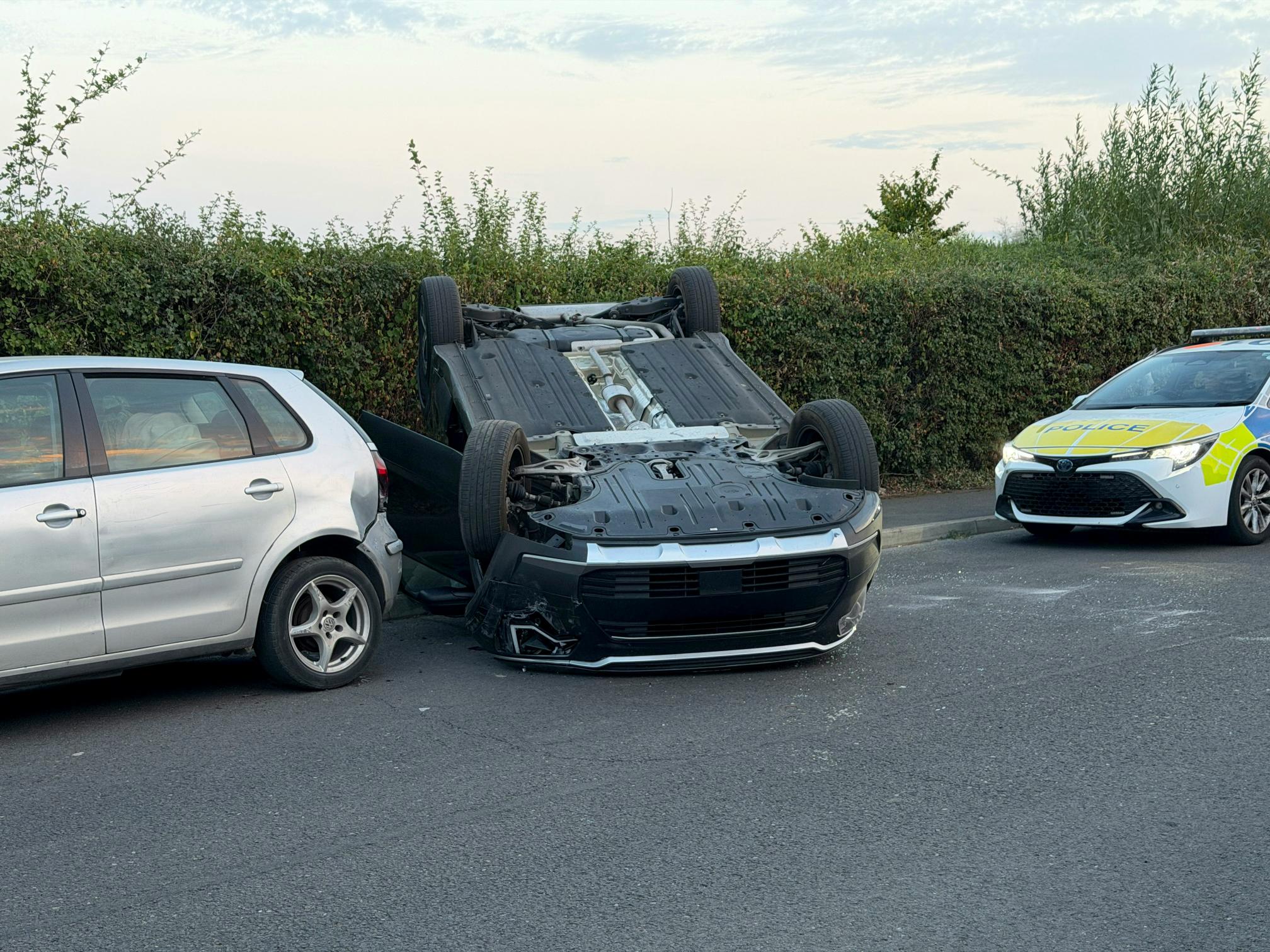
A wreck flips life upside down in seconds, but a fair recovery takes a steadier pace. Collect proof while it still exists, guard your words, document healing, study your coverage, and respect every deadline. Drivers in St. Louis who follow that order give themselves the firmest footing when negotiations finally begin. If questions linger, a short consultation costs nothing and reveals options most people never knew existed.