
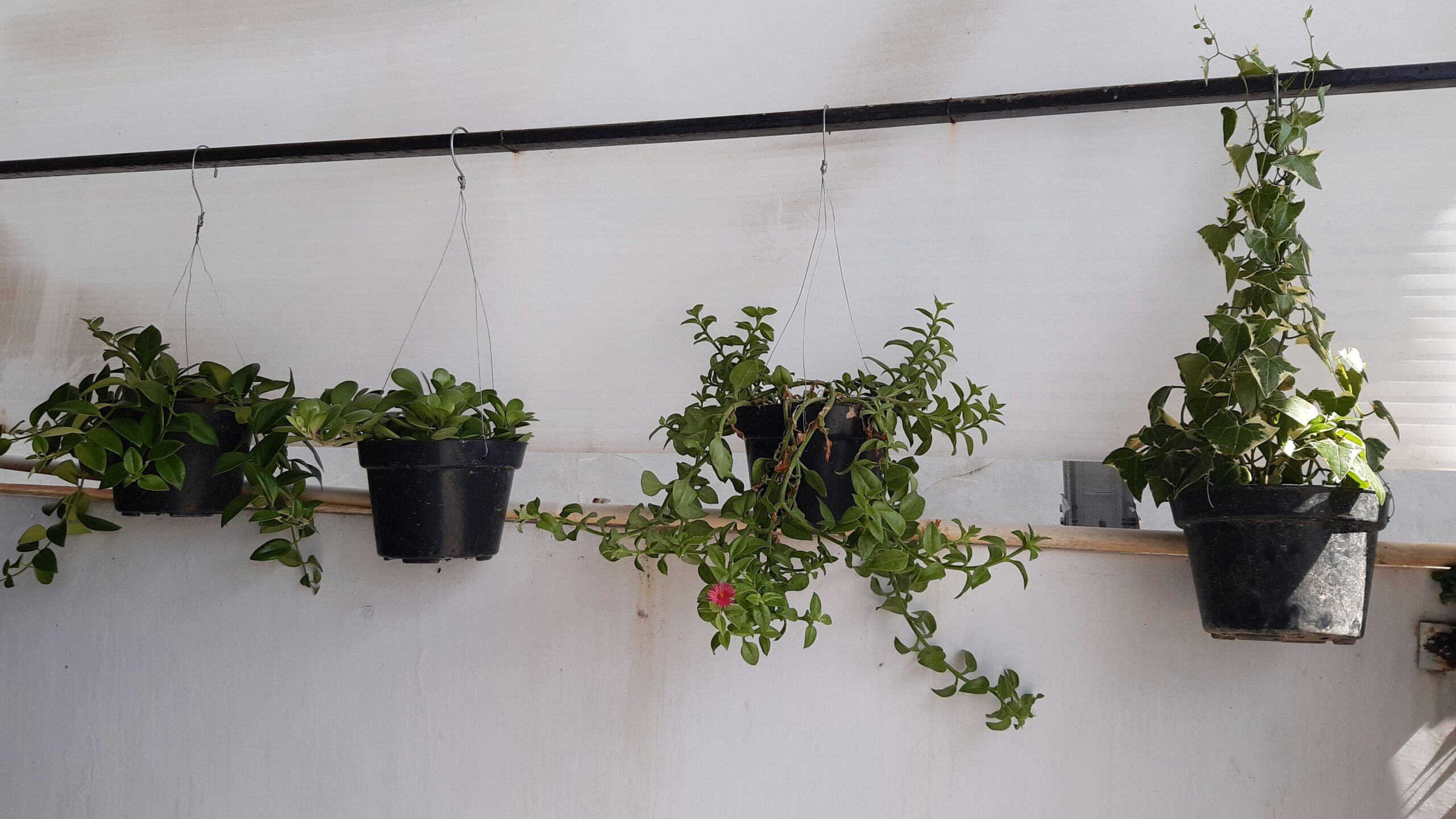
Gardening on a balcony might feel like a small-scale dream, but the rewards are bigger than you think. In the hustle of city life, having a little patch of green is more than just a luxury – it’s a joy. Balcony gardening doesn’t require large amounts of space or a mountain of gardening experience – just a bit of know-how, some patience, and the right plants. So, if you’re ready to transform your balcony into a mini oasis, here’s how to get started…
The Rise of Balcony & Urban Gardening
Over the past few years, more people have embraced balcony and urban gardening, and for good reason. As more of us live in apartments or houses with limited garden space, we’ve learned how to make the most of small outdoor areas. What started as a way to grow a few herbs for cooking has blossomed into a movement where entire vegetable gardens thrive on balconies and window ledges. With access to fresh produce right outside your door, you’re not only saving money on groceries but also cutting down your carbon footprint.
Choosing the Right Crops
Not every plant is suited to small spaces, but the good news is that plenty of veggies love a cosy corner. When picking your crops, think about the amount of sunlight your balcony gets and the size of your containers. Some vegetables, like leafy greens, carrots, and radishes, thrive in smaller spaces and don’t need as much attention. If you’ve got a sunny spot, why not try your hand at growing a couple of tomato plants? They’re surprisingly adaptable to containers and love the sun. You could even grow herbs like basil, mint, and parsley, which don’t take up much room and will be ready to use within weeks.
Space-Saving Techniques
The trick to gardening in small spaces is maximising what little space you have. Vertical gardening is one of the most effective ways to make the most of your balcony. Hanging planters, shelves, or wall-mounted pots can add greenery without cluttering the floor. You could even set up a trellis to allow plants like cucumbers or peas to grow upwards, freeing up precious ground space. Container gardening is another key strategy. Choose pots with good drainage and use lightweight materials like plastic or ceramic. You can even repurpose old containers, such as buckets or crates, as long as you make drainage holes.
Practical Care Tips
Taking care of your balcony garden doesn’t need to be a chore. Start by choosing the right soil for your plants. Look for a light, well-draining mix to ensure your veggies get the nutrients they need. Watering is one of the most crucial aspects – it’s easy to forget that containers dry out faster than garden beds. Keep a close eye on your plants, particularly on hot days, and water early in the morning or later in the evening to avoid evaporation. And while you might not have pests like slugs or snails on your balcony, it’s still a good idea to check your plants regularly for any signs of disease or insect problems. A gentle rinse with water can clear away pests like aphids.
Before you know it, you’ll be harvesting your very own balcony-grown vegetables. It’s a rewarding way to brighten up your space, save money, and add a personal touch to your meals.