
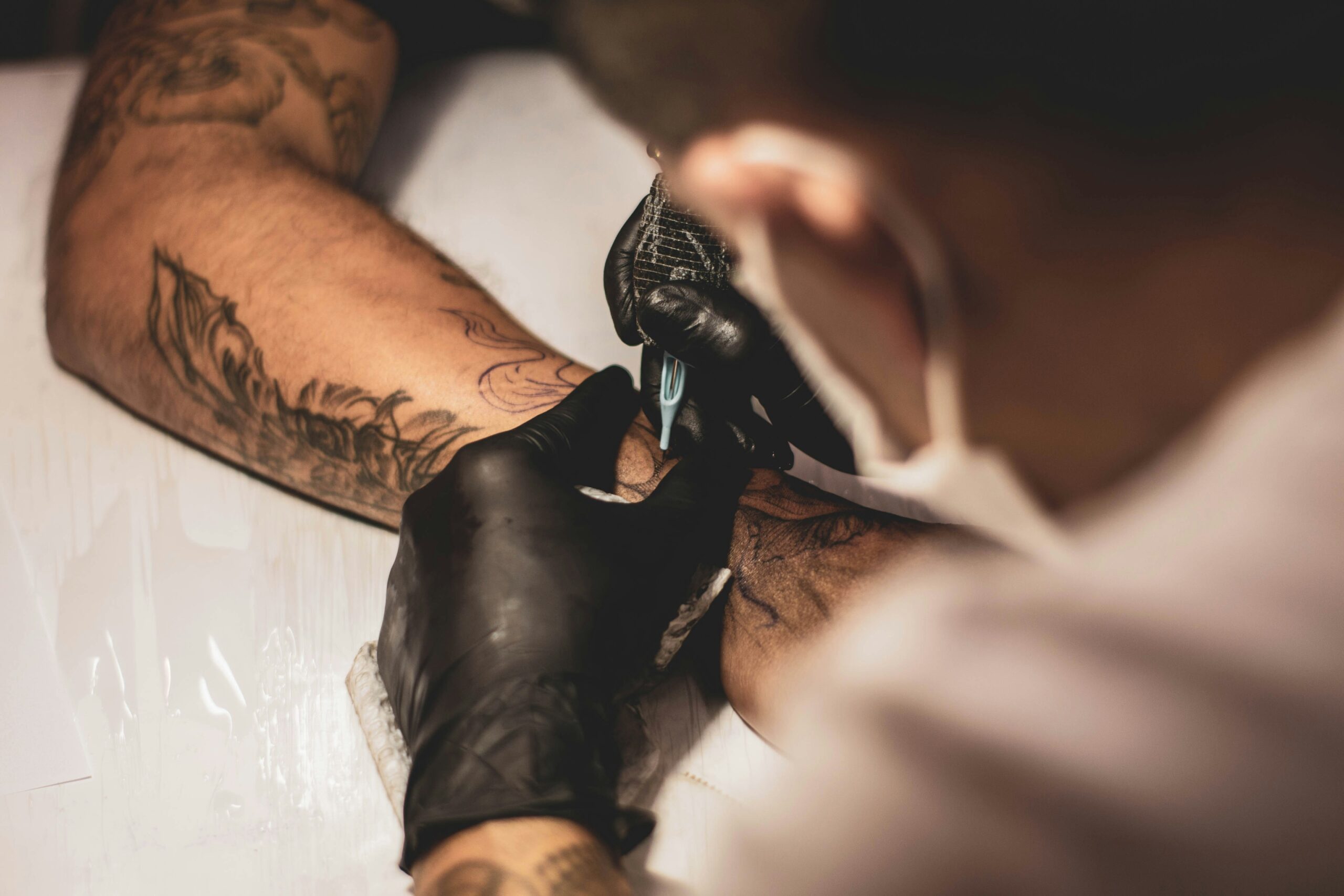
In today’s world, tattoos have become increasingly popular as a form of self-expression and art. However, there are times when people may want to remove their tattoos for various reasons, such as changing personal preferences, career requirements, or even tattoo regret. Fortunately, modern tattoo removal techniques have come a long way, offering more effective and less painful options compared to traditional methods.
Understanding Tattoo Removal
Before diving into the different tattoo removal methods, it’s essential to understand how tattoos work. When you get a tattoo, the ink is injected into the dermis, the second layer of your skin. Your immune system recognizes the ink as a foreign substance and tries to remove it, but the ink particles are too large to be eliminated, resulting in a permanent tattoo.
Laser Tattoo Removal
Laser tattoo removal is the most popular and effective method for removing unwanted tattoos. It works by using high-intensity laser beams to break down the ink particles into smaller fragments, which can then be absorbed and eliminated by the body’s immune system. The most common type of laser used for tattoo removal is the Q-switched laser, which emits short, powerful pulses of light energy.
Tattoo Removal Creams and Ointments
There are several over-the-counter tattoo removal creams and ointments available in the market that claim to fade or remove tattoos. However, most of these products are ineffective and can even cause skin irritation or allergic reactions. It’s crucial to be cautious when considering these options and always consult with a professional before trying any at-home tattoo removal methods.
Surgical Tattoo Removal
Surgical tattoo removal involves cutting out the tattooed skin and stitching the remaining skin back together. This method is generally considered a last resort and is only used for small tattoos or when other removal methods have failed. Surgical tattoo removal can leave scars and may not be suitable for everyone.
Dermabrasion and Excision
Dermabrasion is a technique that uses a rotating abrasive device to remove the top layers of the skin, including the tattoo ink. This method can be painful and may cause scarring. Excision, on the other hand, involves cutting out the tattooed skin and closing the wound with stitches. Both dermabrasion and excision are less common than laser tattoo removal and are typically only used in specific cases.
Choosing the Right Tattoo Removal Method
When considering tattoo removal, it’s essential to consult with a professional to determine the best method for your specific case. Factors such as the size, location, and color of your tattoo, as well as your skin type and overall health, can all impact the effectiveness of different removal techniques.
Toronto’s leading tattoo removal clinic offers state-of-the-art laser technology and experienced professionals who can help you achieve the best possible results. They provide personalized treatment plans tailored to your individual needs and goals, ensuring a safe and effective tattoo removal experience.
Aftercare and Results
Regardless of the tattoo removal method you choose, proper aftercare is crucial to ensure optimal healing and results. Your tattoo removal specialist will provide you with detailed instructions on how to care for your skin following the procedure, including keeping the area clean, moisturized, and protected from sun exposure.
It’s important to remember that tattoo removal is a gradual process and may require multiple sessions to achieve the desired results. The number of treatments needed will depend on various factors, such as the size, color, and age of your tattoo, as well as your skin type and the removal method used.
In conclusion, modern tattoo removal techniques offer a range of options for those looking to remove their unwanted tattoos. From laser tattoo removal to surgical methods, there are several ways to achieve clearer, ink-free skin. By understanding the different techniques available and consulting with a professional, you can make an informed decision and take the first step towards saying goodbye to your tattoo regret.