

Vehicles represent significant investments for both individuals and businesses alike. Making smart decisions throughout a vehicle’s lifecycle determines whether that investment pays dividends or drains resources unnecessarily.
From the moment you acquire a vehicle to its eventual retirement, every choice impacts your bottom line. This guide covers the essential strategies for maximising value at every stage of vehicle ownership and management.
Rethinking Vehicle Acquisition
The traditional approach to vehicle needs involves purchasing assets outright, but this isn’t always the smartest financial decision. Modern vehicle management recognises that flexibility often trumps ownership in terms of total cost effectiveness.
Seasonal businesses face particular challenges when it comes to vehicle capacity. Owning enough trucks or trailers to handle peak periods means watching expensive assets sit idle during slower months.
Rental and hire options have evolved dramatically to meet diverse business needs. Today’s rental providers offer everything from single-day hires to multi-year arrangements with full maintenance support.
For businesses requiring heavy vehicles or specialised equipment, trailer hire Sydney services provide access to quality equipment without the burden of ownership.
These arrangements prove particularly valuable for project-based work, seasonal peaks, or testing new market opportunities.
The financial advantages of strategic rental extend beyond avoiding purchase costs. You eliminate depreciation concerns, reduce maintenance responsibilities, and preserve capital for core business investments.
Matching Vehicles to Actual Needs
One of the most common and costly mistakes in vehicle management is mismatching equipment to requirements. Oversized vehicles waste fuel and money, while undersized options limit capability and efficiency.
Conduct honest assessments of your actual usage patterns before committing to any vehicle. Track what you really need versus what you think you might need someday.
Rental options allow you to right-size your fleet based on real demand rather than speculation. You can access larger vehicles when genuinely needed without maintaining them year-round.
Specialised equipment requirements often make rental the obvious choice. Rather than purchasing a vehicle you’ll use occasionally, hire exactly what you need when you need it.
Business growth doesn’t always follow predictable patterns, making flexibility invaluable. Rental arrangements let you scale capacity up or down as circumstances change without long-term financial commitments.
Protecting Your Vehicle Investment

Once you’ve acquired vehicles, whether purchased or leased long-term, protecting that investment becomes paramount. Proper care dramatically extends service life and preserves resale value.
Environmental factors assault vehicle exteriors constantly, from UV radiation to road chemicals and biological contaminants. Without protection, paintwork deteriorates rapidly, leaving vehicles looking tired and unprofessional.
Regular washing removes surface contaminants but provides no lasting defence against ongoing damage. Paint needs active protection that creates barriers between the finish and harmful elements.
Professional car ceramic coating services apply advanced protective treatments that shield paintwork for years rather than weeks. These ceramic coatings create hydrophobic surfaces that repel water, resist chemical staining, and prevent UV damage.
The investment in professional paint protection pays returns through multiple channels. Protected vehicles maintain higher resale values, require less frequent detailing, and project better images for business use.
Timing matters when applying protective treatments. New vehicles benefit most from immediate protection before any environmental damage occurs, though correction and protection services can restore older paintwork impressively.
Interior Care and Maintenance
Vehicle interiors endure tremendous wear, especially in commercial applications or family use. Neglected interiors deteriorate rapidly and prove expensive to restore or replace.
Establish regular cleaning routines that address interiors weekly rather than waiting for visible problems. Prevention costs far less than restoration in virtually every case.
Protect high-wear surfaces with appropriate treatments designed for automotive use. Leather conditioners, fabric protectors, and UV-blocking products all extend interior life significantly.
Professional detailing services can restore neglected interiors when regular maintenance has lapsed. Schedule deep cleaning treatments at least quarterly to maintain appearance and hygiene standards.
Consider the impact of interior condition on vehicle value and user experience. Drivers spend hours in their vehicles, and pleasant environments improve satisfaction and productivity.
Mechanical Maintenance Excellence
Cosmetic care means nothing if vehicles aren’t mechanically reliable. Preventive maintenance programs catch small issues before they become costly failures.
Follow manufacturer-recommended service schedules as minimum baselines for maintenance activities. Heavy use, demanding conditions, or older vehicles may require more frequent attention.
Build relationships with trusted mechanics who learn your vehicles’ histories and quirks. Consistent service providers spot developing problems that newcomers might miss entirely.
Document all maintenance activities comprehensively in centralised records. This documentation supports warranty claims, improves resale values, and guides future maintenance decisions.
Don’t defer maintenance to save short-term costs; this approach invariably backfires. Small repairs postponed often become major failures that cost multiples of the original fix.
Knowing When to Let Go
Every vehicle eventually reaches a point where continued operation no longer makes economic sense. Recognising this point requires honest assessment rather than emotional attachment.
Calculate the total cost of ownership, including repairs, fuel efficiency, insurance, and opportunity costs. Compare these figures against replacement options to guide rational decisions.
Reliability trends often signal approaching end-of-life more clearly than age or mileage alone. When breakdowns become frequent and unpredictable, the vehicle has likely passed its optimal service life.
Safety considerations should override economic calculations in some cases. Vehicles with compromised structural integrity or failing safety systems shouldn’t remain in service regardless of repair costs.
Changing business needs may retire vehicles that still function perfectly well. A vehicle that no longer suits your operations has diminished value regardless of mechanical condition.
Responsible Vehicle Disposal
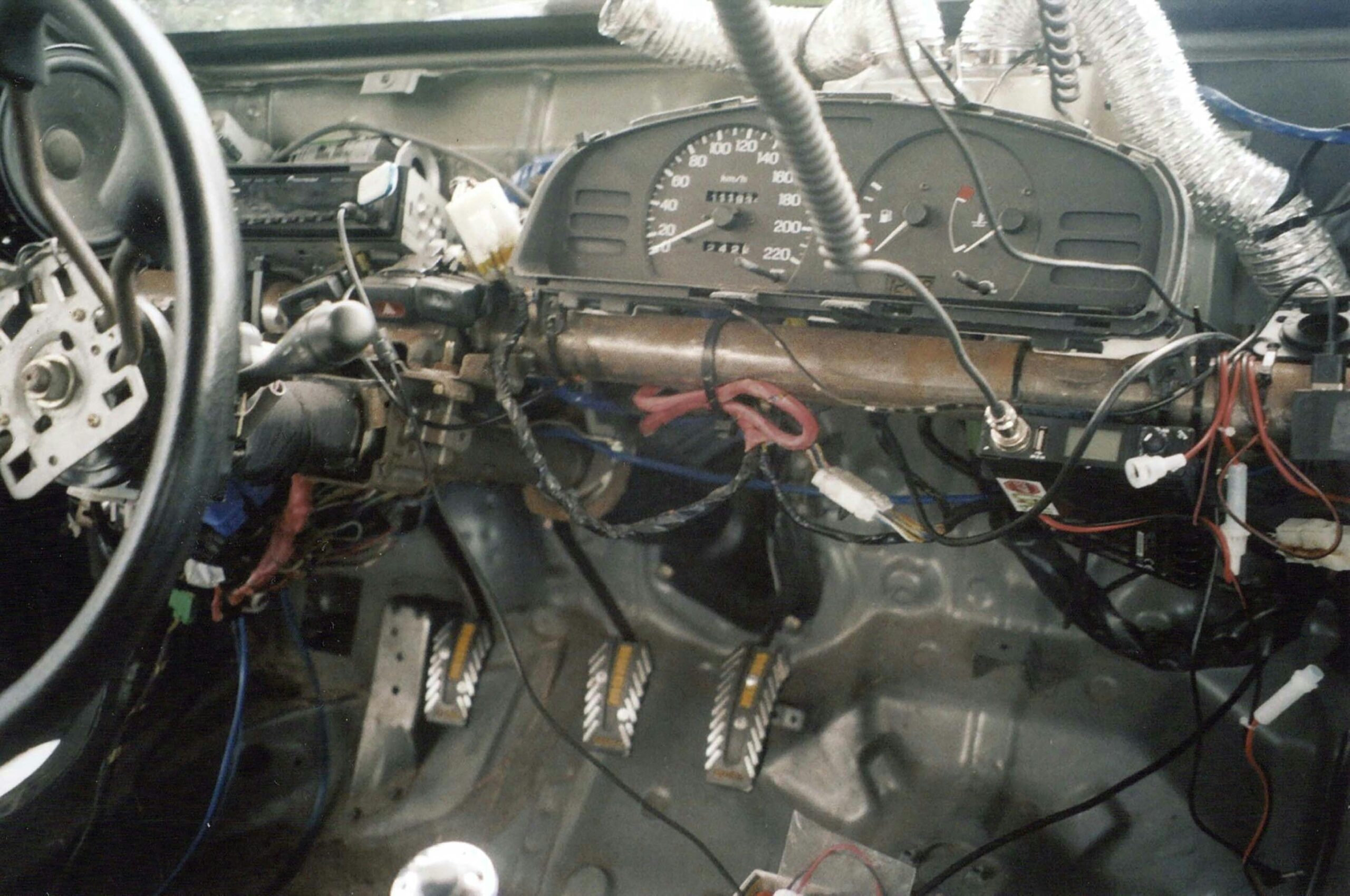
When vehicles reach end-of-life, responsible disposal becomes both an environmental obligation and a financial opportunity. Simply abandoning old vehicles wastes value and harms the environment.
Professional auto recyclers have transformed vehicle disposal into sophisticated operations that maximise value recovery. They extract usable parts, recycle materials responsibly, and handle hazardous substances properly.
For vehicle owners in the Manawatu-Wanganui region, auto wreckers Palmerston North services offer convenient solutions that put cash in your pocket while ensuring eco-friendly disposal. These professionals handle everything from valuation to removal, making the process hassle-free.
The environmental benefits of proper vehicle recycling extend far beyond keeping cars out of landfills. Recycled metals reduce mining demands, recovered parts extend other vehicles’ lives, and proper fluid disposal protects waterways.
Cash payments for end-of-life vehicles often surprise owners who assumed their old cars were worthless. Even heavily damaged or non-running vehicles contain valuable materials and components.
The Circular Economy of Vehicle Parts
Recycled vehicle parts play increasingly important roles in keeping other vehicles operational affordably. Quality used parts cost fractions of new component prices while delivering comparable performance.
Auto recyclers carefully test and certify salvaged parts before offering them for sale. This quality control ensures buyers receive reliable components backed by appropriate guarantees.
Choosing recycled parts over new manufacturing reduces environmental impact significantly. Every reused component represents resources that didn’t need to be extracted and processed again.For older vehicles, especially, recycled parts may be the only practical option when new components are no longer manufactured. Wreckers maintain inventories that keep classic and discontinued models on the road.
Expanding Your Fleet with Motorcycles

Many businesses are discovering the advantages of adding motorcycles to their vehicle mix. Couriers, delivery services, and urban operations benefit significantly from two-wheeled mobility.
Motorcycles navigate congested city streets far more efficiently than cars or trucks. They cost less to purchase, insure, maintain, and fuel while often completing deliveries faster.
However, adding motorcycles to your fleet requires proper attention to licensing and training. Riders must hold appropriate licences before operating motorcycles for business purposes.
In New Zealand, riders progress through a graduated licensing system designed to build skills safely. Completing the motorcycle restricted licence test represents a crucial step in this progression toward full licensing.
Investing in proper rider training reduces accident rates and insurance costs significantly. Well-trained riders also treat their machines better, extending service life and reducing maintenance expenses.
Consider the liability implications of motorcycle operations carefully before expanding in this direction. Proper licensing, training, and insurance protect both riders and your business from serious consequences.
Fleet Management Best Practices
Businesses managing multiple vehicles face amplified versions of individual ownership challenges. Systematic approaches to fleet management deliver compounding benefits across all assets.
Standardise vehicle specifications where practical to simplify maintenance, training, and parts inventory. Diversity has costs that aren’t always obvious until you’re managing varied equipment.
Implement technology solutions that track vehicle locations, usage patterns, and maintenance needs automatically. Modern telematics systems provide insights that manual tracking cannot match.
Train drivers in techniques that extend vehicle life and reduce operating costs. Smooth driving habits reduce wear on every system while improving fuel efficiency.
Establish relationships with rental providers who can supplement your fleet during peak demands. Having reliable partners ready means never turning down work due to equipment shortages.
Planning for the Future
Vehicle needs evolve as businesses and personal circumstances change. Regular reassessment ensures your approach remains optimal rather than simply habitual.
Review your vehicle strategy at least annually, considering changes in usage patterns, available options, and financial circumstances. What made sense last year may not be ideal today.
Stay informed about industry developments, including new vehicle technologies, rental options, and disposal regulations. The landscape continues evolving, and outdated approaches become increasingly costly.
Build flexibility into your vehicle management approach wherever possible. Circumstances change unexpectedly, and rigid commitments can become expensive constraints.
Conclusion
Smart vehicle management spans the entire lifecycle from initial acquisition through eventual disposal. Each stage offers opportunities to maximise value and minimise costs through informed decision-making.
Consider rental options for specialised or fluctuating vehicle needs rather than defaulting to purchase. Protect your investments through professional paint protection and diligent maintenance programs.
When vehicles reach end-of-life, responsible recycling recovers value while protecting the environment. Professional auto recyclers transform what seems like worthless scrap into cash and reusable resources.
The choices you make throughout your vehicles’ lifecycles compound over time. Smart decisions at each stage build toward significant savings and better outcomes than reactive, haphazard management ever achieves.