
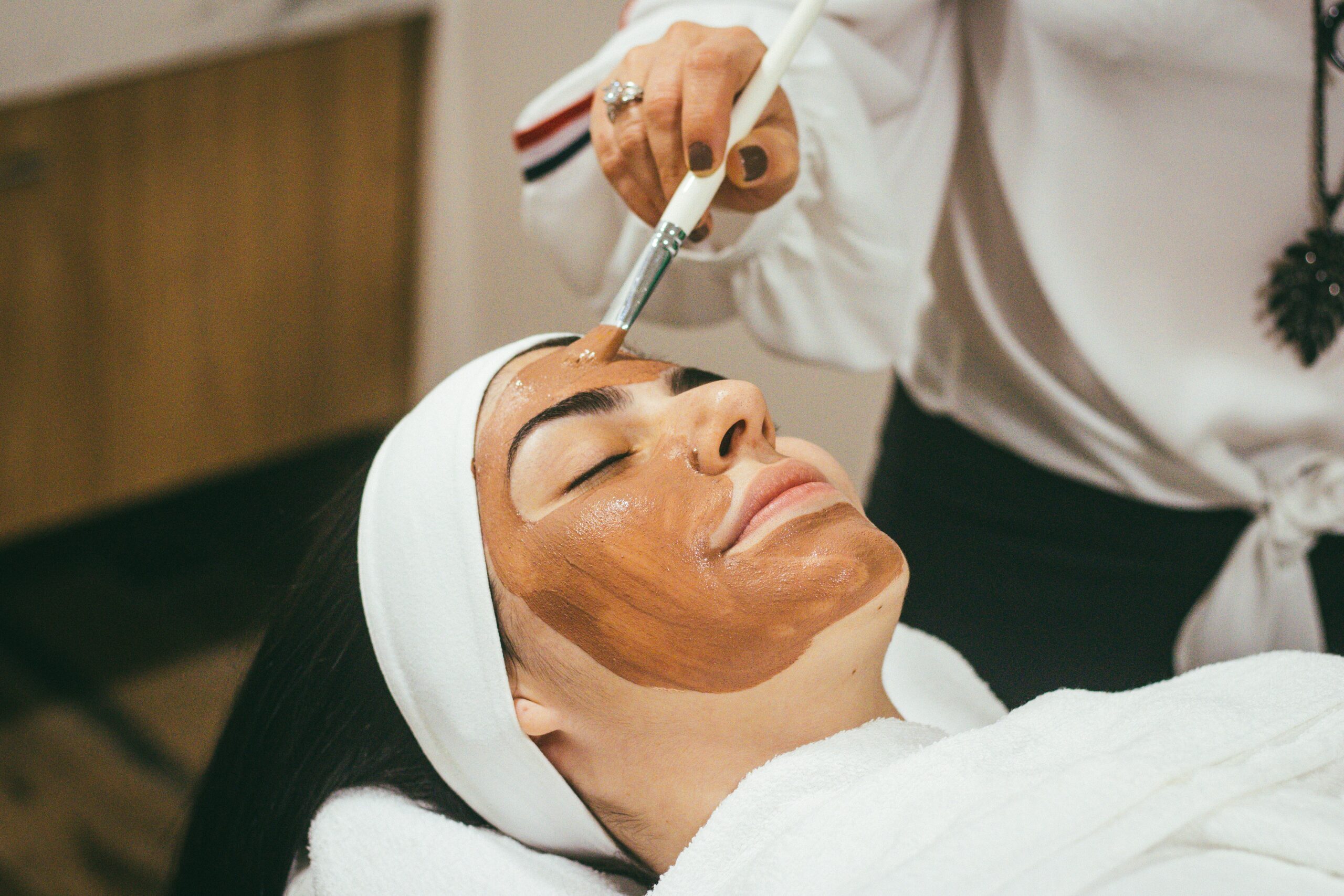
Minimally invasive procedures now account for over half of all cosmetic treatments globally, meeting a direct demand for zero-downtime options. The aesthetic market relies on efficiency just as much as clinical results. Modern professional and personal schedules leave almost no room for long recovery periods.
Fast, effective procedures are now a standard expectation for most clinic visitors. Patients actively choose treatments they can fit into a normal day without taking time off work or dealing with visible swelling.
In this guide, we’ll discuss how the beauty industry adapts to these daily routines, which treatments offer the most convenience, and why fast-paced care remains the new standard.
Why Busy Lifestyles Change the Beauty Industry?
Modern professionals work an average of 40 to 50 hours a week, leaving minimal free time for lengthy cosmetic recovery periods. The beauty industry must adapt to this reality to remain profitable and relevant.
Traditional surgical procedures often require weeks of downtime, which directly conflicts with demanding modern schedules. Clinics now focus on developing and promoting services that fit into a standard lunch break.
The shift represents a fundamental change in how the aesthetic market operates, moving away from major surgical overhauls toward quick, efficient enhancements that allow patients to return to their daily routines immediately.
The Shift Toward Low-Disruption Beauty Treatments
Over 60% of new aesthetic patients request treatments that leave no visible marks immediately after the appointment. Low-disruption procedures prioritize speed and subtle results over dramatic, instant transformations. When preparing for ultrasound-based tightening, hifu facelift preparation involves zero downtime or lifestyle changes, allowing patients to head straight back to work without explaining redness or swelling to coworkers.
The options include quick neurotoxin injections, mild chemical peels, and non-ablative laser therapies. Patients prefer these methods because they eliminate the need to explain bruising or swelling to coworkers and family members.
By minimizing physical trauma to the skin, these advanced techniques deliver noticeable improvements without forcing a pause in daily activities. This evolution makes professional aesthetics accessible to a much broader demographic of busy individuals.
Why Convenience No Longer Feels Like a Luxury
In the past, fast-tracking a cosmetic procedure cost a premium and was strictly for an elite clientele. Today, speed and accessibility represent the baseline standard for aesthetic care. Modern consumers expect online booking systems, transparent pricing, and treatments that conclude in under an hour.
Clinics that fail to offer this level of efficiency quickly lose market share to more adaptable competitors. Convenience serves as a core requirement for individuals managing demanding careers and family responsibilities. Patients refuse to compromise their daily obligations for beauty maintenance, making swift, zero-downtime procedures a mandatory offering for any successful modern practice.
The Treatments That Continue to Gain Attention
Non-surgical cosmetic procedures experienced a 40% increase in demand over the last five years. Busy schedules drive this growth as patients seek out options that deliver noticeable results without a hospital stay.
The most requested services share common traits: they take less than forty-five minutes to perform, require minimal post-treatment care, and carry very low risks of complications. Clinics see a steady influx of bookings for these procedures because they integrate seamlessly into modern daily life.
Injectables Remain a Popular Choice for Time-Conscious Clients
Neurotoxin injections and facial volume restorers account for over 4 million procedures annually. These treatments take as little as fifteen minutes to administer, making them the ultimate lunchtime procedure.
Time-conscious clients choose injectables because they provide immediate volume restoration or wrinkle reduction without any mandatory rest period. A patient can leave the clinic and immediately return to the office or attend a social event. This efficiency keeps injectables at the top of the request list for individuals who want quick, reliable aesthetic improvements.
Many people who want to address fine lines look for professional options in their local area. Finding a trusted clinic is important for getting safe and natural results. Therefore, scheduling an anti wrinkle treatment brisbane (or elsewhere) is a common way to refresh their appearance. These quick sessions target specific facial muscles to soften expression lines. This helps patients maintain a relaxed and youthful look without any downtime.
Skin-Refresh Options Fit Clients Who Prefer Gradual Change
Non-ablative skin resurfacing and superficial chemical peels are currently experiencing significant year-over-year growth in clinic bookings. Not every patient wants an immediate, dramatic alteration.
Many individuals prefer subtle enhancements that develop over several weeks. Skin-refresh options stimulate the body’s natural collagen production, gradually improving texture and tone. The minimal recovery time associated with these procedures makes them easy to schedule regularly. Something like a rejuran healer skin booster can also very much help.
Finding the right provider for these subtle changes is a common next step for many people. Many patients start their search by looking for “advanced medical aesthetic treatments near me” to find local clinics with good reviews. Local clinics usually set up personalized consultations to assess skin quality before they recommend a specific plan. This step helps patients understand what to expect during and after the session. It also makes sure that the selected treatments match the patient’s long-term skin goals.
Preventive Treatments Appeal to Younger Adults
Patients under the age of 34 now represent nearly 20% of all medical aesthetic appointments. Younger adults focus heavily on maintaining their current skin health rather than trying to reverse signs of advanced aging later.
Preventive treatments, such as low-dose neurotoxins or light laser therapy, stop dynamic wrinkles from setting in permanently. This proactive approach requires smaller doses and less frequent visits, fitting perfectly into the budget and schedule of a younger demographic. Clinics recognize this shift and now design fast, maintenance-focused services specifically for this age group.
What Modern Clients Value Before They Book
Prospective patients always research a clinic’s online reputation before scheduling an appointment. Modern clients value transparency in pricing and clear expectations regarding treatment outcomes. They look for comprehensive digital portfolios featuring unedited before-and-after photos of previous procedures.
Online booking capabilities also play a significant role, as busy individuals prefer scheduling appointments through an app or website rather than calling a receptionist during working hours.
Clinics that offer upfront information, verified patient reviews, and streamlined communication secure higher booking rates by eliminating guesswork and catering directly to consumers’ need for fast, reliable data.
How Clinics and Providers Adapt to New Expectations
Aesthetic practices constantly refine their operations to handle the increasing volume of quick-turnaround appointments. Providers streamline their consultation processes and utilize digital intake forms to save time upon arrival.
To meet growing patient demand efficiently, clinics rely on trusted sourcing and steady access to premium products. Purchasing materials like wholesale dermal fillers allows practices to maintain strict consistency in their treatment offerings without facing unexpected inventory shortages.
Having a reliable supply chain ensures that medical staff can perform back-to-back procedures seamlessly, maintaining profitability while meeting modern consumer expectations.
Why This Trend Is Likely to Stay
The preference for low-disruption treatments represents a permanent shift in aesthetic medicine, not a temporary phase. Advancements in medical technology continue to produce safer, faster, and more effective non-surgical options every year.
As product formulations become more refined, the recovery time associated with these treatments will shrink even further. The market heavily rewards convenience and predictability. Clinics will continue to expand their quick-service menus as modern lifestyles become increasingly demanding, solidifying the enduring need for accessible, efficient beauty maintenance.
Conclusion
Modern aesthetics prioritize time just as much as clinical outcomes. The demand for quick, zero-downtime procedures reflects a broader societal need for efficiency over lengthy recovery periods. Clinics that adapt to these fast-paced expectations easily secure a loyal patient base.
Building a practice around reliable product sourcing and accessible services ensures steady business growth in a highly competitive market. Beauty maintenance no longer requires pausing daily life, and the industry continues to evolve rapidly to meet this modern standard.