
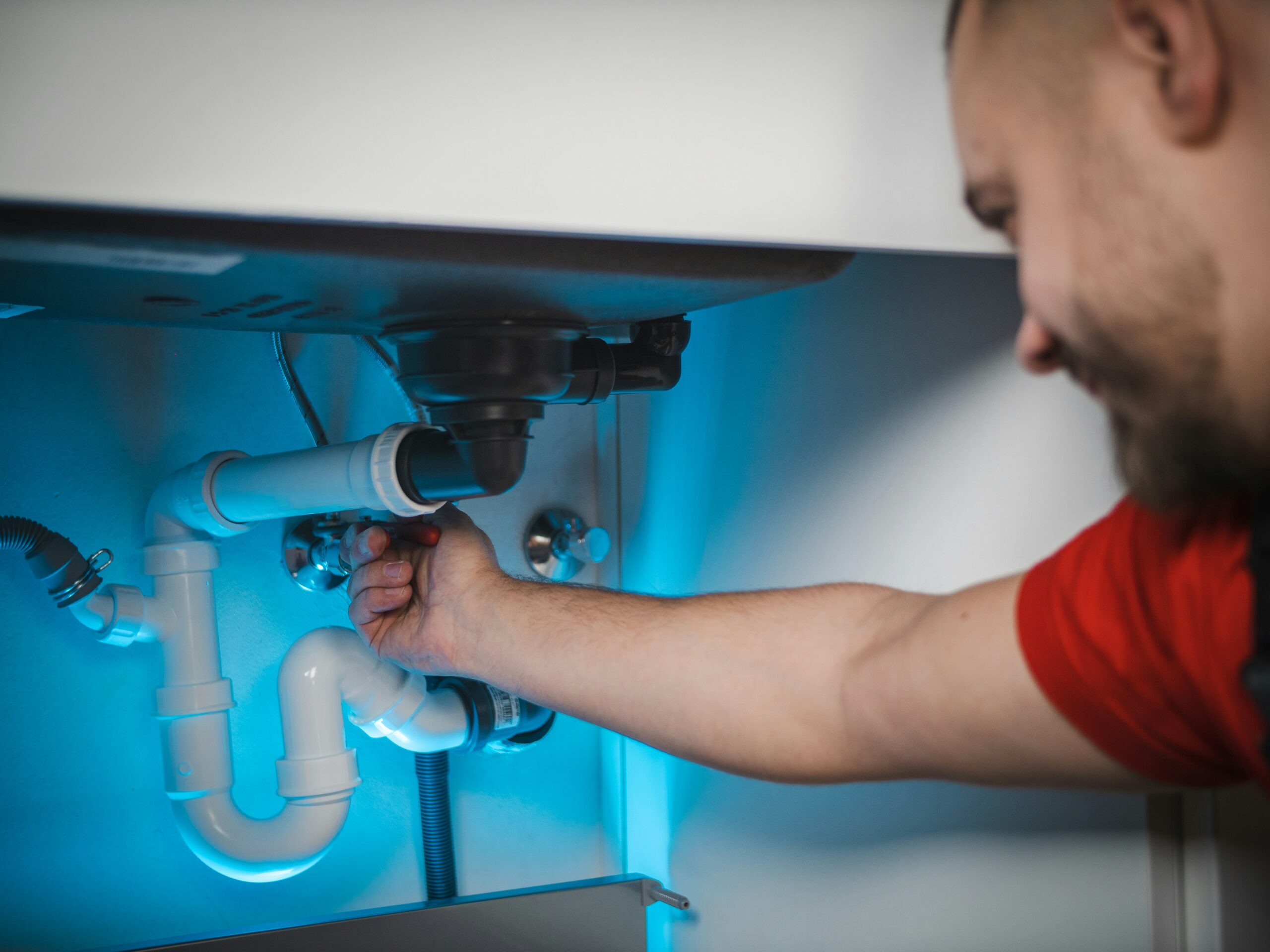
Nothing is overflowing. The shower still gets hot. The toilet flushes. The kitchen sink empties eventually. And yet something about the plumbing does not seem quite right.
Maybe the shower pressure feels weaker than it did six months ago. The bathroom sink makes a gurgling sound after the water disappears. The kitchen drain has needed plunging twice this month. There is a faint musty smell inside a cabinet that was never there before.
Individually, these changes are easy to dismiss. Homes make noises. Drains occasionally run slowly. Faucets drip. But plumbing problems do not always announce themselves with a burst pipe or water pouring through the ceiling. Many develop gradually, producing small changes long before they become obvious emergencies.
Most of the guidance below applies broadly to U.S. homes. Where local rules or responsibilities matter, San Francisco and California guidance is identified specifically. The useful question is not, “Is something definitely broken?” It is, “Has something changed, and does it keep happening?”
Plumbing Problems Rarely Begin With a Dramatic Flood
A major leak gets attention immediately. A slightly slower drain usually does not. That difference is one reason plumbing problems can develop unnoticed. Homeowners naturally respond to failures, while small changes often become part of the background.
Small Changes Can Be the First Clue
A plumbing system is interconnected. Supply pipes bring water into the home, fixtures control its use, drains carry wastewater away, vents help drainage function properly, and the sewer lateral eventually connects the building to the public sewer system. A change somewhere in that chain can sometimes show up somewhere else.
That does not mean every noise or slow drain indicates a serious problem. A bathroom sink, for example, can drain slowly simply because hair and soap have accumulated near the stopper. Low flow from one faucet may result from debris in its aerator. What matters is the pattern. A problem that disappears after a simple cleaning is different from one that returns every few weeks.
Notice Changes, Not Just Failures
Knowing what is normal for your home gives you a useful baseline. If a shower has always had modest pressure, that may simply be how the system performs. If its pressure suddenly drops while other fixtures also begin behaving differently, the change deserves more attention.
The same principle applies to drainage speed, unusual sounds, odors, moisture, and water usage. You do not need to inspect your plumbing every day. Notice when the house stops behaving the way it normally does.
One Slow Drain and Several Slow Drains Tell Different Stories
A slow drain is among the most common household plumbing frustrations, but its location can provide useful context.
When the Problem May Be Close to the Fixture
If only one bathroom sink is draining slowly, a localized blockage is a reasonable place to start. Hair, soap residue, toothpaste, food particles, grease, and other material can accumulate inside traps and nearby drain lines. Some of these problems can be addressed with basic cleaning without assuming that anything is wrong with the larger plumbing system.
Watch what happens afterward. If normal drainage returns and remains normal, the problem may have been limited to that fixture. If the same drain repeatedly slows down despite being cleared, it may be worth investigating why the blockage keeps returning rather than treating each occurrence as an unrelated clog.
When Several Fixtures Start Acting Differently
Multiple slow fixtures deserve a different level of attention. If the kitchen sink, bathtub, and toilet begin draining poorly around the same time, the individual fixtures are unlikely to have independently developed identical problems. The restriction may be farther along the drainage system.
Avoid diagnosing the exact cause from symptoms alone. Accumulated material, problems within a branch line, sewer-lateral issues, or other drainage conditions can produce overlapping symptoms. When several fixtures are affected, determining where the restriction is located becomes more useful than repeatedly clearing each fixture individually.
Listen to What Happens After the Water Goes Down
Plumbing makes some noise during normal operation. Water moves through pipes. Toilets refill. Pipes expand and contract as temperatures change. New or repeated sounds are more informative than occasional ones.
What Gurgling Can Tell You
You may hear bubbling from a toilet after another fixture drains or a gurgling sound from a sink after water disappears. Drainage depends partly on air moving through the plumbing system as wastewater travels through the pipes. Restrictions or venting problems can sometimes affect that movement and create unusual sounds.
A single glug is not enough to diagnose a plumbing defect. Repeated gurgling, especially when paired with slow drainage or changes in more than one fixture, gives you more reason to investigate.
Pay Attention to Which Fixtures Affect Each Other
Sometimes the useful clue is not the noise itself but what was happening when you heard it.
Does the toilet bubble when the washing machine drains?
Does one sink gurgle when another fixture is used?
Does the bathtub drain become sluggish immediately after heavy water use elsewhere?
Those relationships can help a plumber narrow down where a drainage problem may be occurring.
Your Water Pressure Should Not Have a Mood of Its Own
Water pressure often becomes noticeable only when it changes. A shower that suddenly feels weak or a faucet that takes longer to fill a pot can make everyday tasks surprisingly frustrating.
When Only One Fixture Has Low Flow
Start small. A faucet aerator can collect mineral deposits or debris. A showerhead can become partially restricted. A valve may not be fully open.
If only one fixture is affected, checking that fixture before assuming there is a whole-house problem makes sense.
When the Change Happens Throughout the House
If several fixtures suddenly have weaker flow, the issue may extend beyond an individual faucet or showerhead. The cause cannot reliably be identified from pressure symptoms alone. Supply-line restrictions, valves, pressure-regulating equipment, leaks, utility conditions, and other factors can influence water delivery.
This is where avoiding guesswork becomes valuable. Replacing a faucet will not solve a problem occurring farther upstream.
The Leak You Cannot See May Still Leave Evidence
The easiest leak to find is water dripping directly in front of you. Hidden leaks are different. Water may travel behind a wall, beneath flooring, inside cabinets, or through other concealed areas before producing a visible sign.
Look Beyond the Obvious Drip
Possible clues can include:
● staining on walls or ceilings
● swollen cabinet materials
● peeling paint or damaged finishes
● persistent dampness
● unexplained musty odors
● moisture beneath sinks
● recurring wet areas
● water use that no longer matches household habits
None of these clues proves that a hidden plumbing leak exists. Condensation, roofing problems, appliance leaks, exterior water intrusion, and other issues can sometimes produce similar signs. That is why locating the source matters more than assuming where the water came from.
Your Water Usage Can Provide Another Clue
Water-meter data can sometimes reveal problems that have not yet produced visible damage. According to the San Francisco Public Utilities Commission’s “Leak Alerts: Find and Fix Leaks” guidance, qualifying small residential and irrigation accounts may receive alerts after 48 hours of continuous water use at 7.5 gallons per hour or more. The program uses continuous-use patterns because homes normally have periods when little or no water is being used.
Homeowners with access to detailed water-use information can apply the same principle themselves: compare unusual consumption with normal household routines. If water use continues during periods when no fixtures, appliances, or irrigation should be operating, that is worth investigating.
The U.S. Environmental Protection Agency’s WaterSense program estimates that roughly 5% to 10% of U.S. homes have relatively easy-to-fix leaks wasting 90 gallons or more per day.
Older Homes Can Hide Several Generations of Plumbing
Walk into an older house with a newly renovated kitchen, and everything may look modern. The pipes behind the finishes may tell a more complicated story.
A New Bathroom Does Not Automatically Mean New Pipes
Renovations are often selective.
A previous homeowner may have replaced fixtures without replacing supply pipes. Another renovation may have updated one section of drainage while leaving older material elsewhere. Repairs performed over decades can leave a property with multiple generations of plumbing components.
That does not automatically make the system defective. It simply means appearances provide limited information about what exists behind the walls. In cities with substantial older housing stock, including San Francisco, knowing the history of repairs and upgrades can be especially useful.
Repeated Repairs Can Reveal a Larger Pattern
A single pipe repair may solve a genuinely isolated problem. Several repairs involving the same aging section of a system can raise a different question: are you still dealing with separate failures, or are the failures symptoms of a broader condition?
The answer depends on the property. A good evaluation should consider pipe material, condition, location, repair history, accessibility, and the actual evidence available rather than recommending large-scale replacement simply because a house is old.
Recurring Clogs Deserve More Attention Than a Single Clog
Everyone gets an occasional clogged drain. The concern changes when clearing it becomes part of the household routine.
Clearing the Clog Is Not the Same as Finding the Cause
Restoring water flow answers one question: can water move through the pipe again?
It may not answer another: why did the pipe become restricted in the first place?
If a drain works normally for a long time after being cleared, there may be little reason for concern. If it slows again days or weeks later, examining the line can be more useful than repeatedly treating the symptom.
Do Not Keep Sending More Material Down the Drain
What goes into household drains matters. In its “How to Take Care of Your Sewer Lateral” guidance, the SFPUC advises San Francisco property owners not to pour fats, oils, and grease down drains and not to flush inappropriate waste because those materials can contribute to lateral problems.
Be cautious with repeated use of chemical drain cleaners as well. The correct response to a recurring clog depends on the pipe material, the nature and location of the blockage, and the condition of the drainage system.
Sometimes mechanical cleaning is appropriate. In other situations, a homeowner who needs help with plumbing in San Rafael may benefit from a camera inspection or another diagnostic approach before further work is performed.
The Problem May Continue Beyond the Walls of the House
Homeowners naturally think of plumbing as everything beneath sinks and behind walls. But wastewater still has to travel from the building to the public sewer. That connection matters.
Understand the Sewer Lateral
A sewer lateral carries wastewater from a building’s plumbing system toward the public sewer main. Responsibility varies by jurisdiction, so homeowners should check their local requirements rather than assuming the city maintains everything outside the building.
San Francisco has particularly clear guidance. In its “How to Take Care of Your Sewer Lateral” guidance, the SFPUC states that the property owner owns the entire sewer lateral and is responsible for maintaining and inspecting it.
The owner is responsible for repairing or replacing the upper lateral when needed. If a plumber or contractor identifies a lower-lateral problem that cannot be corrected through maintenance, the owner should contact 311 for SFPUC inspection; under most circumstances, SFPUC performs necessary lower-lateral repair or replacement after that inspection.
Maintenance Matters Even When Nothing Is Backing Up
You do not necessarily need to wait for sewage to appear in a basement or shower before thinking about the lateral. The same SFPUC guidance recommends that San Francisco property owners have a licensed plumber or contractor proactively inspect the lateral at least once every five years.
That recommendation is particularly useful because sewer problems can develop outside the visible living area of the house. An inspection does not mean something must be replaced. Its purpose is to understand the condition first.
Know Which Plumbing Jobs Make Sense as DIY Projects
Homeowners can—and should—handle some basic plumbing observations themselves. The challenge is recognizing the point where a simple check becomes a diagnosis.
Start With Low-Risk Checks
Depending on the problem, sensible homeowner steps may include:
● cleaning a faucet aerator
● checking beneath sinks for moisture
● watching whether a toilet continues running
● removing accessible debris from a drain stopper
● checking whether a fixture’s shutoff valve is positioned correctly
● looking at water-use information for unexplained consumption
● learning where the main water shutoff is located
These observations can also give a professional better information if further investigation becomes necessary.
Stop When the Repair Requires Guessing
Taking apart hidden piping because you think you know where a problem is located can turn an uncertain issue into water damage. The same applies to cutting into walls, working on gas-fired water-heating equipment, modifying fixed plumbing systems, or performing work that may require permits.
A homeowner’s goal should not be to prove that every repair can be done without professional help. It should be to identify what can be checked safely and know when the consequences of guessing become too high.
For California projects requiring a licensed contractor, the Contractors State License Board’s official “Check a License” service allows homeowners to verify a contractor’s current license information before hiring.
For San Francisco sewer-lateral work, SFPUC also directs property owners to contact the Department of Building Inspection to verify whether a permit is required before repair or replacement work proceeds.
A Good Plumbing Inspection Should Answer “Why,” Not Just “Where”
Finding the wet spot or clogged fixture is useful. Understanding why it happened is better.
Different Problems Require Different Diagnostic Tools
Depending on the symptoms, plumbers may use visual inspection, pressure testing, moisture measurement, sewer cameras, or other diagnostic methods. The tool should follow the problem.
There is little value in using sophisticated equipment when a basic fixture inspection has already revealed the cause. Likewise, repeatedly clearing a line without inspecting it may provide limited information if the blockage keeps returning.
Diagnosis Can Prevent Repairs That Do Not Address the Problem
Suppose a wall shows moisture near a bathroom. Replacing a nearby faucet because it is the closest visible plumbing fixture would be an assumption. The moisture could come from a supply connection, drain line, shower assembly, appliance, exterior leak, or another source altogether.
Good troubleshooting moves from evidence to repair—not from repair to evidence. That distinction is especially valuable when the suspected problem is hidden and accessing it may require opening walls or floors.
Some Plumbing Symptoms Should Not Wait
Not every unusual sound requires an urgent service call. Other conditions deserve much faster action.
Act Quickly When Water Is Causing Damage
If water is actively escaping and you can safely shut off the appropriate fixture valve or main water supply, stopping the flow can help limit damage while professional help is arranged.
Situations that can justify prompt attention include uncontrolled leaking, rapidly spreading water, wastewater backing into the home, significant loss of water service, or conditions involving water near electrical equipment.
Keep safety ahead of property protection. If water is interacting with electricity or another immediate hazard, avoid entering the affected area and contact the appropriate emergency or utility service.
Sewage Backups Require Special Care
Wastewater is not simply dirty water. Avoid direct contact with sewage and keep children and pets away from affected areas. Significant backups may require both plumbing correction and appropriate cleanup because resolving the blockage does not automatically make contaminated materials safe.
For San Francisco properties experiencing a suspected sewer-lateral issue, SFPUC’s “How to Take Care of Your Sewer Lateral” guidance directs owners to have a licensed plumber or contractor inspect the lateral. If that inspection identifies a lower-lateral problem that may require repair or replacement, the owner should contact 311 so SFPUC can inspect the lower lateral and determine the next step.
The Best Time to Understand Your Plumbing Is Before It Becomes an Emergency
A home does not need perfectly silent pipes, instant drains, or identical water pressure at every fixture. It does need a baseline. Learn what normal looks and sounds like in your house. Notice how quickly frequently used drains empty, pay attention to ordinary water pressure, and occasionally look inside the cabinet beneath the kitchen sink.
Most importantly, notice changes that recur or affect more than one fixture. Those patterns are often more informative than a single isolated noise, clog, or pressure change.
Good home maintenance is rarely about reacting to every imperfection. It is about recognizing when a small change stops being random. So when the sink still drains, and the shower still works but the plumbing somehow feels different, you do not need to assume the worst.
You should simply pay attention. Sometimes that small change is nothing more than a fixture that needs cleaning. Sometimes it is the first clue that something farther inside the system deserves a closer look. Finding out which one you are dealing with is usually easier before the water reaches the floor.