
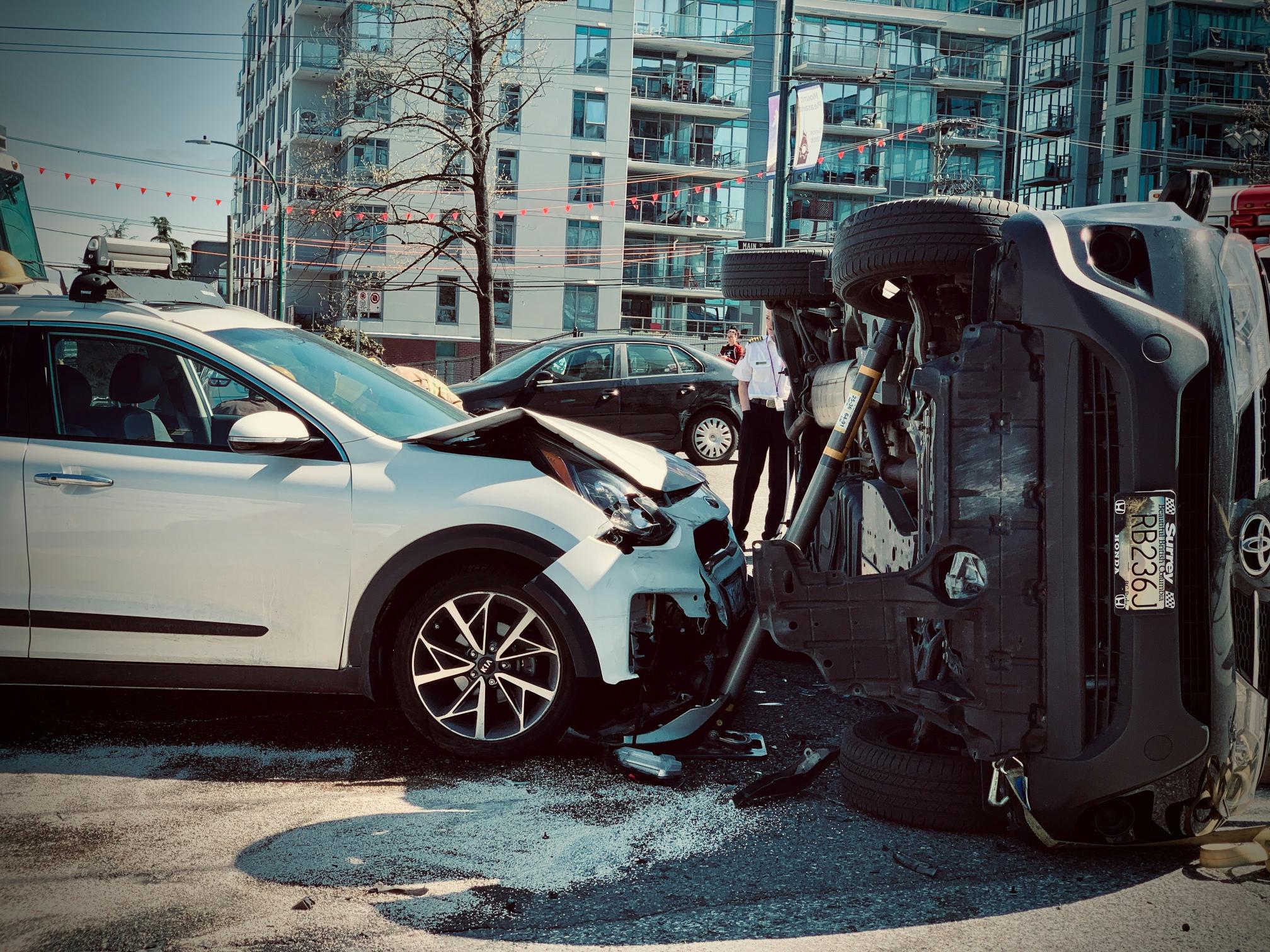
Most people think about car crashes like a sports game. One driver wins, one driver loses, and the loser always pays. It’s a simple, satisfying way to look at things. Unfortunately, real collisions rarely play out that neatly.
Picture a driver who runs a yellow light while another driver is going a little too fast. Or someone who changes lanes without signaling while the car behind is glancing at a phone. Both made mistakes, and both helped cause the crash.
In situations like these, fault often gets split instead of assigned to just one person. That’s exactly why the question of what happens if you are at fault in a car accident rarely has a simple answer. The real answer usually involves percentages, insurance rules, and some surprising legal math.
Why Fault Isn’t Always Divided Into Winners and Losers
New York has long followed a pure comparative negligence rule. Instead of declaring one driver completely at fault, responsibility can be divided by percentage. One driver might be 70 percent responsible while the other is 30 percent responsible. It’s rarely all or nothing.
Under that general rule, an injured person’s own share of fault reduces what they can recover, but doesn’t automatically wipe out the claim. Even someone who was mostly responsible could still recover a reduced amount from the other driver.
There’s a newer twist for car crashes, though. A 2026 change to New York law created an exception for many motor vehicle injury lawsuits filed on or after May 26, 2026. In those cases, someone found more at fault than the other side may be barred from recovering.
How Percentages Can Change the Value of a Claim
Here’s a simple example to make it concrete. Imagine an injured driver has $100,000 in damages and is found 20 percent at fault. Under comparative negligence, their recovery would be reduced by 20 percent, leaving $80,000 from the other driver. That’s simple math.
Now change the numbers slightly. If that same driver is found 40 percent at fault, the recovery drops to $60,000. Every percentage point matters, which is why fault arguments can become intense during negotiations and trials. Lawyers fight hard over a few points.
The newer rule raises the stakes even further for many car crash lawsuits. If a covered claimant is found 51 percent at fault and the other driver 49 percent, they may recover nothing at all. That makes evidence about fault more important than ever.
Why Insurance Doesn’t Always Follow the Same Rules as a Lawsuit
New York is a no-fault insurance state. That means after most car crashes, each person’s own auto insurance pays certain basic benefits, like medical expenses, a portion of lost wages, and some other costs, regardless of who caused the crash. Fault questions come later.
Those no-fault benefits generally cover up to $50,000 in basic economic losses. They’re designed to get people help more quickly without arguing about blame first. But they definitely don’t cover everything, especially pain and suffering or larger financial losses. That’s the trade-off.
To step outside the no-fault system and sue another driver for those damages, an injured person generally must meet New York’s serious injury threshold or have economic losses beyond no-fault limits. Liability insurance then becomes important, because it covers claims against an at-fault driver.
What Happens When Both Drivers Share Responsibility
When both drivers made mistakes, figuring out the percentages takes solid evidence. Police reports, photos of vehicle damage, debris, skid marks, and the final positions of the cars can all help show how the crash unfolded and who did what. Every detail counts.
Witness statements and video can be especially powerful. A bystander who saw one driver speeding, or dashcam footage showing a car drifting into another lane, can shift fault percentages significantly. Traffic laws also matter, since violating them can support a finding of negligence.
Insurance companies conduct their own detailed investigations too. Adjusters review statements, records, and damage reports to assign fault before settlement talks begin. Their conclusions aren’t always final or correct, and disputes over percentages can sometimes be resolved only through negotiation or a court decision.
Conclusion
Car crashes rarely fit into a simple, tidy winner and loser story. Real life is messier. Fault can be shared, and the percentages assigned to each driver can dramatically change how much compensation someone may recover after a collision.
New York’s comparative negligence rules, its recent change for many car crash lawsuits, and its no-fault insurance system all work together in ways that can surprise people. Being partly at fault doesn’t always end a claim, but it can reduce or sometimes bar recovery.
That’s why the details matter so much. Evidence, insurance coverage, the timing of a lawsuit, and the specific rules that apply can all affect the outcome. Anyone involved in a crash should get informed about how these rules work before assuming the financial picture is already settled.