
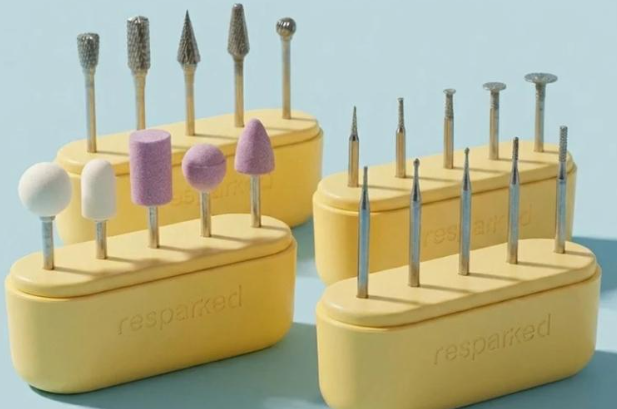
An engraving tool can feel intimidating the first time you pick one up. The right tool turns a blank surface into a keepsake, but the wrong one leaves you with shaky lines and a ruined project. Stone, metal, and glass all respond differently to pressure, speed, and bit choice, so a tool built for one surface can struggle on another. This guide breaks down what separates a dependable tool from a frustrating one, then compares five established options on the market.
What to Look for in an Engraving Tool
Speed control matters more than most beginners expect. A fixed speed forces you to work around the tool instead of the material, and that mismatch shows up fastest on glass and soft stone. Grip matters too. A textured, pen-style body reduces hand fatigue and helps you hold a steady line across curves.
- Speed Range: A wider range of adjustable speeds handles more materials without swapping tools.
- Bit Compatibility: Interchangeable bits let you switch between fine detail work and deeper carving.
- Runtime and Charging: A quick-charging battery and solid runtime keep longer projects moving.
- Stability in Hand: A balanced, textured grip reduces slipping and shaky lines on smooth surfaces.
Why Material Choice Changes Your Approach
Every surface asks something different of the person holding the tool. Metal tolerates more pressure and higher speeds, while glass demands a slower, deliberate touch to avoid cracking. Stone sits between the two, rewarding patience more than raw power.
Glass, in particular, rewards a mindset shift. As glass artist James Porter puts it, “Engraving is a slow conversation between the tool and the surface. You have to listen to the vibrations.” Lesley Pyke, a glass engraving expert, echoes that idea: “It is the play of light on the cut surface that brings the piece to life. Without light, the work remains silent.” Both point to the same lesson: technique and patience often matter more than horsepower.
Our Top Picks for Engraving Tools
1. Resparked Customizer Engraving Pen
The Resparked Customizer Engraving Pen is a cordless tool built around guided lessons and project kits, which makes it a practical starting point for beginners working on stone, metal, or glass.
Key Features:
- Battery-Operated Design: The cordless pen lets you work anywhere without a cord in your way.
- Adjustable Precision Bits: Multiple bit options handle everything from fine detail to deeper engraving.
- Guided Project Kits: Structured lessons walk you through your first projects step by step.
- Stable Grip Control: The pen-style body stays steady during longer sessions.
Best For:
Beginners and gift-givers who want a structured, low-pressure way to start engraving without prior experience.
Standout Quality:
More than 650,000 people currently use the Customizer Engraving Pen, and the brand holds an “Excellent” rating across roughly 2,493 reviews. That mix of hardware, tutorials, and kits sets it apart from standalone gadgets. Get the stone engraving collection from Resparked.
2. Dremel
Dremel built its reputation on rotary tools, and its engravers carry that durability into precision work. Corded and cordless models use a vibrating or spinning tip on wood, metal, glass, and stone.
Key Features:
- Variable Speed Dial: Speed ranges reach into the tens of thousands of RPM for different materials.
- Broad Accessory Ecosystem: A wide range of compatible bits and attachments adds flexibility.
- Adjustable Depth Settings: A stroke dial lets you move from fine lines to deeper grooves.
- Long-Standing Warranty Support: Several models carry a two-year warranty.
Best For:
Crafters who already own Dremel accessories or want one tool that handles engraving plus other rotary tasks.
3. xTool
xTool takes a different approach, using diode and fiber lasers instead of a handheld pen or rotary bit. Its desktop machines target hobbyists and small business owners who need repeatable results.
Key Features:
- High Engraving Speed: Some models reach speeds up to 4,000 millimeters per second.
- Fine Carving Precision: Movement accuracy down to roughly 0.01 millimeters supports detailed designs.
- Enclosed Safety Features: Flame detectors and limit switches add protection during longer runs.
- Software Control: Send files via Wi-Fi, USB, or dedicated design software.
Best For:
Makers who want laser-level precision for flat or lightly contoured projects.
4. Kentfaith (K&F Concept)
Kentfaith, sold under the K&F Concept name, has carved out space in the beginner-kit market with cordless pens packaged alongside a large set of accessories. The pens work right out of the box.
Key Features:
- Large Starter Kit: Many kits include 30+ bits, plus stencils for guided practice.
- Cordless Form Factor: The compact, battery-powered body resembles other boutique engraving pens.
- Battery and Speed Indicators: Lights on the handle show charge level and current speed.
- Simple One-Button Operation: A single control cycles through speed settings without extra dials.
Best For:
Budget-conscious beginners who want a complete kit with plenty of stencils included.
5. TACKLIFE
TACKLIFE positions its engraving pens as an affordable way to try the hobby before investing more. Its cordless models charge over USB and ship with a wide accessory set.
Key Features:
- Multiple Speed Settings: Several models offer three speed tiers to suit different materials.
- USB Rechargeable Battery: A charge typically supports around 90 minutes of continuous use.
- Large Accessory Bundle: Kits often include more than 30 bits for engraving, sanding, and finishing.
- Dual Collet Sizes: Two collet sizes accommodate different bit diameters.
Best For:
First-time buyers who want solid power at a lower price point before committing further.
Tips for Getting the Most from Your Engraving Tool
Practice on scrap material before you touch your actual project, especially with glass or polished stone. A few test passes reveal how the bit behaves on that surface. Let the tool do the work instead of pressing harder when a line looks faint, since excess pressure tends to crack glass and chip stone.
Clean your bits regularly, since dust buildup dulls even a sharp tip faster than expected, and keep spares on hand. Even experienced engravers wear through tips over time.
Final Thoughts
The right engraving tool comes down to matching its strengths to the materials you plan to work with. Speed control, bit compatibility, and grip stability matter more than flashy marketing claims. Start with a tool suited to your skill level, whether you are personalizing a gift or building a small side business. Test your technique on scrap material first, and let patience guide your hand as much as the tool itself.