
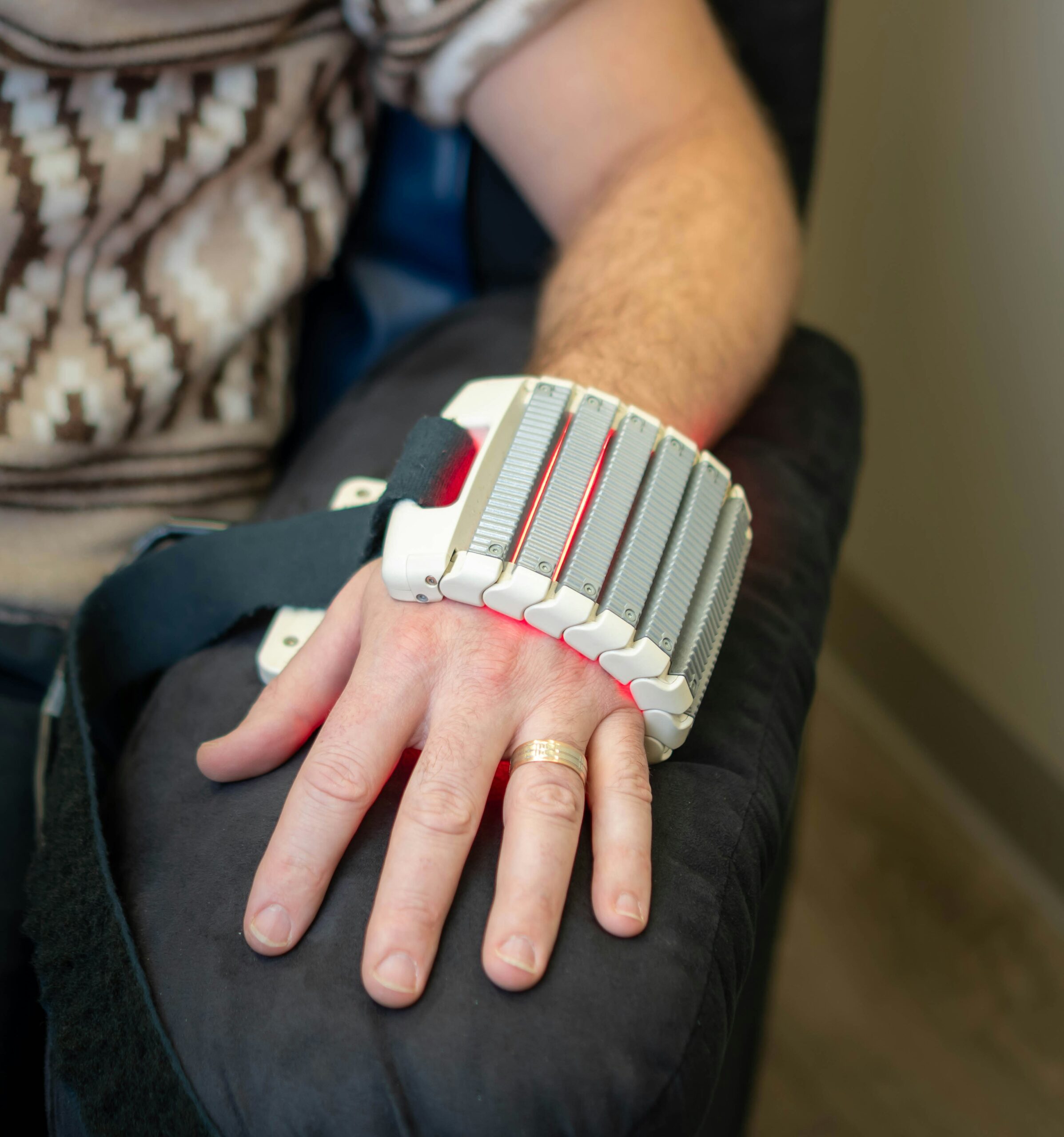
If you have been scrolling through wellness content lately, chances are you have come across red light therapy popping up more and more. It has gone from something you would only find in a fancy spa or sports clinic to something people are genuinely using at home, and one of the most popular formats right now is the red light therapy belt. So what actually is it, and is it worth the hype?
The Basics of Red Light Therapy
Red light therapy uses specific wavelengths of red and near-infrared light to work at a cellular level. The light penetrates the skin and is thought to stimulate the mitochondria, the energy-producing parts of your cells, to support repair and recovery processes. It sounds very technical but the practical reality is quite straightforward, you expose the area you want to treat to the light for a short session and let it do its thing.
Research into red light therapy has been going on for decades, with studies looking at its potential for skin health, wound healing and muscle recovery among other things. The evidence is strongest in the area of skin health and wound healing, with a growing body of research in muscle recovery and joint support too. As with anything in the wellness space, it is worth approaching with realistic expectations rather than treating it as a miracle cure, but the science behind it is more established than you might think.
So What Makes a Belt Different?
Most people picture red light therapy as standing in front of a large panel, but the belt format changes the whole dynamic. Rather than dedicating time to standing in front of a device, you wrap the belt around whatever area you want to target — your back, hips, stomach or wherever needs attention, and get on with your day. Sitting at your desk, watching television, having a cup of tea. It fits around real life in a way that a panel setup might not for everyone.
This makes it particularly practical for targeting the back and hips, which tend to be the areas that accumulate tension and stiffness for a lot of people, especially anyone sitting at a desk for long periods or parents who spend a lot of time lifting, carrying and generally contorting themselves through the day.
What Are People Using It For?
The most common reasons people reach for a red light therapy belt tend to fall into a few categories. Muscle recovery and general physical wellness are the most popular, with people using it after exercise or on days when their back and hips are feeling particularly stiff. Skin health is another, near-infrared wavelengths support collagen production, so the belt can also be used on areas of the body where skin rejuvenation is the goal. StreamShop Australia carries a solid range of options at different price points for anyone curious about exploring it.
There is also the simple appeal of having something non-invasive and low effort that you can incorporate without booking an appointment or leaving the house. No side effects, no downtime, no particular preparation required. You strap it on and get on with your evening.
Is It Worth Trying?
If you have been curious about red light therapy but put off by the idea of standing in front of a large panel or making clinic appointments, the belt format is genuinely one of the more practical entry points. It is not going to replace professional medical advice for anything serious, but as an accessible home wellness tool for everyday physical wellbeing, it is easy to see why more and more people are adding it to their routines.
Results with red light therapy tend to build over consistent use rather than appearing overnight, so patience and regularity matter more than intensity. Most people find sessions of 10 to 20 minutes several times a week to be the sweet spot, and the belt format makes that kind of consistency realistic even with a busy schedule.